Mar 31, 2022
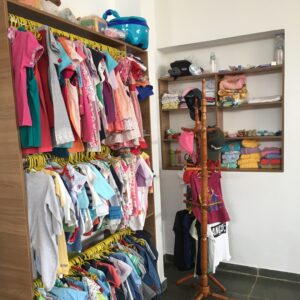
We were delighted to receive a recent update from the Daughters of Our Lady of the Sacred Heart in Brazil, where a second-hand clothing store is run by the Sisters at the Social Centre in Alfenas.
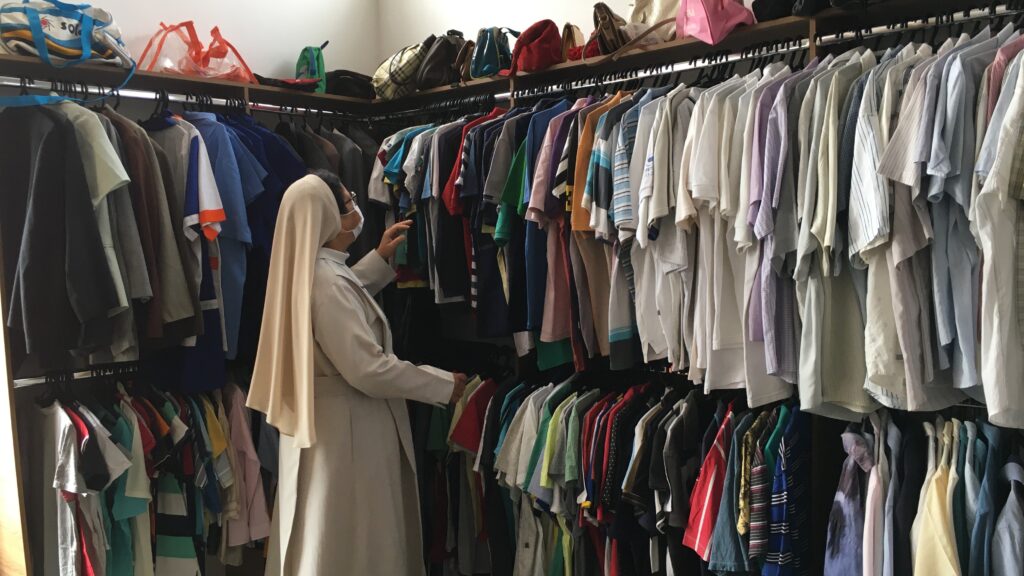
All money raised from sales in the store is used to buy food for the poor. Volunteers help to prepare the food supplies for poor families in the area, and each month, the OLSH Sisters distribute 65 food parcels to local families in real need of help and support.
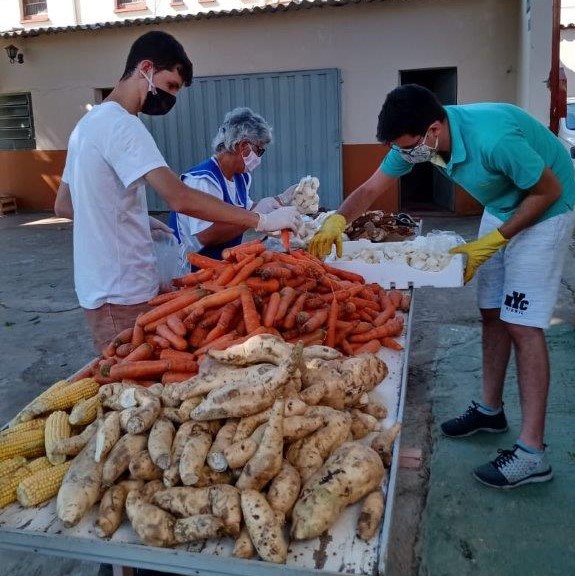
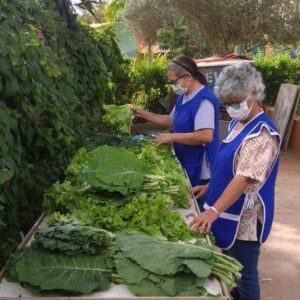
The Sisters are in the process of renovating the space in order to make it more practical, and also to promote a more appealing shopping experience with the aim of raising much-needed funds. New areas have been added to display the clothes and shoes for sale, and the Sisters continue in their work to feed and care for hungry families in the Alfenas region.

Our 2022 World Projects Appeal is continuing to raise funds for outreach programmes such as this one, run by the Daughters of Our Lady of the Sacred Heart in Brazil and beyond. “Your generous donors are remembered in prayer all over the world, with deepest gratitude,” writes Sr Jenny Christie FDNSC, International Development Officer for the Daughters of Our Lady of the Sacred Heart.
Please keep our Sacred Heart Sisters in Alfenas, and across the world, in your prayers as they continue to share the message of God’s love, whenever and wherever it is needed most, despite the challenges posed by the ongoing coronavirus pandemic.
PLEASE SUPPORT OLSH OUTREACH AROUND THE WORLD
Mar 24, 2022
MSCs in the Philippines joined forces with the Daughters of Our Lady of the Sacred Heart and local volunteers to offer emergency relief aid to survivors of a fire that tore through the community of St Teresa of Calcutta in Quezon City on Tuesday, March 8th.
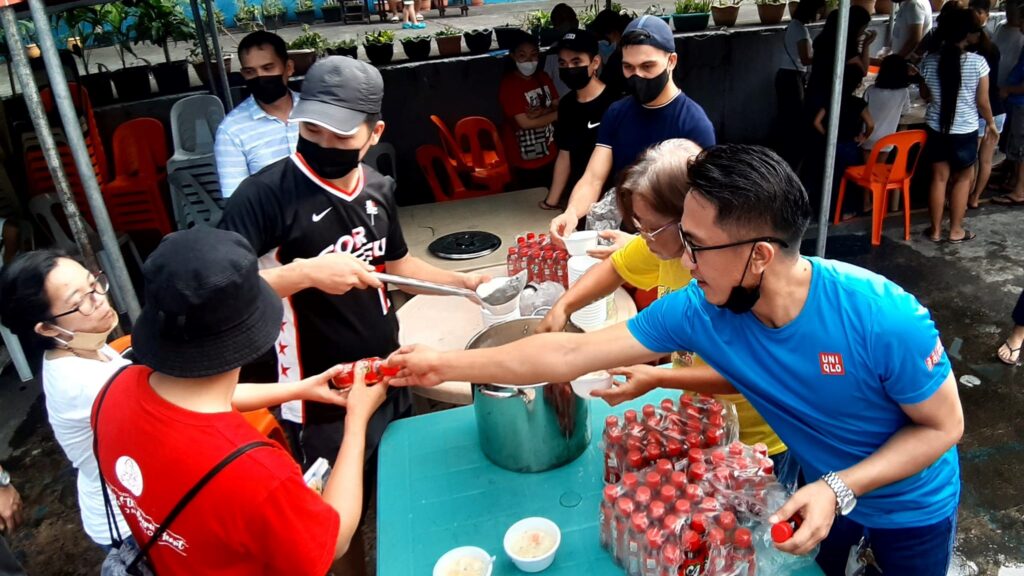
The MSC Scholasticate Community visited the community of the St Teresa of Calcutta Chapel to help with relief aid, including food provision and the distribution of care packages, shortly after the fire took place on March 8th. The St Teresa of Calcutta Chapel is just one of the chapels of the Our Lady of the Sacred Heart Mission Station in the area, which is under the pastoral care and guidance of the Missionaries of the Sacred Heart.
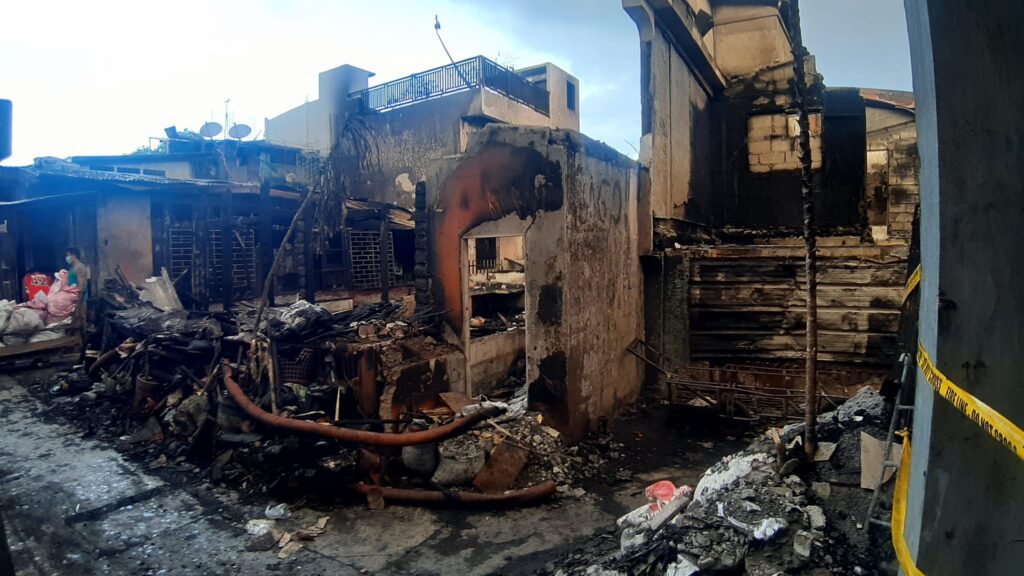
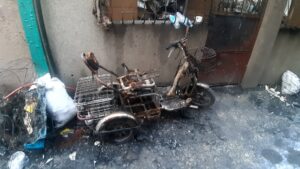
More than 80 families were left homeless following the blaze, where possessions, houses, and valuables were all lost to the flames. The MSC Scholasticate Community distributed care packages containing food and essentials, including pre-loved clothes and goods for families that had been left with nothing following the fire.
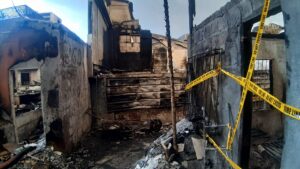
The MSC Scholasticate Community shared an update on the relief aid on their Facebook page, writing, “Gratitude is due to the OMI Theologate Community, SFIC Philippines, and some other individuals for sharing their resources in helping the affected community.”
“Together, we all make present the Heart of God on Earth,” they finished.
Please keep our Sacred Heart family in Quezon City in your prayers as they help survivors of the fire to find safety and security in the wake of this disaster.
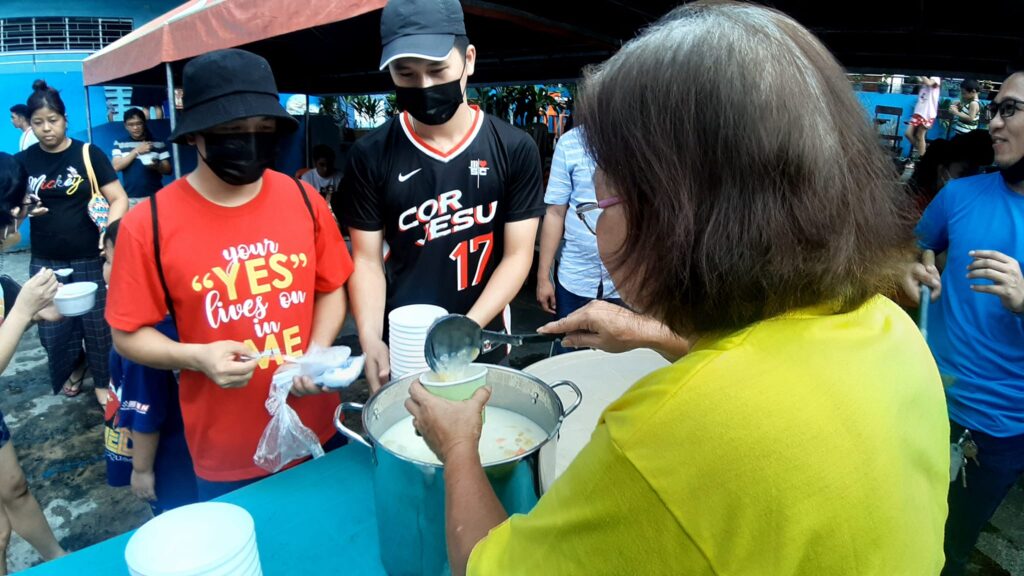
Images via the MSC Scholasticate Community – Philippines on Facebook.
*
Mar 16, 2022
The beginning of Lent was cause for great prayer and occasion in Metuge, Mozambique, where our MSCs celebrated with communities of the St Anthony of Metuge parish, in the Sede, São Paulo, Santa Terezinha, and São Tiago regions.
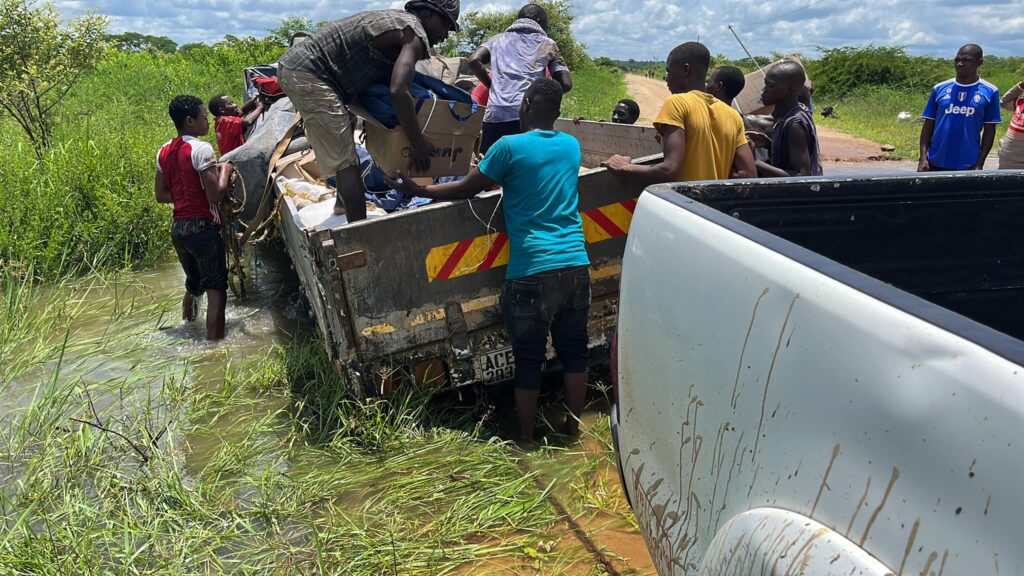
Masses and prayers took place across the parish – with unexpected challenges arising along the way, in the midst of the rainy season. Our MSCs encountered two separate incidents of trucks stuck in the river as they travelled to and from one of the Santa Terezinha communities, one on the way there and one on the return journey. They were able to help in the recovery of the first, but the muddy riverbed and powerful waters won the battle on the second. “This is how it is,” reads a post on the MSC Mozambique Facebook page. “This is our mission in this rainy season.”
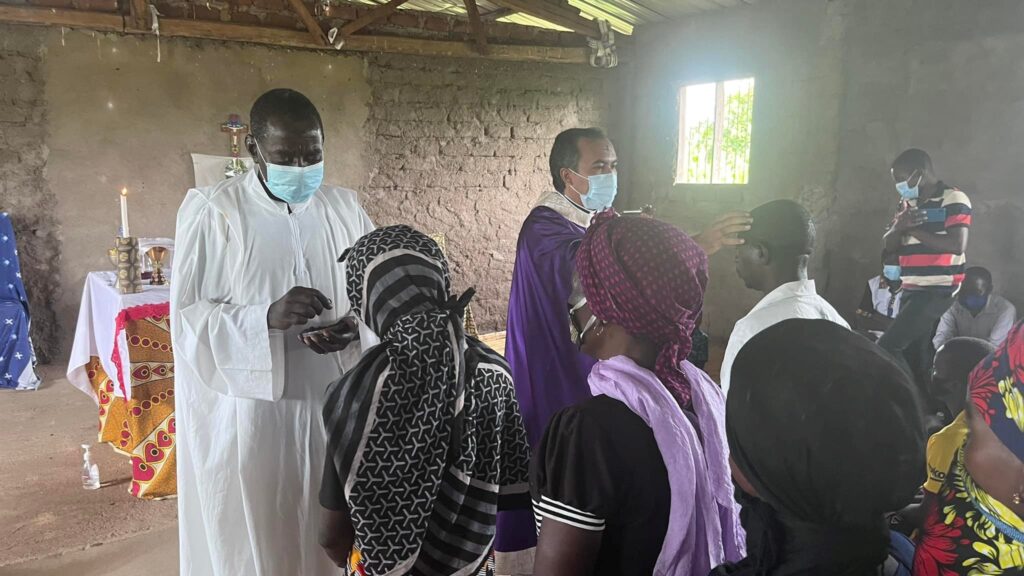
The MSC Mozambique Facebook page also shared pictures of Mass in the region of São Tiago, where the community is made up almost entirely of people who have been displaced by war, violence, and unrest. In the face of such troubles, and now more than ever in such tumultuous times around our world, our faith is a refuge and a comfort, and these Masses marking the beginning of the Lenten season were very special occasions of hope and unity for all involved.
Now in its fourth year, the MSC Mozambique mission has celebrated with local communities in times of joy, and has walked with them and helped them rebuild in the wake of natural disasters. Please keep our MSC community and the families they serve in Mozambique in your prayers this Lenten season.
Images via the MSC Mozambique Facebook page.
PLEASE HELP US TO MAKE A DIFFERENCE IN MOZAMBIQUE
Mar 10, 2022
“It has been a busy week. There are rarely quiet weeks in Loreto, but this last one has certainly kept us all on our toes. Thankfully it has all been positive, and in light of the challenges we see on the news now, we are especially grateful.
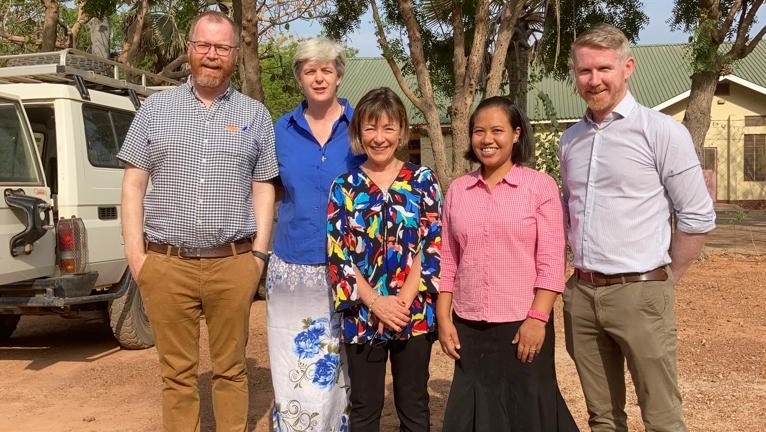
Last Monday the Irish Ambassador to Ethiopia, Djibouti and South Sudan, Nicola Brennan, visited the school with a member of her team. Their arrival meant a 50% increase in the number of Irish people in Lakes State. It was only for a day, but in that short time they saw all of the exciting ministry that Irish missionaries are involved in, including the schools, the Primary Health Care Clinic, the Catholic University, outreach to people living with leprosy, and the local parish run by the Spiritans. It is the same anywhere around the world. The Irish are a small group, but we punch well above our weight.
Ash Wednesday brought not just the beginning of the Lenten season, but also the news we had been waiting nearly a year for, the date for the consecration of Bishop-elect Christian Carlassare. Fr. Christian was shot several times last April in a home invasion in the Holy Family Cathedral. After a period of convalescence, he is ready to return and will be consecrated on the Feast of the Annunciation, March 25th.
With just over three weeks’ preparation time, everyone has leapt into action. We are expecting anywhere between 5,000 and 7,000 people to attend from all over the Diocese and South Sudan. Some will even come from as far away as Italy, the Bishop-elect’s home country. It will be a wonderful, grace-filled, joyous, prayerful, and chaotic day. His return will mark a new chapter for the Church here that will seek to address the desire for vision, reconciliation, and evangelisation.
“The challenges we face are formidable.”
Last, but by no means least, on Friday we had the graduation of our Senior 4 students. They will soon finish in Loreto altogether and sit their final national exams. Many hope to go on to university and study law, teaching, journalism, healthcare, business, IT, and a host of other subjects.
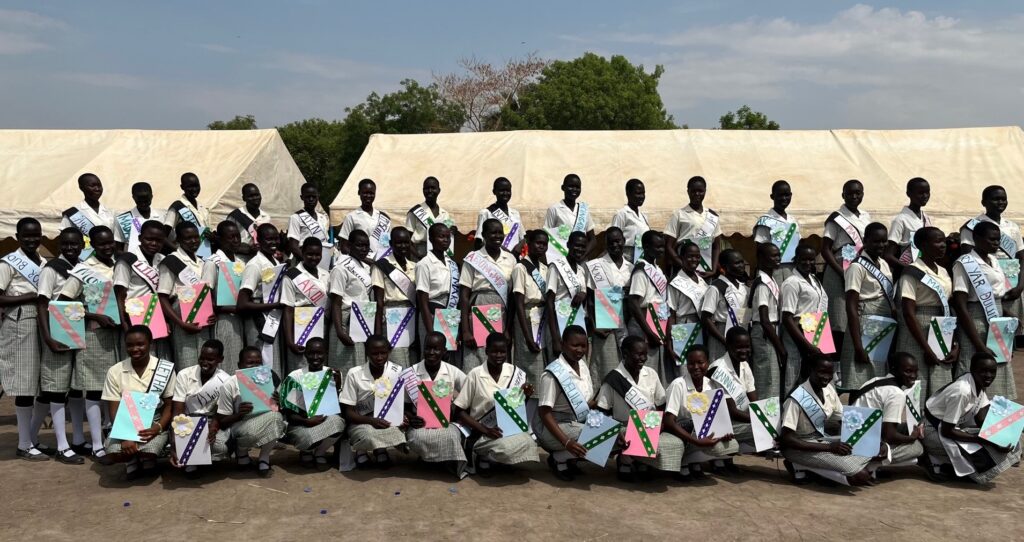
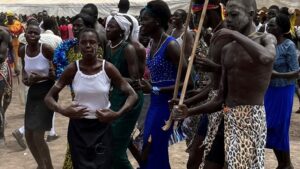
On the day the students were joined by 1,000 family members and friends who celebrated the day with them. While this ceremony is similar to many taking place around the world about now, here it is remarkable. These young women have had to fight against almost insurmountable odds to stay in school. When they began four years ago in Senior 1, there were ninety of them. This year’s graduating class was comprised of fifty-two students. Many were taken out of school for forced early marriage, and, despite the very best efforts of the team here, did not return. It is important to note that when it comes to retention of students and completion of studies Loreto ranks among the very best in the country, but the challenges we face are formidable.
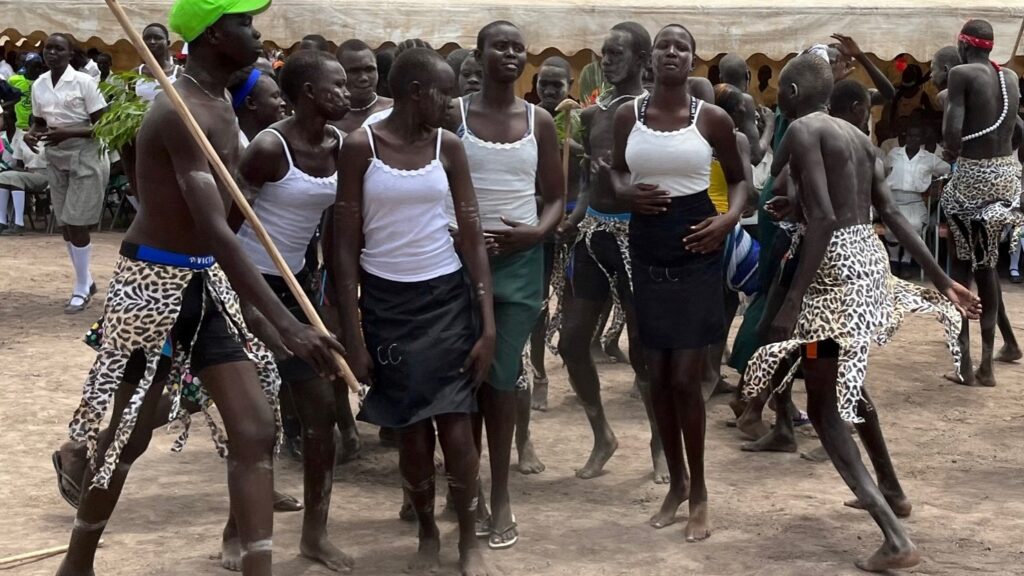
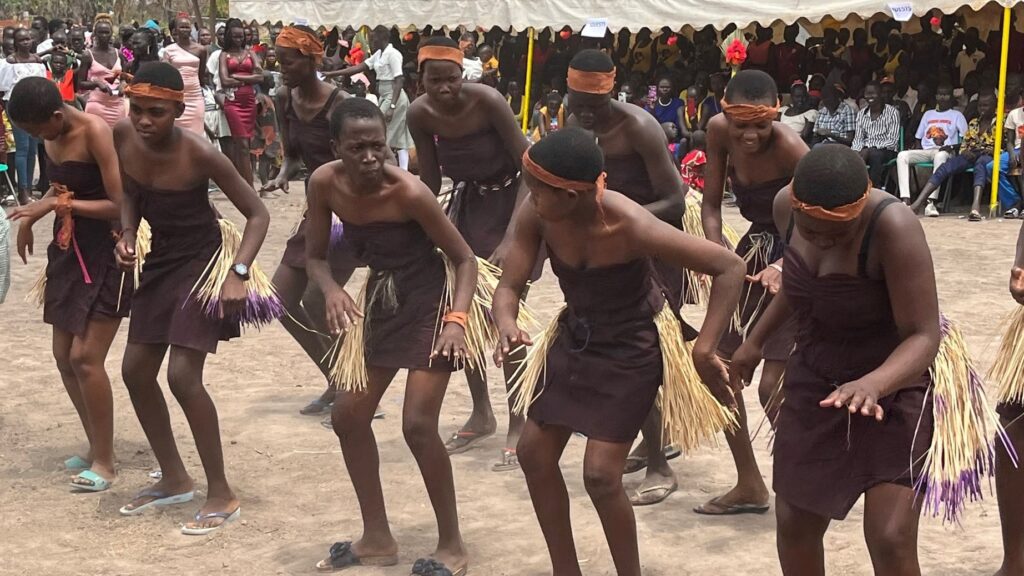
During their graduation, the girls spoke of their own hopes and dreams for the future. Their time in Loreto has helped them to reach a standard that will give them a say in their future that many young women here will be denied. After the Graduation Mass, the morning programme of speeches was interspersed with cultural dances and songs. Parents’ representatives spoke of their pride in their daughters and their belief that these will be the future economic, social, and political leaders of South Sudan. The day was also a good opportunity to showcase the work of the school with the visiting political dignitaries and bring them on board with the work we do.
Now that the week is over, another one has begun and it looks to be exciting as well. Please keep our preparations for the Bishop-elect’s consecration in your prayers. I’ll keep you updated on the coming and going. Thank you for all the support that you have given to our ministry here. During the week the MSC Missions Office transferred money that was given for our work in South Sudan. It is just enough to complete a new project for a toilet block, replacing outdated pit latrines. Little by little we are improving every day.
Ben Nhialic areer kek a yin,
Fr Alan
P.S. Almost forgot. We also got news that Pope Francis is coming to South Sudan in July. We are already planning our walking pilgrimage to meet him in Juba. It’s only 427km!”
Read more from Fr Alan’s missionary journey in South Sudan:
PLEASE HELP US TO TRANSFORM LIVES IN SOUTH SUDAN
Mar 3, 2022
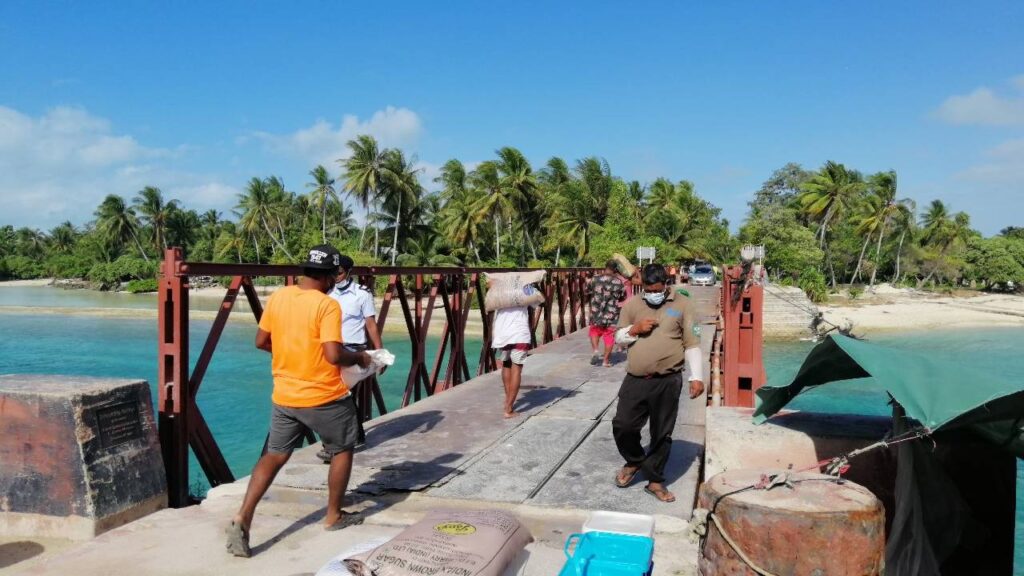
While restrictions may be easing here in Ireland, the COVID-19 pandemic remains an urgent issue in many parts of the world. The Facebook page for the MSC Province of the Pacific Islands has shared a collection of images taken by Fr Martin Everi MSC, demonstrating the relief aid offered by Fr Martin, Fr Gabby, and the parishioners of St Joseph’s Parish in Bikenibeu, Kiribati, for families affected by a recent lockdown in the Buota region.
Kiribati did not mark its first positive case of COVID-19 until May 2021; the island nation closed its borders in March 2020, with the exception of essential travel such as repatriation, and remained almost entirely COVID-free as a result. Two local seafarers tested positive for the virus in May 2021 and were quarantined immediately, and the country remained closed to international travel until January 2022 with no further cases.
The first international commercial flight in almost two years landed in Kiribati in mid-January, with 36 of the 54 passengers testing positive for the coronavirus upon arrival. The government imposed a nationwide curfew on January 19th, and the country went into lockdown on January 22nd, with the state of emergency having been extended since due to a rising number of cases.
As of the end of February, Kiribati had recorded over 2,900 positive COVID cases, and significant restrictions remain in place, with curfew hours from 7.00pm to 6.00am daily, and compulsory social distancing and mask-wearing in all public spaces.

At the end of January, shortly after lockdown was imposed, St Joseph’s Parish in Bikenibeu brought essential emergency aid to families in Buota who were severely affected by the restrictions. Fr Martin Everi MSC, who organised the outreach drive, posted on his Facebook page thanking those involved:
“Thank you so much our parishioners from the 19 sectors, from Nabeina (North Tarawa) to Taborio (South Tarawa), individuals, families, MP Betero and MP Terieta for your kind donation. From your generous gifts, we were able to deliver 3 loaded trucks of goods to our brothers and sisters in Buota during these challenging times.
Your kind donations will be given to families that are most affected due to this lockdown.
May God reward your acts of kindness.”
Please keep our MSC community in the Pacific Islands in your prayers, as they continue to help those most in need in the face of the ongoing pandemic.
Images courtesy of Fr Martin Everi MSC, via the Facebook page for the MSC Province of the Pacific Islands.
*
Feb 24, 2022
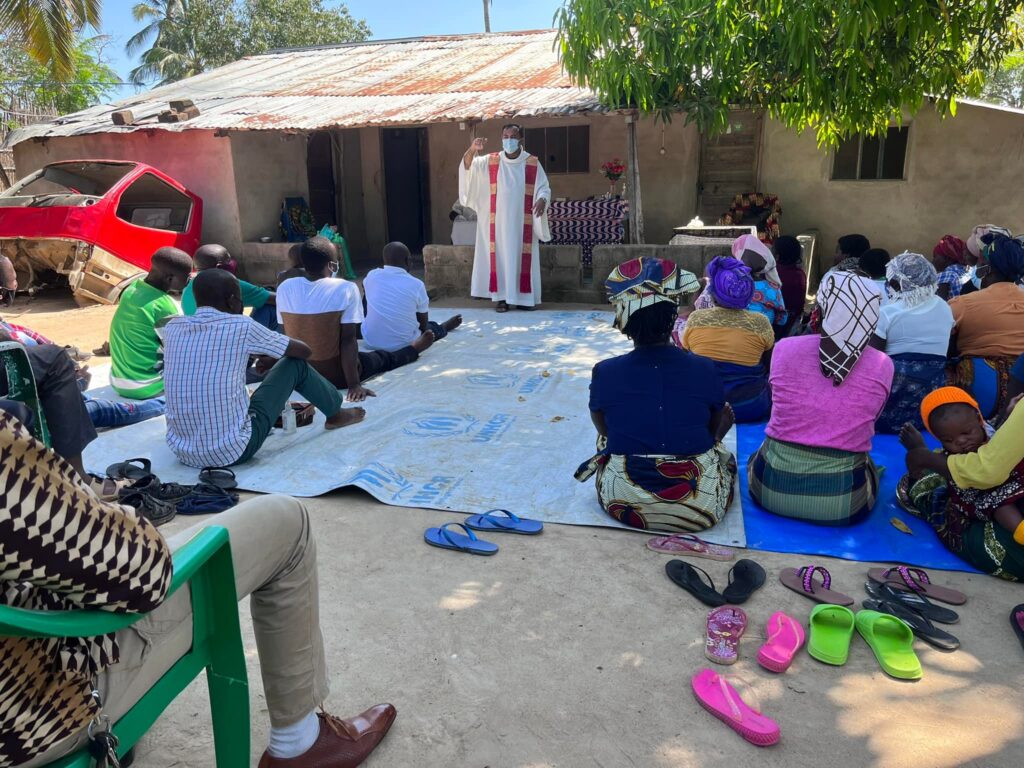
In early February, MSCs on our Mozambique mission celebrated Mass with the community of St Augustine, in the parish of Saint Anthony in Metuge.
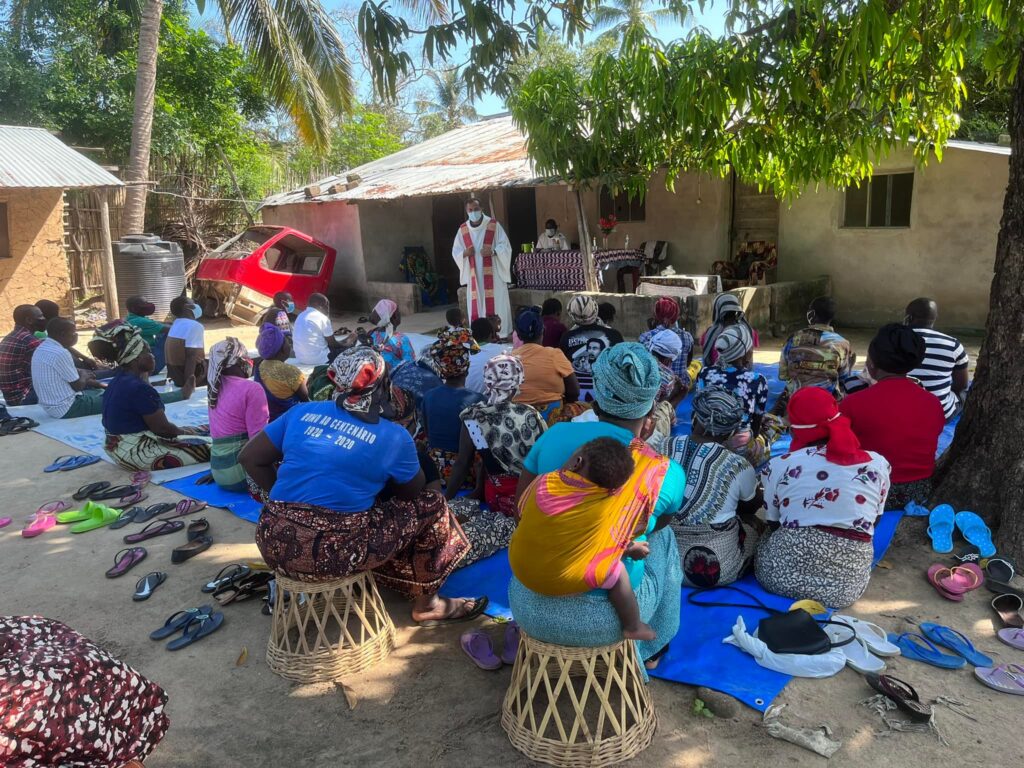
As there is no church in the area, Masses and prayers were celebrated by our MSCs in families’ homes, with a great spirit of unity and togetherness. God’s love is a hugely compelling factor for these families and communities, and they celebrate their faith in any and every way possible, given the lack of facilities in the region.
Just a few weeks earlier, the community in Metuge had a wonderful day in the celebration of several sacraments, including confessions, baptisms, First Holy Communions, and marriages. Once again, all of these events took place outdoors in the shade of the trees, with an enormous sense of unity and community.
Now in its fourth year, the MSC Mozambique mission has celebrated with local communities in times of joy, and has walked with them and helped them rebuild in the wake of natural disasters. Our MSC missionaries continue to make the love of the Sacred Heart known in this area of real need; please keep our MSC missionaries and people they serve in your prayers.
Images via the MSC Mozambique Facebook page.
*