Mar 10, 2022
“It has been a busy week. There are rarely quiet weeks in Loreto, but this last one has certainly kept us all on our toes. Thankfully it has all been positive, and in light of the challenges we see on the news now, we are especially grateful.
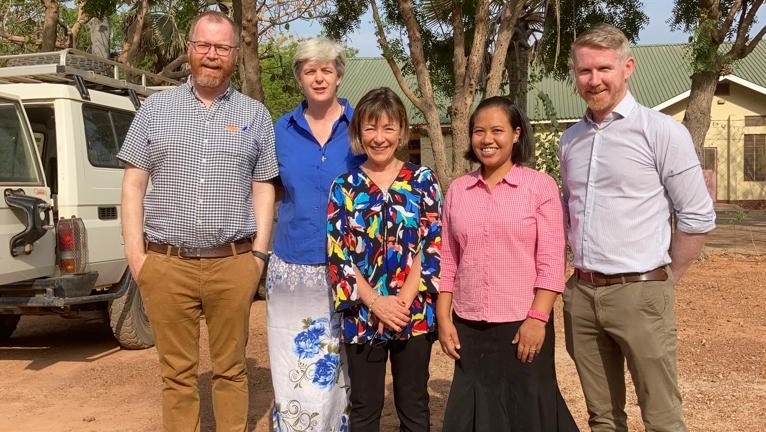
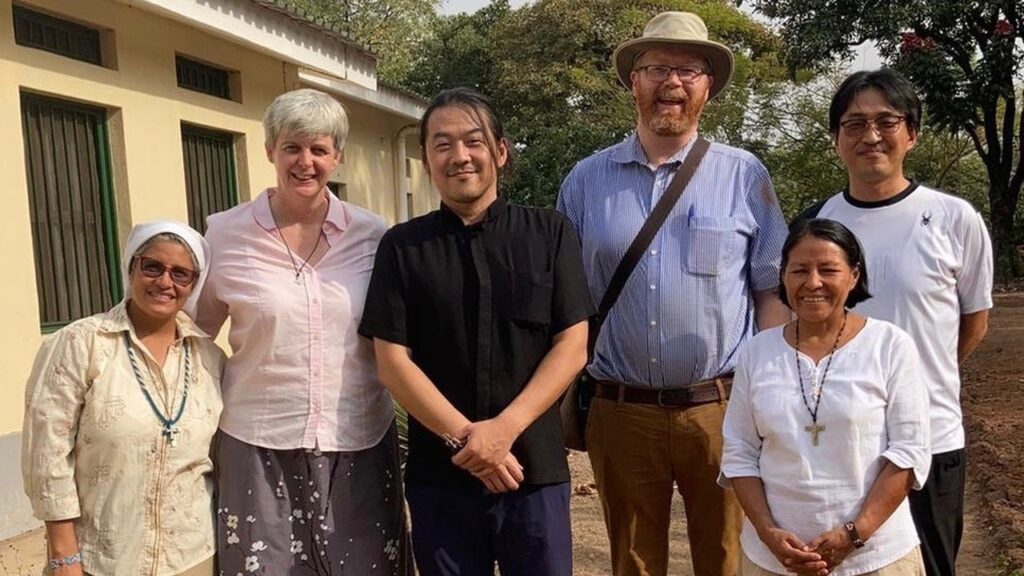
Last Monday the Irish Ambassador to Ethiopia, Djibouti and South Sudan, Nicola Brennan, visited the school with a member of her team. Their arrival meant a 50% increase in the number of Irish people in Lakes State. It was only for a day, but in that short time they saw all of the exciting ministry that Irish missionaries are involved in, including the schools, the Primary Health Care Clinic, the Catholic University, outreach to people living with leprosy, and the local parish run by the Spiritans. It is the same anywhere around the world. The Irish are a small group, but we punch well above our weight.
Ash Wednesday brought not just the beginning of the Lenten season, but also the news we had been waiting nearly a year for, the date for the consecration of Bishop-elect Christian Carlassare. Fr. Christian was shot several times last April in a home invasion in the Holy Family Cathedral. After a period of convalescence, he is ready to return and will be consecrated on the Feast of the Annunciation, March 25th.
With just over three weeks’ preparation time, everyone has leapt into action. We are expecting anywhere between 5,000 and 7,000 people to attend from all over the Diocese and South Sudan. Some will even come from as far away as Italy, the Bishop-elect’s home country. It will be a wonderful, grace-filled, joyous, prayerful, and chaotic day. His return will mark a new chapter for the Church here that will seek to address the desire for vision, reconciliation, and evangelisation.
“The challenges we face are formidable.”
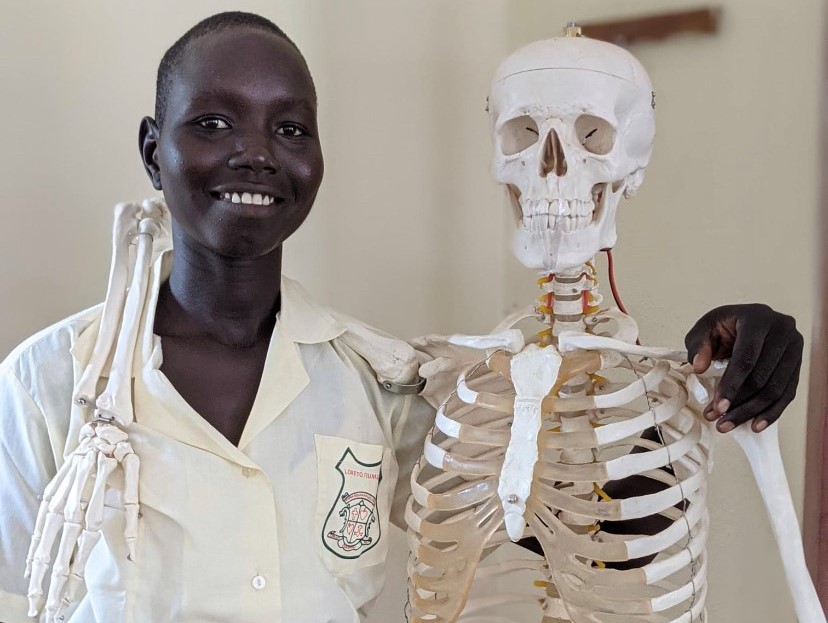
Last, but by no means least, on Friday we had the graduation of our Senior 4 students. They will soon finish in Loreto altogether and sit their final national exams. Many hope to go on to university and study law, teaching, journalism, healthcare, business, IT, and a host of other subjects.
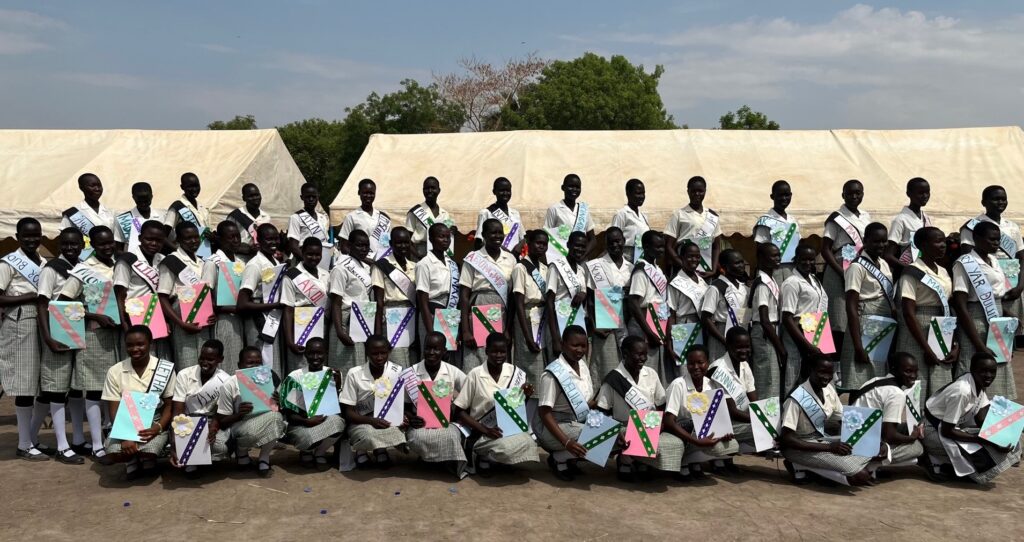
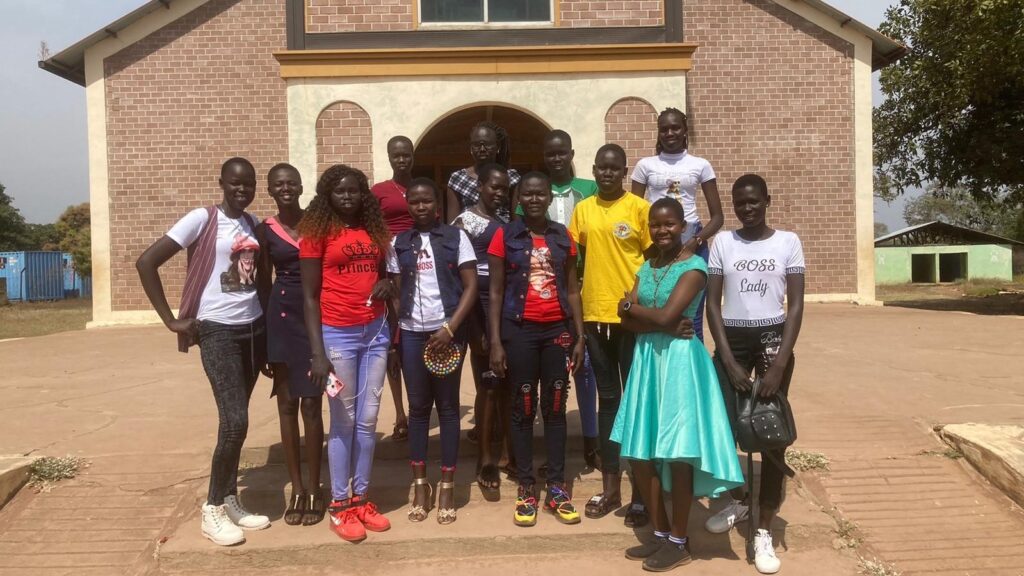
On the day the students were joined by 1,000 family members and friends who celebrated the day with them. While this ceremony is similar to many taking place around the world about now, here it is remarkable. These young women have had to fight against almost insurmountable odds to stay in school. When they began four years ago in Senior 1, there were ninety of them. This year’s graduating class was comprised of fifty-two students. Many were taken out of school for forced early marriage, and, despite the very best efforts of the team here, did not return. It is important to note that when it comes to retention of students and completion of studies Loreto ranks among the very best in the country, but the challenges we face are formidable.
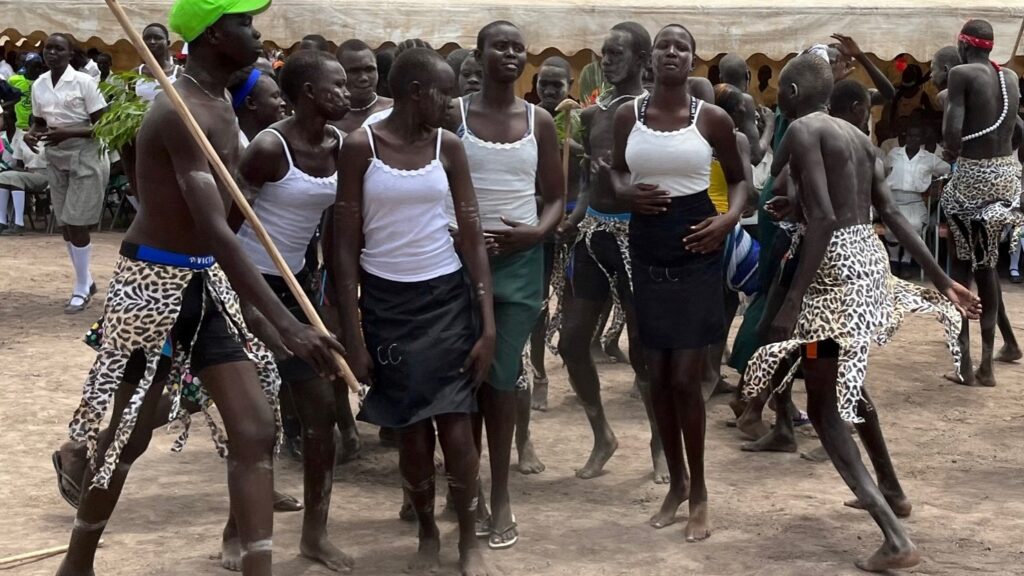
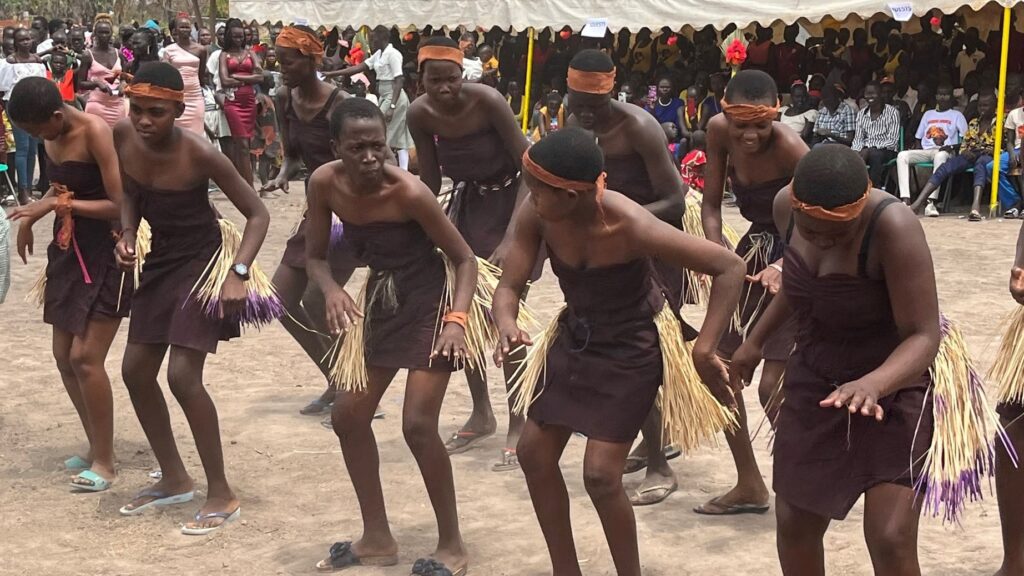
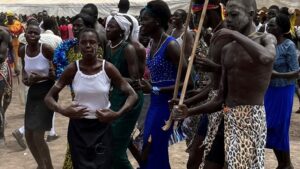
During their graduation, the girls spoke of their own hopes and dreams for the future. Their time in Loreto has helped them to reach a standard that will give them a say in their future that many young women here will be denied. After the Graduation Mass, the morning programme of speeches was interspersed with cultural dances and songs. Parents’ representatives spoke of their pride in their daughters and their belief that these will be the future economic, social, and political leaders of South Sudan. The day was also a good opportunity to showcase the work of the school with the visiting political dignitaries and bring them on board with the work we do.
Now that the week is over, another one has begun and it looks to be exciting as well. Please keep our preparations for the Bishop-elect’s consecration in your prayers. I’ll keep you updated on the coming and going. Thank you for all the support that you have given to our ministry here. During the week the MSC Missions Office transferred money that was given for our work in South Sudan. It is just enough to complete a new project for a toilet block, replacing outdated pit latrines. Little by little we are improving every day.
Ben Nhialic areer kek a yin,
Fr Alan
P.S. Almost forgot. We also got news that Pope Francis is coming to South Sudan in July. We are already planning our walking pilgrimage to meet him in Juba. It’s only 427km!”
Read more from Fr Alan’s missionary journey in South Sudan:
PLEASE HELP US TO TRANSFORM LIVES IN SOUTH SUDAN
Feb 11, 2022
It is an Irish truism that if you dig a good ditch, you don’t get time off, you get a bigger shovel. Apparently this is not just Irish wisdom, but South Sudanese as well. In addition to the work in Loreto College, I have been drafted by the Diocese of Rumbek to help run the local Catholic University. At this point of life you’d imagine I’d have learned to keep my head down.
It may sound a grand affair, but it is certainly a lot more simple than you’d imagine. We have a roof, but no ceiling; windows, but no glass; and floor with no tiles. The less said about the two pit toilets that serve the campus the better. Just today we had the cleaner in to take care of the bat infestation in the library, that also serves as the office. Having droppings continually fall on the desk during an academic meeting is distracting to say the least.
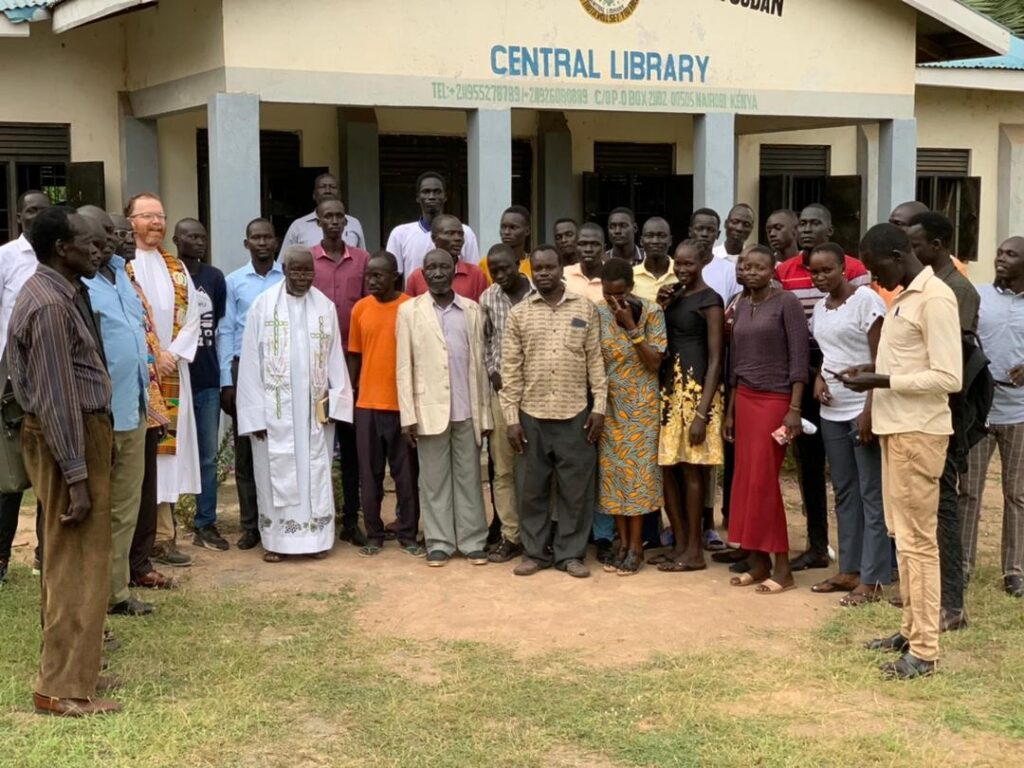
“Group photo from the My First Mass at the University showing the library with all the bats right behind!”
Initially I took on the role with the expectation that it would be a short term appointment. In fact, early on there was even a discussion around closing the University altogether. Still, it is one thing to consider in a meeting room, surrounded by pages of accounts, and entirely another to act out once you have met our students.
At the moment we have a sum total of 59 women and men studying either business administration or teaching with a focus on English literature.They are almost all from Rumbek, with only a couple from further afield. Some have come straight from school, while others are looking for new opportunities later in life. All are committed and enthusiastic about their third level studies. It is something to see really.
It takes a lot of energy to get worked up about a computer class, without computers, but with a drawing of a Windows home page on a blackboard.
This was one of the first classes I visited when I began. Since that experience of ‘theoretical computing’ we have been able to set up a relationship with a Jesuit community not so far away that runs a computer course – with actual computers!
We are also seeing an exciting new development. In traditional culture here, once a woman has her first baby she leaves formal education to focus full time on child rearing and subsistence farming. However, so far I have met a number of young mothers who are coming back to study, with their new born under their arm. It is unprecedented and we are looking at ways of supporting them and their young families. I mentioned the idea of a creche, but so far I’ve been met with looks of incomprehension. Honestly, if it wasn’t for the initiative of a particularly creative Donegal MSC setting up a parent and toddler group in one of my old parishes I wouldn’t have a clue either. We’re working on it. Watch this space.
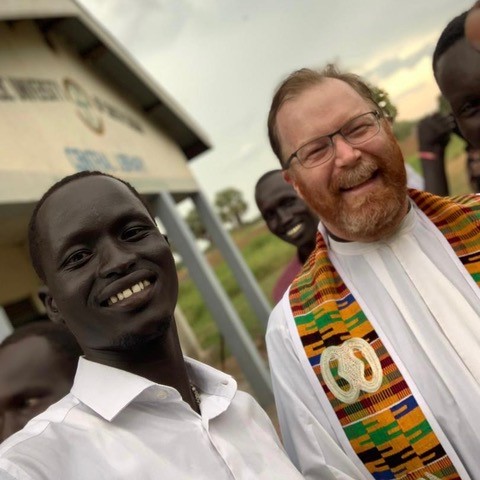
“My first Mass at the University.”
For me the main reason the University is so important is that we are the newest country in the world and we really need to develop the local economy. It has to be stimulated by well trained, committed teachers and hardworking, innovative business people. Charity is excellent for crisis situations. It’s an act of solidarity and compassion for someone you will never meet, but who you are ready to call brother or sister. However, charity is not a long term strategy and instead we need to increasingly invest in people on the ground to effect their own change, not just raising up themselves and their families, but entire communities as well.
The motto our small University is, The Truth Shall Set You Free. Our faith underlies everything we do here. Religious sisters, brothers, and priests are among the best educated in the area and they are working as lecturers in ethics, management, business, and education. We have great local educationalists who are taking the lead too. I spoke with one them today, as we were cleaning up the last of the bat droppings from the top of my desk, that in five years we’ll look back and have a good laugh at everything we went through to become a real third level college. In the meantime there is a lot of work to do. I’d better get my shovel.
Bi Nhialic arrer kek yin,
Fr Alan
Read more from Fr Alan’s missionary journey in South Sudan:
PLEASE HELP US TO TRANSFORM LIVES IN SOUTH SUDAN
Jan 27, 2022
The Daughters of Our Lady of the Sacred Heart (OLSH) are a vital part of our Sacred Heart Family,
working all over the world, often in partnership with MSCs, under our shared motto:
“May the Sacred Heart of Jesus be everywhere loved.”
OLSH MINISTRY IN BRAZIL
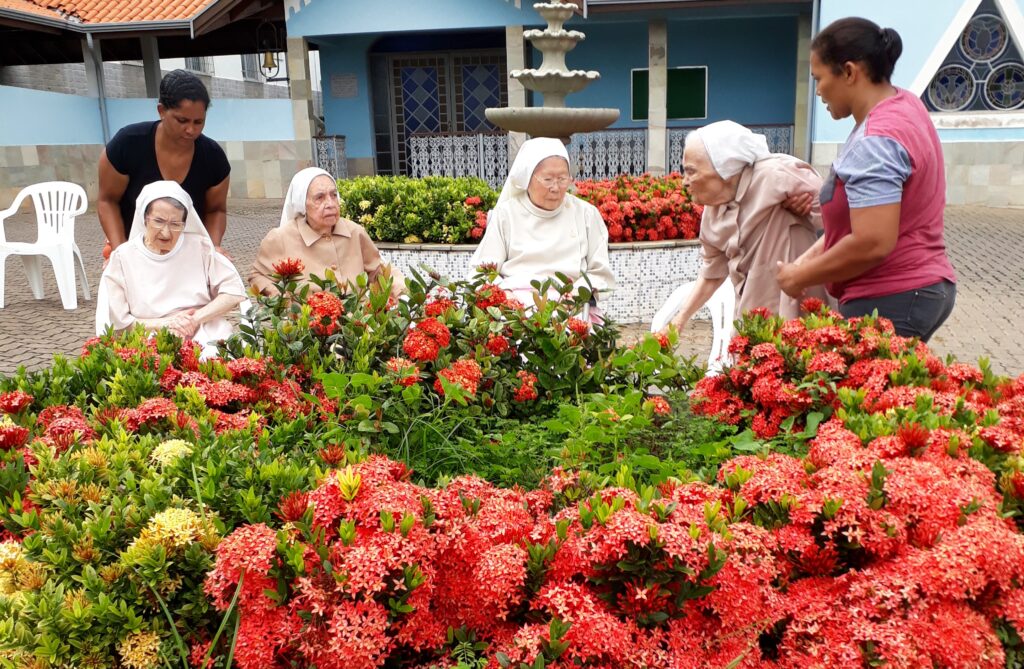
There are currently 30 Sisters living in a house for aging members of the OLSH community in Vila Formosa, São Paulo. Several of these Sisters need special care, and Sisters in Vila Formosa are raising funds to purchase 3 bath chairs, 2 hospital beds, 2 hospital chairs, a digital pressure device, and 10 sets of linen for the hospital beds.
€2,600 will provide enormous comfort for aging OLSH Sisters who are in ill health.
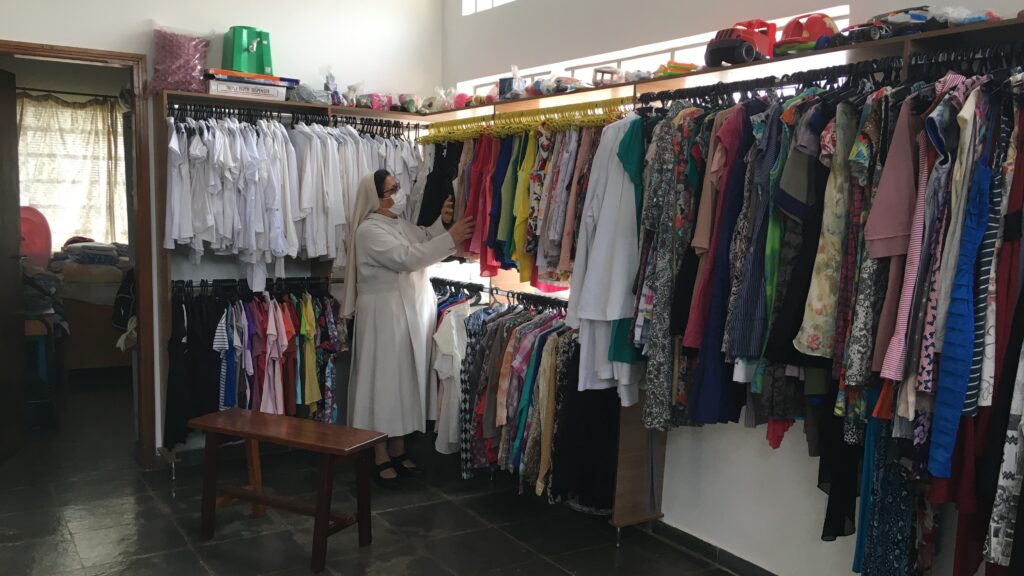
OLSH Sisters in Alfenas run a second-hand clothing shop, where money raised from sales is used to buy food supplies for poor families in the area.
Every month, OLSH Sisters in Alfenas distribute 65 food parcels to families in real need. The Sisters are currently renovating the shop to make it more practical and attractive, for the dual purposes of encouraging donations, and also to make the shopping experience a more pleasant one for those in need, who go to this shop to cater for their own needs.
The Sisters need €2,000 to continue the necessary renovations,
and €400 for washing powder to launder the clothes for resale.
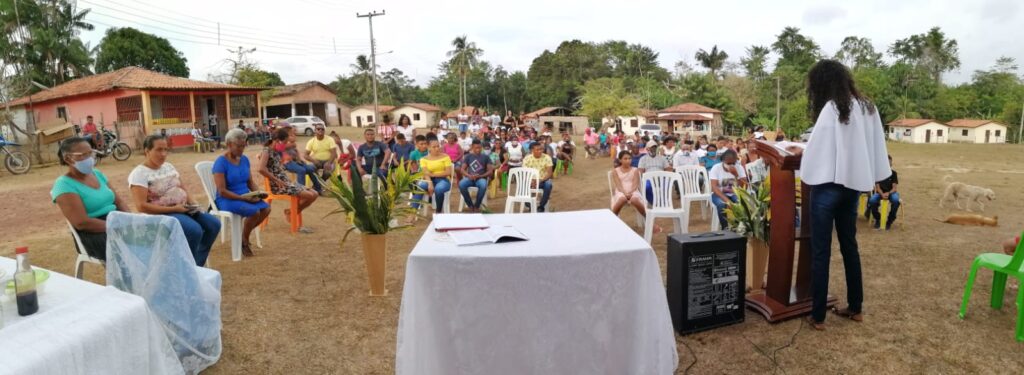
OLSH Sisters in Marahao are asking for your help in buying essential liturgical items for Mass, such as missals, chalices, and lectionaries, for several of the 18 mission stations they cover in remote locations across northern Brazil.
€2,300 will provide liturgical items for families in remote communities
to continue to celebrate Mass together.
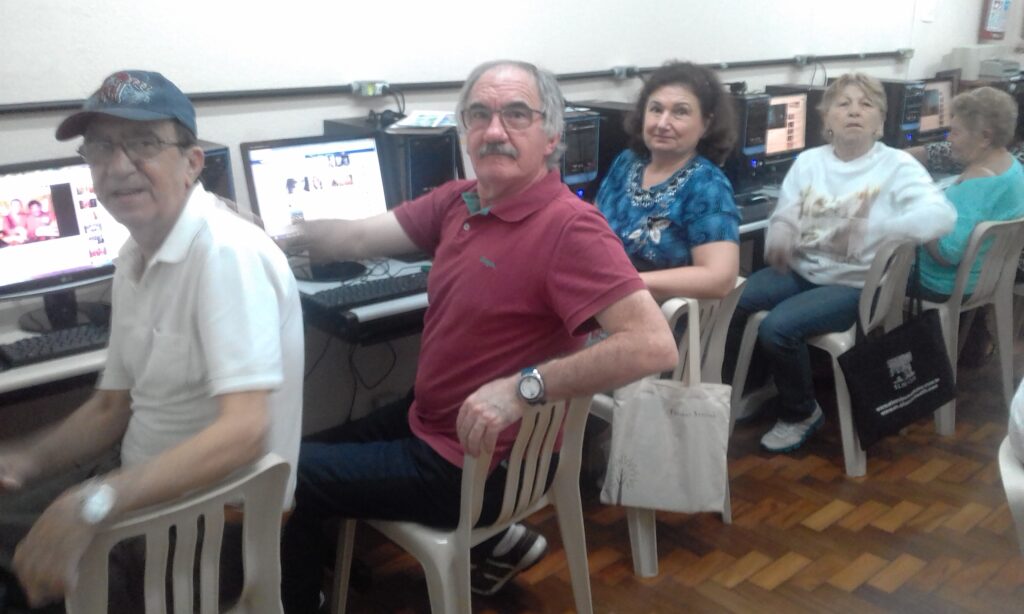
The Daughters of the Lady of the Sacred Heart in São Paulo run a social centre which facilitates a number of workshops, including English lessons, yoga, and crafts for the aged. In addition, the elderly are taught how to comfortably use computers and smartphones.
The centre is currently using 15 old computers, 12 of which are in serious need of repair. The Sisters are working to raise funds to bring their computers back to working order, and continue to provide a comfortable, pleasant space for local people to learn valuable skills and share friendships.
€7,500 will repair the computers, allowing the Sisters to continue
to provide a space for people to meet, to learn, and to share.
HEALTH CARE IN MAKA KAHONE, SENEGAL
The OLSH Sisters in Maka Kahone, Senegal, run a health centre named for MSC founder Fr Jules Chevalier. Caring for the medical needs of families and vulnerable individuals who are living in conditions of severe poverty and hardship, the Sisters experience serious and concerning issues with security. The threat of violence and theft is an extremely worrying one, and the OLSH Sisters in Maka Kahone are appealing for funds to erect a security fence at the medical centre, along with metal grilles on the windows.
€9,200 will give the Sisters the opportunity to minister to their patients safely,
providing patients with peace of mind to recover.
PLEASE SUPPORT OUR OLSH SISTERS IN THEIR GLOBAL OUTREACH
EMPOWERING YOUTHS IN INDONESIA
OLSH Sisters in Indonesia are appealing for help in running an Empowerment and Basic Leadership Training Youth Programme in Central Java.
The programme will provide leadership training for young people, giving the youths involved a wonderful skill set to use as they embark into the world of work, along with the confidence to implement it.
€4,000 will pay for four retreats, an LCD projector, a guitar, a keyboard,
20 floor mats, and a projector screen.
OLSH OUTREACH IN AFRICA
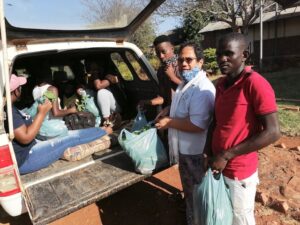
OLSH Sisters in Burkina Faso are responsible for the running of the Jules Chevalier School in the town of Zagtouli, where 198 students currently attend the pre-school, and 321 students are enrolled in the primary school.
Over 500 children are provided with one main meal and two nutritious snacks every day – a lifeline to children coming from backgrounds where poverty is rife and diet is poor, who are in real need of sustenance and good nutrition.
The OLSH community in Burkina Faso are working to raise
€19,465 to install a solar energy system in the school,
and to renovate a large area of the school to create a safe learning area for students.
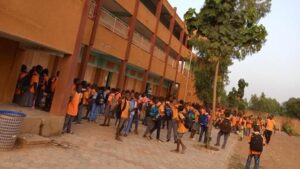
The Bakhita Village Outreach Project is run by OLSH Sisters in Dwars River. This programme allows for OLSH Sisters to visit vulnerable girls in their villages twice weekly, ensuring their safety and healthy development, teaching basic life skills, and keeping up with their educational progress, including school attendance, homework, and general behaviour. The carers also deliver food parcels, toiletries, and clothing.
The Bakhita Village Sisters need €10,000 to cover daily costs,
allowing them to continue to support and encourage young girls.
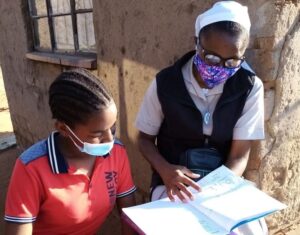
The Irish Province of the Missionaries of the Sacred Heart has a long-standing friendship with the Holy Family Care Centre in Ofcolaco, a residential home that cares for children up to the age of 18, who suffer with life-threatening illnesses and have often been orphaned or abandoned.
The care centre is home to 75 children, from newborns to teenagers. Sr Sally Duigan, OLSH Regional Leader and community leader at Holy Family, is currently raising funds to help with the daily costs of running the centre.
€10,000 will be allocated to vital health care for seriously ill children, essential educational supplies,
and outreach programmes for children who are being reunited with their families.
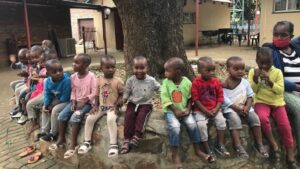
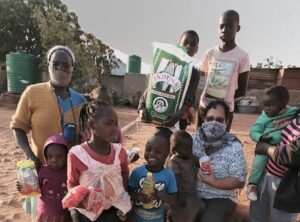
The OLSH South Africa Outreach Programme cares for 150 families in Nzhelele, including children living with HIV/AIDS, and families who have suffered bereavements or abandonments, and are run by grandmothers or older children.
The Nzehele Outreach Team are working to raise €10,000 to establish a vegetable garden project,
which will contribute to the nutritional needs of children living with HIV/AIDS,
while teaching valuable skills and promoting self-sufficiency.
RENOVATING A MATERNITY WARD IN THE DEMOCRATIC REPUBLIC OF CONGO
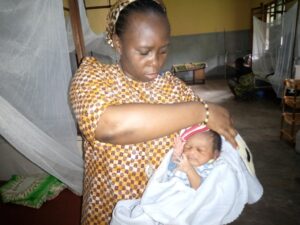
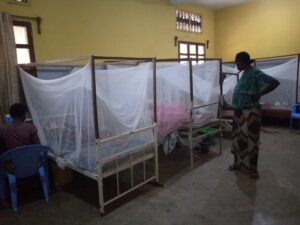
The Jules Chevalier Health Centre was established by the OLSH community in Mbandaka, in Democratic Republic of Congo, 10 years ago, and serves as a maternity clinic for local women in the extended area. Many of the women who use the health centre live across the Congo River, and even making the journey can in itself prove hugely difficult.
Currently, whenever it rains, a significant amount of water gets into the maternity ward at the centre, making conditions extremely uncomfortable and unsanitary for women in varying stages of pre- and post-natal care.
Renovations to stop the leaks will cost a total of €9,887.
Can you help?
PLEASE SUPPORT OUR OLSH SISTERS IN THEIR GLOBAL OUTREACH
Jan 5, 2022
“It’s a big shift coming back to South Sudan again. After a few weeks at home in November, sporting a woolly hat, gloves, and my scarf, I’m now back in my shorts and light shirts. All this week the temperature is around the 38C mark, and it isn’t even the hottest time of the year! Still, it’s good to be in Loreto again.
The exams are over and the term has come to an end, so most of the students headed off for the holidays. We only have a small group who either live far away or would be in danger of forced marriage if they went home. It’s quieter around the campus, but there is always something happening. We have already gone on a few day trips to nearby parishes. The rains finished earlier than last year, so the roads are passable, but very dusty. So far, we have taken the students to the parish of Cueibet, which is under the care of Korean, Peruvian, and Egyptian missionaries, and Wulu, where a Spiritan missionary is parish priest. In each place the Church is actively involved in the local community, supporting education through schools, running agricultural projects, working in the hospitals, and of course celebrating the Sacraments with the people.
Christmas Mass for us would normally happen in our usual spot under the neem trees next to the school, but one of the priests in town who was at home for holidays was diagnosed with COVID, so we agreed to help out in his parish. Our Christmas vigil and morning Mass were both special celebrations, with families gathering together to welcome the birth of Jesus once again. As Pope Francis said this year, “Jesus is the name and the face of love – this is the foundation of our joy”. There was no shortage of joy as the people sang, danced, and prayed in thanksgiving for the birth of our Saviour.
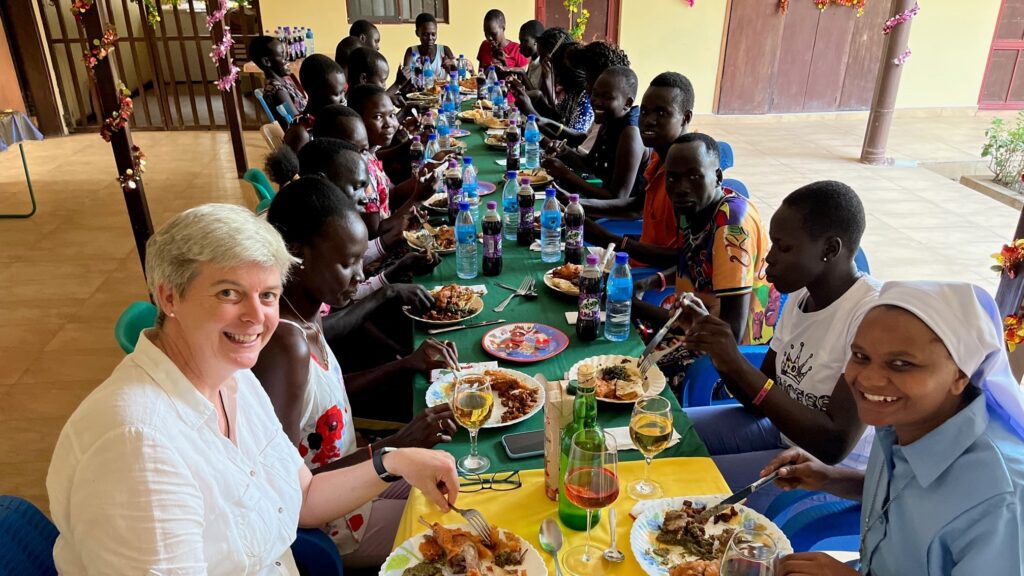
Our own Christmas dinner was a wonderful affair. Like any family we set out the extra tables and twenty-two of us shared a dinner of goat, sikumawiki (sort of like spinach, but not really), chapati, Irish potatoes (that’s what the locals call them), and tamalaka (a peanut sauce), all made by the students. Nothing is wasted when cooking here. I still haven’t worked my way up to tripe yet. One day maybe, but not this year!
The Feast of the Holy Family fell on the 26th, and according to tradition here, that is the main day to baptise children. Normally, four baptisms at any liturgy is more than enough for me, but here we had twenty-two. It was chaotic as you might expect at times, but it was a holy chaos, and the babies were just beautiful. People here cannot afford mobile phones, so cameras going off non-stop was not an issue. The baptisms took place within Mass, so the whole affair took two hours. By the end, I was ready for a cuppa, but the babies were probably the quietest there, content in their mothers’ arms. Another unique tradition they have there is to place a tinsel garland on the priest mid-baptism, so while I was busy anointing, I was being festooned like the prize bull at a cattle show.
!["[One] unique tradition they have there is to place a tinsel garland on the priest mid-baptism, so while I was busy anointing, I was being festooned like the prize bull at a cattle show." ~ Fr Alan recalls baptising twenty-two babies, in keeping with local tradition, on the Feast of the Holy Family on December 26th.](https://www.mscmissions.ie/wp-content/uploads/2022/01/FrAlan_December2021_2-Copy-1024x577.jpg "\"[One] unique tradition they have there is to place a tinsel garland on the priest mid-baptism, so while I was busy anointing, I was being festooned like the prize bull at a cattle show.\" ~ Fr Alan recalls baptising twenty-two babies, in keeping with local tradition, on the Feast of the Holy Family on December 26th.")
As I write this on New Year’s Eve, I look forward to tonight, when we will have a New Year vigil for the Feast of Mary, Mother of God. Previously, people would be wary of being out after dark, because of persistent security problems. Thankfully, this year things are calm and people feel safer. 2021 has certainly been a year of mixed blessings, with more than its fair share of challenges. I think we have all felt a little bit more vulnerable, but perhaps more connected too in spite of our self-isolation. There is no doubt we realise that we are more reliant on each other, and we are conscious that the effects of how we live can impact our brothers and sisters.
This year South Sudan benefitted from global solidarity efforts like the Covax vaccination programme. Loreto as a school has gone from strength to strength. A lot has been achieved, but there is still so much more to do. We have also been impacted by climate change, as rainfalls, which are essential to survival in an agricultural country, are disrupted. People will have to make do with what they harvested and we’ll do our part to help too. As we begin this New Year, let us do so with joy and with hope as well. We remember that God came into our world as a vulnerable child, in the simplest of settings, among a people who were struggling, to remind us He came for all of us and that together we are one family.”
Merry Christmas to you all or as they say here, Miet puou dhith banyda.
Fr Alan
Read more from Fr Alan’s missionary journey in South Sudan:
PLEASE HELP US TO TRANSFORM LIVES IN SOUTH SUDAN
Sep 30, 2021
“It’s official. Last week a journalist from the Irish Times tweeted that vaccines distributed throughout Africa would not be recognised by the countries of the European Union. This was initially thought to be directed against vaccines manufactured outside of the EU, but is now understood to include even the vaccines donated from the US, the UK, and the EU itself.
So what does this mean in practice? On one level, not much. To date, South Sudan has just received 60,000 first and second doses of the Astra Zeneca vaccine. There has been a commitment from the US for just over 100,000 Johnson & Johnson one-shot vaccines. That’s it. For a country of over eleven million people, these donations are only a drop in the bucket, but, to paraphrase Mother Theresa, it would be a drop in the bucket that would be missed if it were not there.
You might well ask, why are African countries not producing their own vaccines? Well, they are, but there’s a catch. Earlier this year a company in South Africa produced 10 million Johnson and Johnson vaccines. The continent clearly has the know-how and the technology. What they don’t have is the buying power. The entire ten million doses were sold to the EU as part of their vaccine drive. At this point, it might be good to look at the disparity in COVID health care. As of the last week in September, there is 74.4% full vaccination coverage in Ireland and just 4% coverage throughout Africa. It was only after international outcry at the manifest injustice of the act that the vaccines were returned to South Africa to be distributed there.
As I have mentioned before, we have been lucky in South Sudan that the number of COVID infections have been quite low. This has been variously attributed to the country’s low average age, hot climate, and relative inaccessibility of the towns and cities. Whatever it is, it is evident that our luck is running out. Only yesterday, two of the religious sisters in our Diocese were diagnosed with COVID, with another going for testing today. One of the sisters working in a nearby hospital has also tested positive. Given the modest budget for testing, the emergence of these cases among front-line religious sisters is indicative of a significantly higher infection rate among the general population.”
“This is the time for solidarity, not division; for unity, not injustice.”
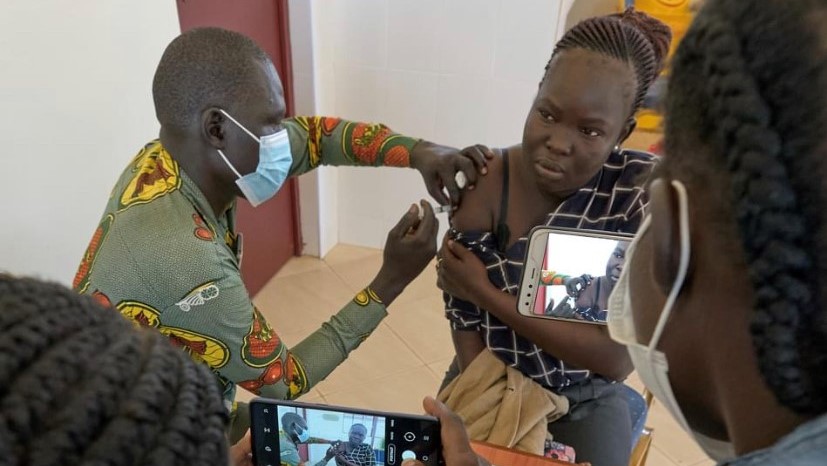
“However, there is good news too. Ten days ago, the second dose of the Astra Zeneca vaccines were delivered to Rumbek. Last time, we had so many people come from Loreto to receive the first dose that the hospital saved us a trip and sent a dedicated team to our Mary Ward Primary Health Care Clinic. We now have almost two hundred teachers, nurses, religious sisters, and agricultural workers who are fully vaccinated against COVID.
While a welcome relief, this level of take up was not easy to achieve. Rumours and the most ridiculous conspiracy theories abound about vaccines. The fact that the leadership team of Loreto were the first to take the vaccine gave others the confidence to go for their own. This frustrating reality is that this is not restricted to South Sudan, but is something of a global challenge.
Many of these rumours are easily dismissed as pure nonsense. However, the latest ruling by the EU quite reasonably has provoked doubts and concerns. We have been asked what the problem is with the vaccine that is been distributed in South Sudan. In spite of the fact that the entire enterprise is been undertaken by the World Health Organisation and their partners, the decision by the EU further emphasises the divide between the global north and south. We have many dedicated, professional medical personnel here who are entirely committed to an efficient vaccine roll-out. To disregard their work in such a cavalier manner is sheer prejudice. This is the time for solidarity, not division; for unity, not injustice.”
Bi Nhialic arrer kek yin,
Fr Alan
Read more from Fr Alan’s missionary journey in South Sudan:
PLEASE HELP US TO TRANSFORM LIVES IN SOUTH SUDAN
Photos of Loreto School courtesy of Life on Earth Pictures
*