Jan 30, 2020
November 2019 saw great excitement for our MSC communities in Mozambique, when a visit from Bishop Luís Fernando “revived the faith and strengthened the bonds of friendship” among local parishes, according to the MSC Mozambique Facebook page.
Many families in the region are still working to rebuild their lives in the aftermath of the savage cyclones that hit their country early last year. In mid-March of 2019, Cyclone Idai wreaked havoc in north-eastern Mozambique, killing over 600 people, and just six weeks later, at the end of April, the Pemba region was hit again by Cyclone Kenneth, with the death toll rising further. In addition, over 21,000 people lost their homes, livestock and crops; for many people in the area, the cyclones signalled the end of life as they knew it.
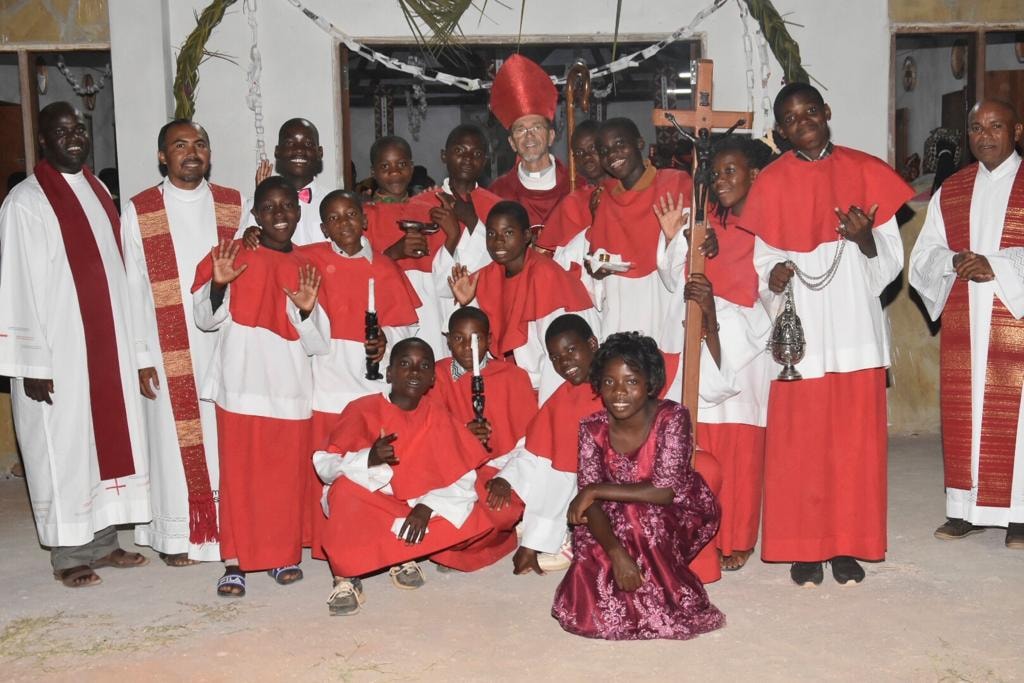
This dual disaster was a devastating blow to a country that was already struggling, and every little helps a lot. During his visit to the region, Bishop Luís met with local communities and performed blessings and ceremonies that were a tremendous boost to parishioners, bringing them together in reflection and thanksgiving.
On his visit to the MSC missionary area, Bishop Luís stopped in Quissanga, an area particularly affected by last year’s natural disaster, where he visited hospital patients. Quissanga is just one of the places that suffered a great deal from the effects of the cyclones, and the bishop’s visit brought renewed motivation and encouragement to the people in the region.
The MSC Mozambique Facebook page expresses their gratitude towards Bishop Luís, posting: “Thank you to our pastor for the availability of the heart”.
Our MSCs continue their tireless work in aiding these families in their struggle to rebuild their lives. Please keep our MSCs and the communities they serve in your prayers – all support, no matter how big or small, provides very welcome encouragement and much-needed practical aid as they continue on their mission.
PLEASE SUPPORT OUR MSC MISSIONS IN MOZAMBIQUE
Images via the MSC Mozambique Facebook page.
Jan 23, 2020
The Daughters of Our Lady of the Sacred Heart (OLSH) are a vital part of our Sacred Heart Family, working all over the world, often in partnership with MSCs, under our shared motto:
“May the Sacred Heart of Jesus be everywhere loved.”
OLSH in Brazil
Helping a children’s choir
The municipality of Mirinzal is a small, remote region in Maranhão, Brazil. Sr Maria José dos Santos Lira runs a children’s choir in the area, which gives local children great motivation and inspiration to be part of something bigger. The OLSH Sisters teach the children about music and liturgy, and choir regularly performs during special liturgical events in the parish.
Families in the region have very little, and the OLSH Sisters are doing their best to keep the choir going with the extremely limited resources available to them. The choir are currently raising funds for new equipment, including two microphones, a cajon (a local musical instrument), and a keyboard stand.
The cost of these items is low: €21.50 will buy a microphone, €43 will pay for their new cajon, and a new keyboard stand costs just €21.50. A small donation will make a truly great difference to these children as they create bright and beautiful music in a life dogged by hardship and poverty.
A centre for the elderly
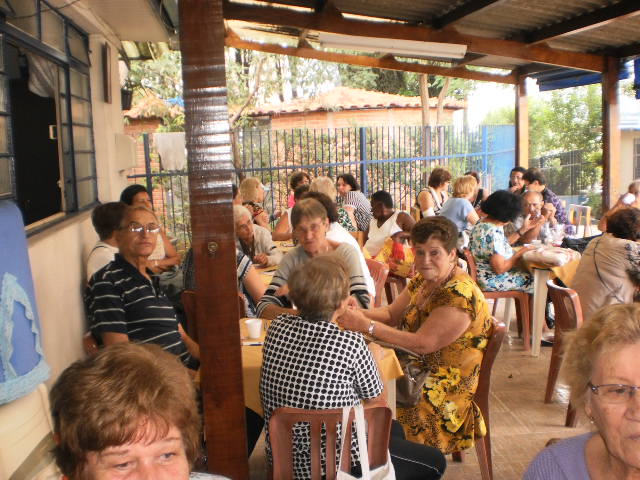
In the convent in São Paulo, Brazil, Sr Maria da Paricida leads the sisters in local social work. Twice a week, elderly people from the area attend workshops that provide lessons in different life skills, such as technology classes, yoga sessions, English classes, embroidery lessons, and choir practise, among other things. The main aim of the Sisters’ work here is to help these elderly people feel part of the wider community, fighting in the face of loneliness and the depression brought about by extended solitude.
The majority of people who come to these workshops are very poor, and have no other opportunities to meet and mix with others. However, the hall where they currently gathering is in poor condition and is currently in need of repair to create a comfortable space for these elderly people to gather together to learn. The Sisters here are raising funds to buy paint as part of the hall restoration.
A donation of just €110 will provide paint for the entire hall, and will help to provide a bright, comfortable space for elderly people who have nowhere else to go.
Residents’ Association Stove
The area of Morumbinho, on the outskirts of the city of São Paulo, is home to approximate 800 families. The majority of these families are migrants who are living in extreme poverty. The local Residents’ Association have appealed to the Daughters of Our Lady of the Sacred Heart in the Parish of the Immaculate Heart of Mary for funds to purchase a professional stove, which will allow them to cook for the families who are unable to provide meals for themselves.
Just €175 will cover the cost of the new stove and provide desperately needed meals for families who have no other way to feed themselves.
OLSH in Cameroon
As a result of social and political unrest in the North West and South West regions of Cameroon, many children have been displaced from their homes and families, and are seeking shelter with extended family in the towns of Baffusam, Yaounde, and Douala. Many of these children are suffering greatly as a result of malnutrition and poor hygiene, and the Daughters of Our Lady of the Sacred Heart in the locality are doing their best to help.
Regional leader Sr Marie Solange OKO is raising funds for an aid project which will assist 50 internally displaced children in the Yaounde region, providing food, essential medication, and basic hygiene products.
Just €125 will support one of these children for five months.
CAN YOU HELP THE OLSH SISTERS TO MAKE A DIFFERENCE?
OLSH in Papua New Guinea
A safe Novitiate Chapel
The OLSH Novitiate in Papua New Guinea is located on Yule Island, where the first MSCs and OLSH Sisters began their mission over 130 years ago. Since then, the OLSH Sisters in the region have set up schools and health centres to help local communities, and today, there are 86 Sisters currently working in the area.
Recently, the Sisters’ novitiate chapel had to be demolished following an infestation by white ants. They are sorely feeling the lack of this sacred space, and are raising funds to rebuild the chapel at a total cost of €4,800.
Daru School Library Books
The region of Daru in Papua New Guinea is an extremely isolated one, which takes five days to reach by boat, or a flight in a small place followed by another journey on land. This area is plagued by poverty and hardship, and two OLSH Sisters are currently teaching in the school there. The conditions are very basic, and the school’s library facilities are extremely limited. The books are old and in poor condition, and students must share books between them during their classes.
The Sisters in the Daru school are appealing for help, at a cost of €1,330 to purchase the books that the school so desperately needs. Education is the only hope for many of these children, and the gift of a book can make all the difference to their future.
OLSH in the Philippines
Sr Precy Peralta is principal of the Our Lady of the Sacred Heart Integrated School, an OLSH-run pre-school in the Philippines that currently accommodates 54 children. The majority of these children come from backgrounds of extreme poverty, and resources are very limited within the school.
The school is currently in need of a steel cabinet to store important documents safely, at a cost of €300, and a TV for classroom use, at a cost of €250. These small additions will make a great difference to the quality of education and administration for the staff and children at the school.
OLSH in South Sudan
The region of Mapuordit is currently home to four OLSH Sisters, two from Australia and two from Indonesia, who minister to the two groups living in the area, the Dinka and the Jur. Children from both groups attend the OLSH primary and secondary schools there, with 1,400 primary school pupils and 440 secondary school students.
In recent years, the OLSH Sisters have been trying to make the best possible use of the land around the schools by cultivating it for growth. The Sisters currently grow vegetables such as sweet potatoes and green vegetables for consumption by local families, using the natural resources available to provide a much-needed food source. The land in the region is extremely fertile, but with six months of regular rain and a six-month dry season, the garden is in need of a simple irrigation system to allow it to be used on a year-round basis.
The Sisters here are appealing for the funds to successfully establish and maintain two gardens. With a borehole fitted with a hand pump costing €8,000, the cost of each garden will total just over €10,000 – an investment which will provide years upon years of profit to local communities, from being a source of nutritious food to providing students with the physical and mental benefits of gardening.

PLEASE SUPPORT OLSH GLOBAL OUTREACH
Jan 23, 2020
Educating for the future in Bokungu-Ikela
The diocese of Bokungu-Ikela, located in North West of the Democratic Republic of Congo, was founded by the Missionaries of the Sacred Heart in 1961. Coming up to its 60th anniversary, the diocese has 15 parishes and a small clergy of 24 priests, with three MSC communities ministering in the area. Covering an area of 42,000 km, the population of the diocese is estimated at 620,000 – 30% of whom are baptised Catholics.
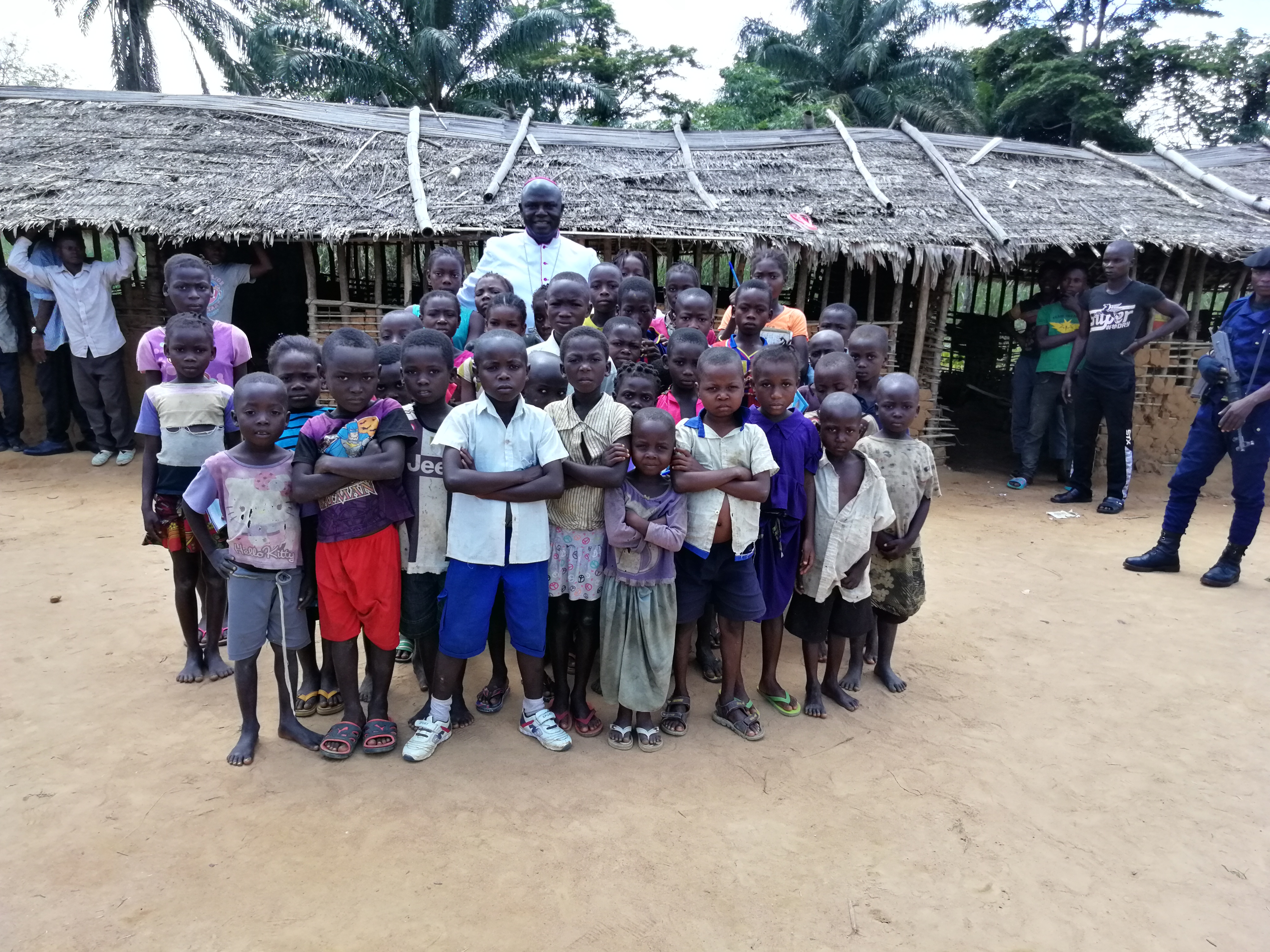
The Democratic Republic of Congo is ranked as one of the poorest countries in Africa, with enormous natural resources but terrible corruption at government level. The majority of parishes in the diocese are located in extremely isolated areas, where transport is difficult as the roads are in almost destroyed. Cars are rarely used, with locals sometimes travelling by motorbike, or, most often, on foot. The population depend on agriculture and livestock for their livelihoods, and their living conditions are both difficult and precarious.
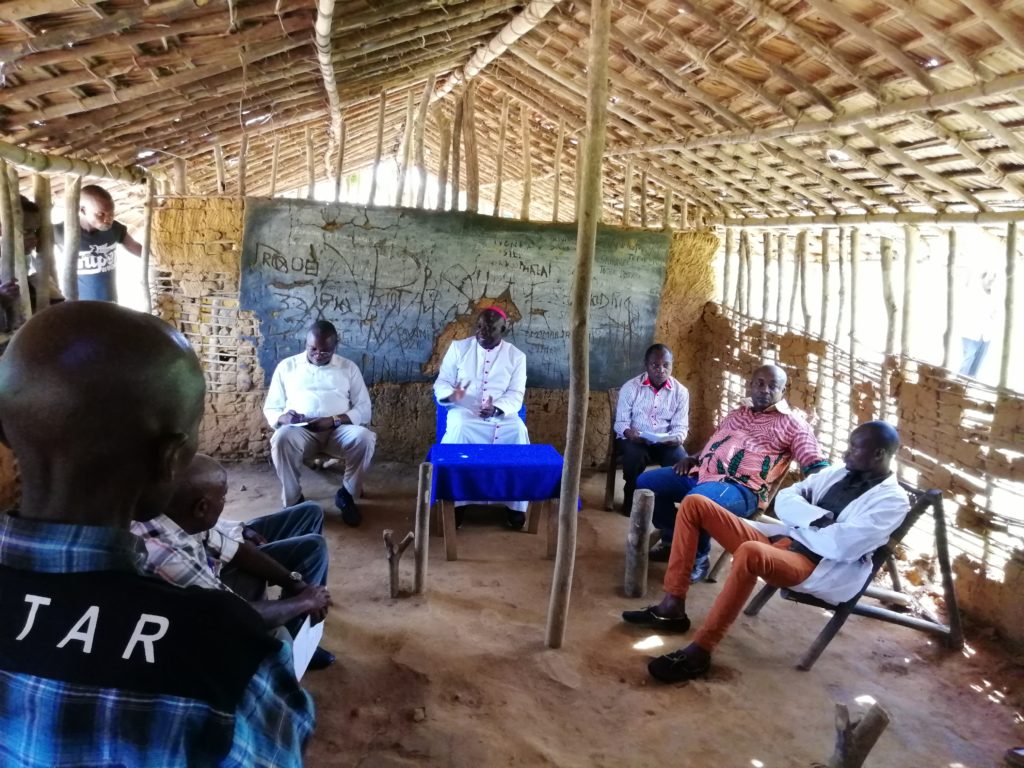
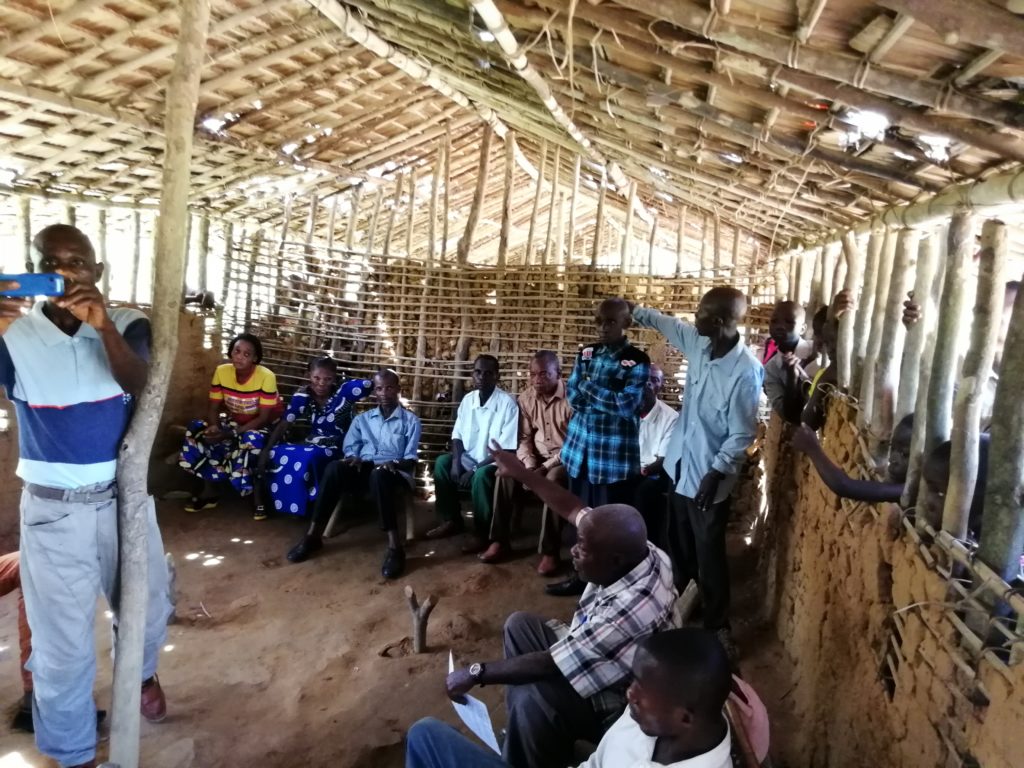
The Catholic Church is one of the main sources of hope for struggling families in the region, particularly when it comes to education. However, schools in the area are severely lacking in even the most basic necessities – many children study and learn while sitting on the ground, as they have very little in terms of facilities such as benches and tables, or even notebooks and pencils. School buildings are rudimentary, often little more than straw and clay bricks in a state of disrepair.
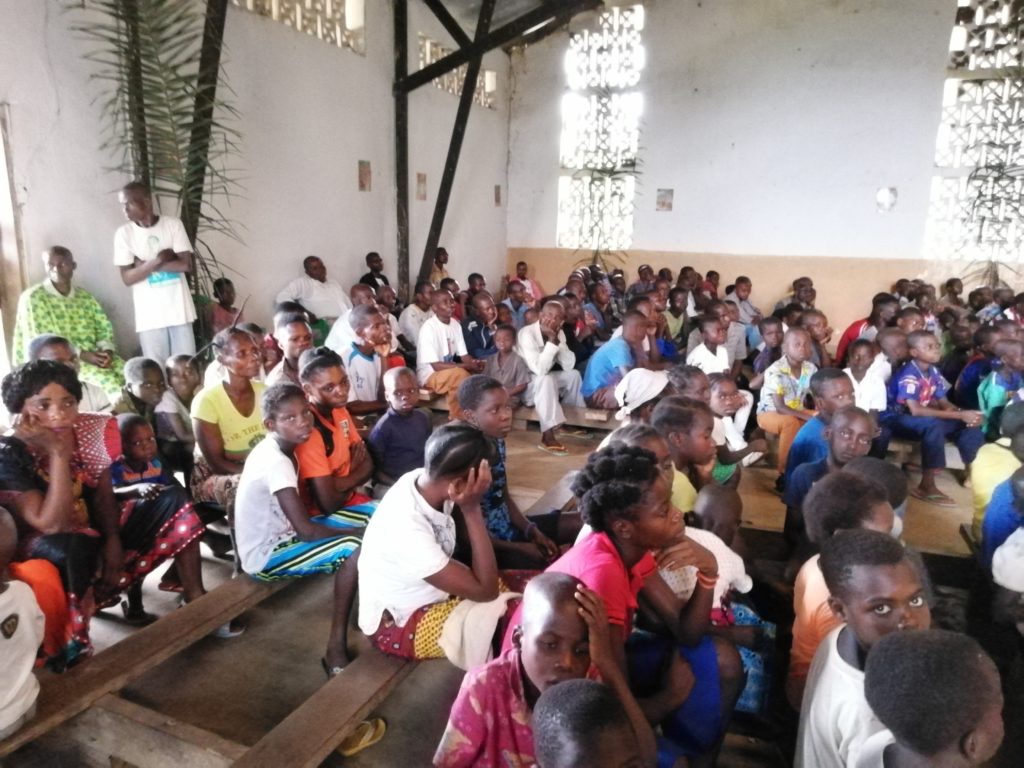
Bishop Toussaint Iluku MSC, who became a Bishop of the diocese of Bokungu-Ikela in July 2019, is now attempting to bring some relief to students and teachers in the region by raising funds for education in the area. Over the next five years, his aim to begin repairs on existing school buildings, and to build new ones where repair is futile, giving the new generation of local children a spark of hope for a brighter future.
“I would particularly like to encourage young girls to go to school, and even later, to have their mothers back in school, so they can learn to read and write, as most women abandoned literacy classes because of lack of resources. I am convinced that the one who educates a girl prepares the future of the nation.”
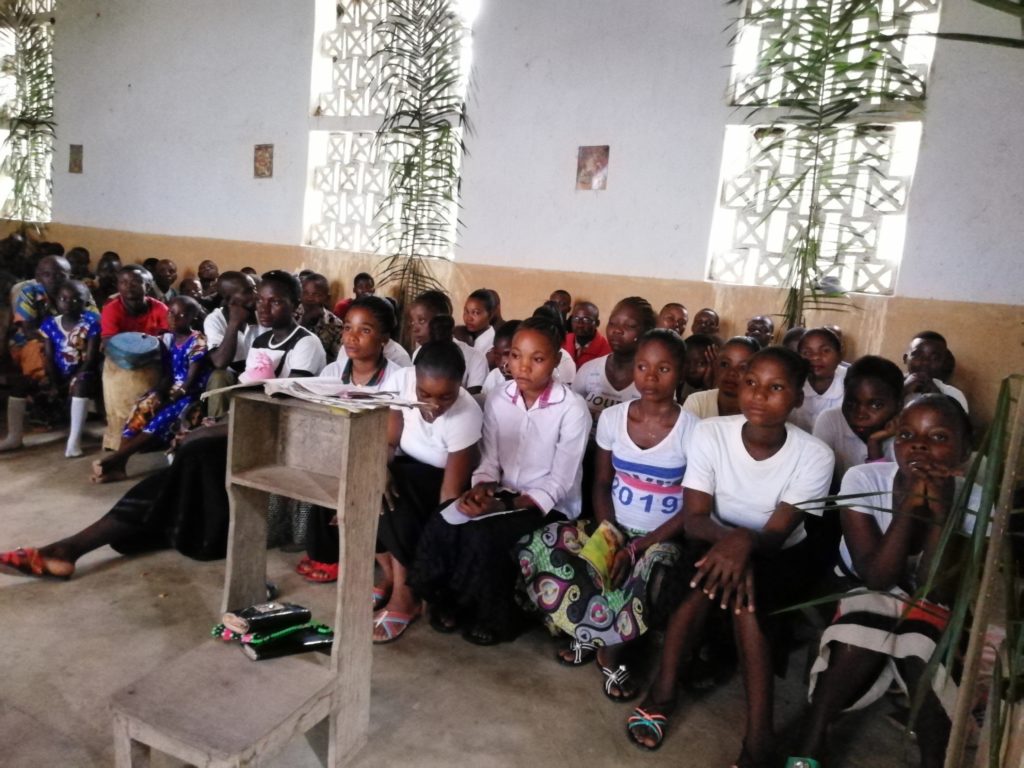
The initial stages of Bishop Toussaint’s project involve building a new school in the Yetsi region, with the construction of a school building with six classrooms and an administration office estimated at approximately €66,000. The provision of education facilities for the children of the area, and future generations, is priceless, and will provide a vital resource for a region that is currently locked in a serious struggle for survival.
CAN YOU HELP OUR MISSIONARIES IN THE CONGO?
Jan 23, 2020
A recent letter from Fr Richie Gomez, community leader at the MSC Centre of the Poor in the Philippines, expresses great joy and gratitude to mission friends in the Irish Province for the generosity and enthusiasm received following our 2019 Summer Appeal, which raised funds that have allowed the Centre to continue its wonderful work in the local community and beyond.
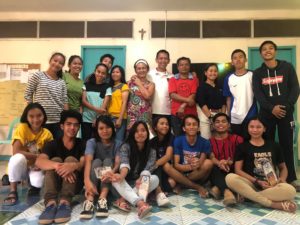
Fr Richie sent us an update highlighting the Centre’s most recent projects, which include:
- Spearheading a relief operation for survivors of a recent earthquake in the southern Mindanao region. Together with local volunteers, the MSC community from the Centre provided victims of the earthquake with 150 sacks of rice, 220 containers of water, 250 food packs containing dried fish, milk, sugar, juices, coffee, Milo (a nutritious tonic drink), soap for personal hygiene, laundry detergent, a blanket, and a mosquito net. The relief campaign took place in mid-November 2019, following three days of urgent preparation. A 10-wheeler truck and an Elf truck full of supplies accompanied MSCs and volunteers in two large vehicles on an 11-hour journey from Butuan to Makilala town in Cotabato, at the boundary of Kidapawan. Here, MSCs and volunteers distributed their aid packs to almost a dozen different local communities.
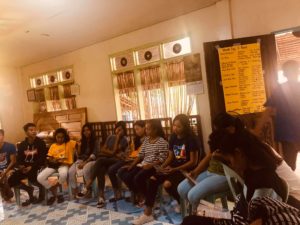
- A scholarship for disadvantaged youths, which is currently giving 20 students the opportunity to further their education and opportunities. Many of these students from the Lumad community (a local indigenous group) live in a boarding house near the university in Butuan City, while other students are staying in their own homes where possible, or with relatives. During their spare time, they contribute to the daily work in the Centre for the Poor, and each Sunday, they attend development workshops at the Centre, which focus on elements such as life skills, Bible studies, group dynamics and social skills, and environmental awareness. The beginning of the last academic year saw an influx of applicants for the programme; however, funds remain limited, and the MSC community at the Centre for the Poor continue to help as many youths as they can.
- An Honesty Store, operating as part of the Centre’s sustainability programmes. With a focus on green economics, the Honesty Store deals in organic Lumad products provided by different local tribes. This support small scale business locally, while also promoting livelihood programmes and employment opportunities to alleviate poverty in the region.
- The on-going renovation of the Centre, with a view to harnessing renewable sources of energy (including solar energy, wind energy, and bio-fuel), can now be completed thanks to the funds raised by our 2019 Summer Appeal.
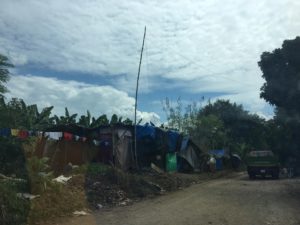
- Funds donated by the Irish Province will also allow the MSC community at the Centre to fulfil their plans for a Living Museum across a 4.7-hectare area, which will allow for reforestation in a region where natural resources have been plundered mercilessly for mining, logging, and plantations including palm oil.
“When I was sent here to establish the Centre for the Poor, my congregation and I were full of faith and confidence,” writes Fr Richie. “What makes that faith and confidence complete is the trust of those who also believe in our mission, and advocate our work. There is much to do, and it can be overwhelming, but everything is up to Him. ‘I am just a lowly servant of the Lord, be it done to me according to thy word.’”
“Thank you very much to the people of the Irish Province, whose hearts extend to people they may never know, and remain full of compassion for others.”
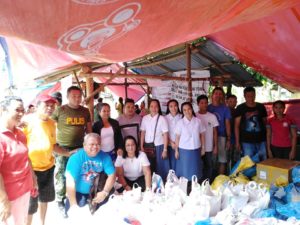
Images via the MSC Centre for the Poor and the MSC Mission Office Philippines, Inc. on Facebook
PLEASE SUPPORT OUR MSC MISSIONS IN THE PHILIPPINES
Jan 22, 2020
Parish of St Joseph of Bocay, Diocese of Jinotega, Nicaragua
MSCs in the parish of St Joseph of Bocay in the diocese of Jinotega, Nicaragua, are appealing for funds to build a safe and secure space for the MSC missionaries and the communities they serve in the area.
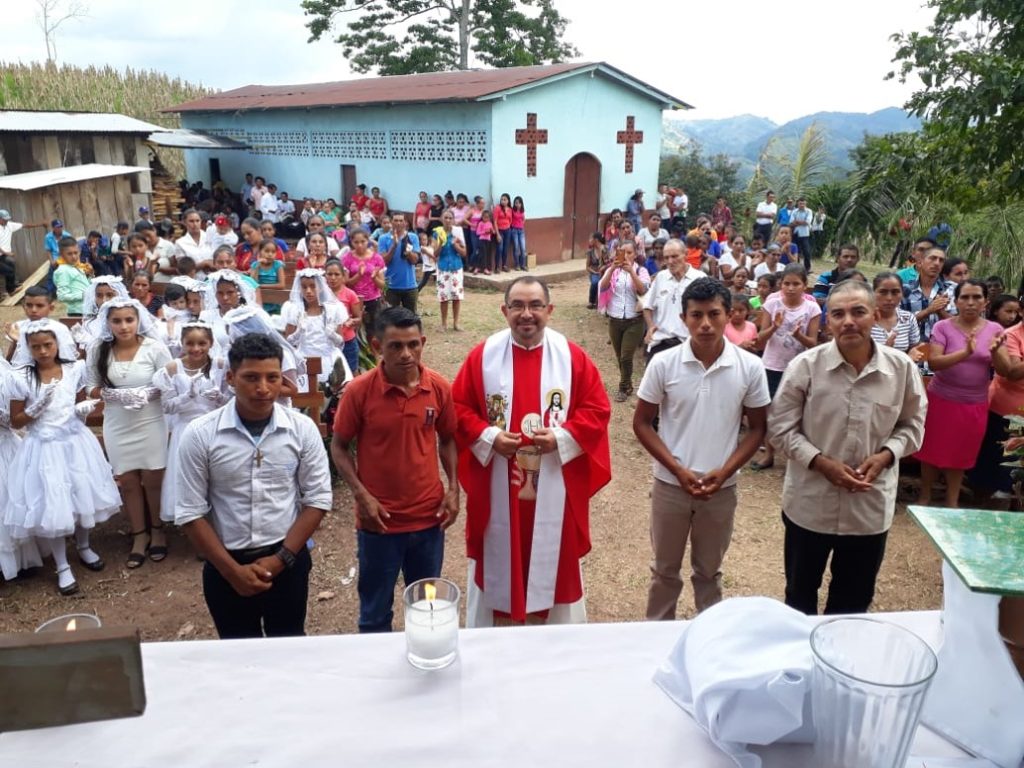
The parish of St Joseph of Bocay belongs to the diocese of Jinotega, situated in Northern Nicaragua, approximately 240km from the country’s capital, Managua. There are two parishes in the municipality, which has a population of approximately 66,000 people: San Isidro Labrador, and the parish of St Joseph of Bocay. St Joseph’s parish was established in 1992, and the Missionaries of the Sacred Heart have been ministering to 80 communities across the parish since November 2016. Of these 80 communities, only 30 have a church or chapel in which to gather together to pray, to reflect, to unite as a community, and to celebrate Mass and the sacraments.
The people of the parish suffer greatly with poverty and have very little. Agriculture is the main source is income for many, and for most, even this is not enough. Educational facilities are extremely poor, and there are very few resources available to local people. While the people of the region struggle to live without basic necessities on a daily basis, they find great strength and comfort in their faith, and our MSCs are living and working amongst the communities of the parish, ministering to their needs as best they can.
The scale of poverty in the area means that our missionaries face daily challenges in carrying out their pastoral ministry. Since they began their ministry in the area three years ago, our MSCs have been doing their best to carry out workshops, educational programmes, and pastoral work from a parish chapel, to improve the quality of life for local people. The construction of a parish hall would provide a secure and dedicated space for our missionaries to provide for the needs of the people of St Joseph’s in a far more effective and efficient way. Here, they will be able to train pastoral workers to address different needs and issues, have a safe and comfortable space for children’s ministry, educational workshops, catechesis, training programmes, and pastoral group work, and provide safe shelter for visiting MSCs who need a place to stay.
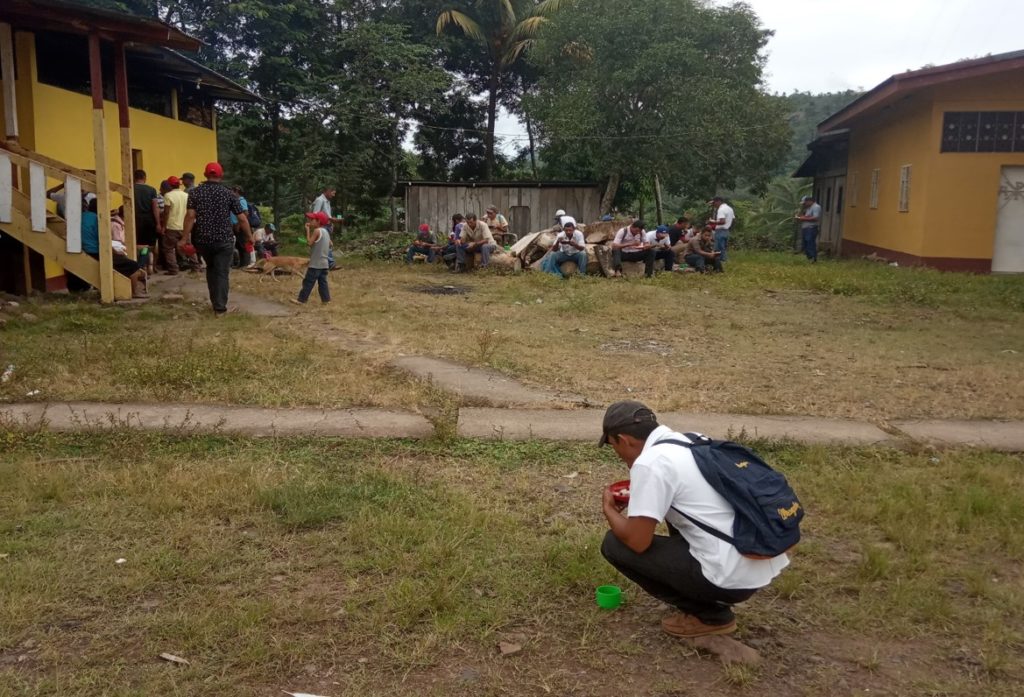
Our MSCs in Nicaragua are working daily to make a great difference with very little resources. With your help, we can provide them with the safety and security they need to continue to bring about positive change in an area of real and pressing need.
PLEASE SUPPORT OUR NICARAGUAN MISSIONS
Jan 22, 2020
Health and Education at Berea-Albion Football Club
Cougar Park in Pretoria, South Africa, is home to Berea-Albion Football Club and Academy, where disadvantaged youths are given hope and encouragement as they strive for a better future. The academy hosts up to 60 students at a time, with 50% coming from non-privileged backgrounds and 50% coming from more fortunate circumstances.
“The majority of disadvantaged youths in our development programmes are orphans, or they come from single parent families,” says co-founder Neil Bosman. “They have struggled with poverty, HIV/AIDS, abuse, alcoholism, and poor educational backgrounds.”
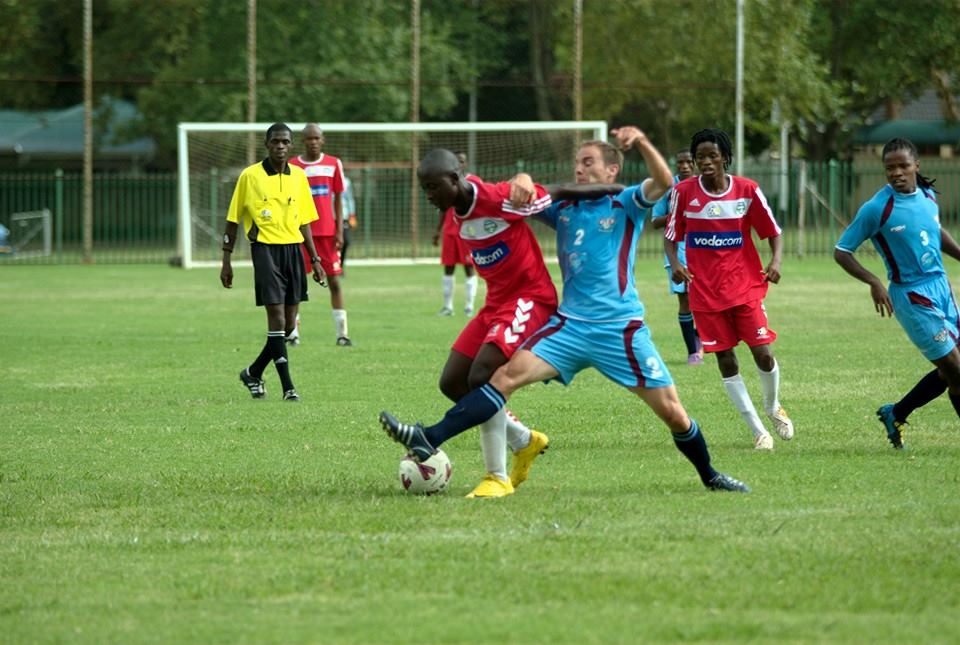
There are currently 21 former Berea-Albion students playing top-level football around the world. However, there is also an awareness that not all students will reach professional level, and every player is prepared for a successful future with the combination of educational, social, and health structures taught at the academy. Students attend Bosman College, where the focus is on providing “a sound education base” as well as full professional training in football.
The academy’s motto is “Passio Pro Perfecto” (a passion for perfection), and the Missionaries of the Sacred Heart have been glad to be able to support them in their great work in the past.
“We sincerely thank you for any support you can provide,” says Neil Bosman. “All donations are being put to very good use as we make sure that our young footballers are housed, clothed, educated, trained, and nutritiously fed at Cougar Park.”
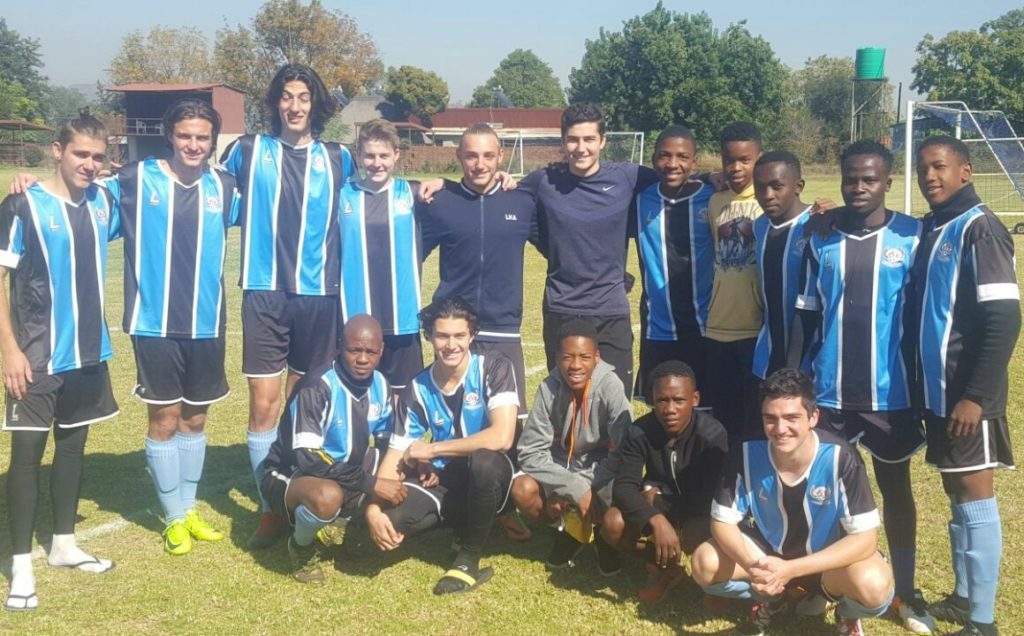
A donation of just €50 will provide a pair of football boots and a ball for a student,
providing essential tools in these invaluable youth development programmes.
CAN YOU HELP OUR MSC MISSIONS IN SOUTH AFRICA?
MSCs working with the Sisters of St Therese
A group of Sisters of St Therese from the Democratic Republic of the Congo are working with the MSC community in South Africa to minister to local communities in need of pastoral aid. Together, the Sisters and MSCs do great work in the area of Rabie Ridge, a very poor township in Ivory Park parish, located outside Johannesburg.
Many of the Sisters are qualified teachers, but they live on very little. They have no means of travel apart from public transport, making extended ministry more difficult, and they live on minimal food and provisions themselves.
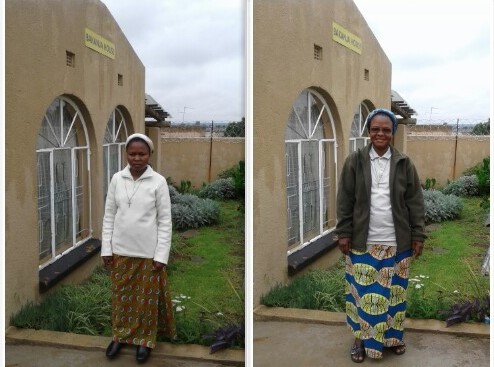
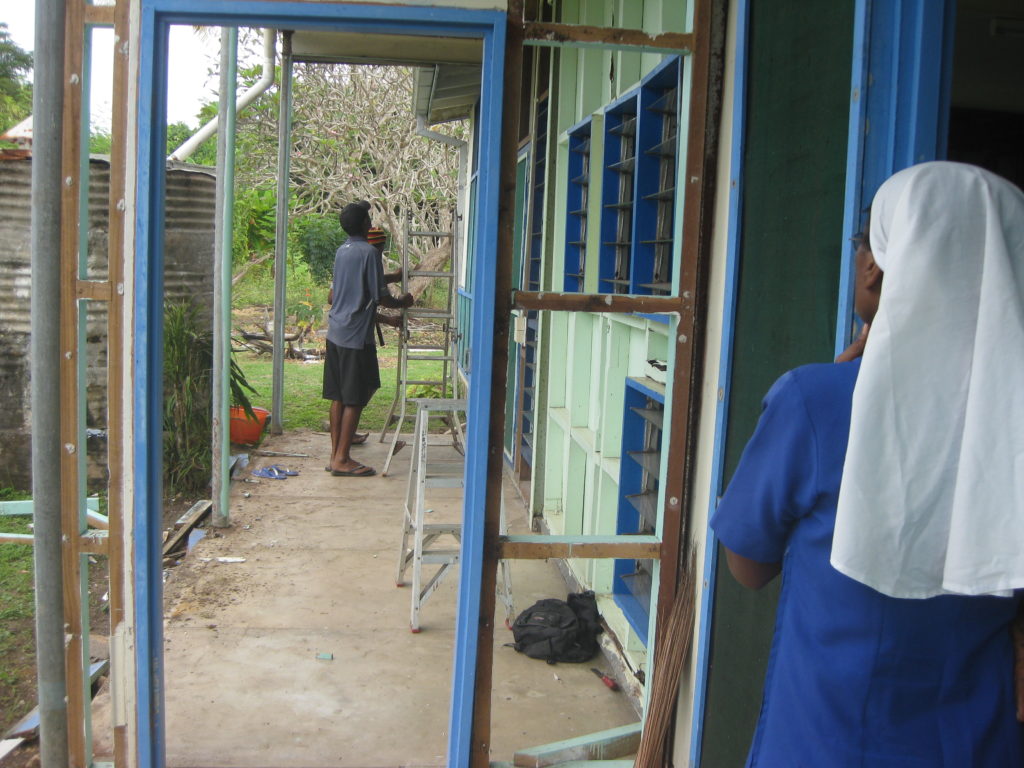
The house in which the Sisters live has recently undergone some repairs, as it was in a terrible state – particularly the roof, which regularly let rain in. The house is now in better repair, but the Sisters are still in need of a comfortable space in which they can pray. The extension of their chapel space is estimated at a cost of just over €1,500, and this will provide the Sisters with an essential place of prayer.
The Sisters also run a feeding scheme for children in local primary school St Gemma’s, with 25 children who have been orphaned or who come from vulnerable backgrounds taking part in the programme. From Monday to Friday, the children have a nutritious lunch at 11.00am; however, the Sisters are under real pressure to maintain this due to a severe lack of funding.
It costs less than €2 per day to feed one primary school child
– a total of just over €230 for a week’s food for 25 children.
A small donation can make a great difference.
PLEASE SUPPORT OUR MSC MISSIONS IN SOUTH AFRICA