Nov 6, 2018
While many children all over the world look forward to the school holidays with anticipation and delight, this is not always the case in regions where an education is not something students can take for granted, and school days can often bring a welcome break from the difficulties of home life. When they are not at school, many students of the Loreto schools in Rumbek, South Sudan, might only have as little as one meal in five days during the dry season.
The Loreto Rumbek blog shares some of the challenges that their students encounter when they are not at school, from hunger and hardship to the threat of not being able to return to their education.
School Holidays and the challenges they bring to our students
Child education for girls is an efficient strategy for breaking the cycle of intergenerational poverty and lifting families and communities from a place of marginalization. Thousands of girls are kept from school due to poverty, financial constraints, early marriage and conflicts in some areas in South Sudan.
For the lucky ones, their parents send them to school despite the challenges, not only as a chance to improve their futures, but also to boost the familyâs fortunes.

When Loreto Girls Secondary School breaks for holidays, the students have the chance to spend time with their families and relax from their studies. At the end of the short vacation students and staff alike return and press on together, as the Loreto family.
Some of the students come from far away places and the roads are poorly constructed and insecure, so the school hosts them over the holidays. During this time, the girls are provided with more freedom with school facilities to encourage them not to miss being home and also to enjoy the break. They get ample time for activities like volleyball, watching movies, singing, and dancing together.
But, they also do some work while here. In the morning hours, the girls are given some light tasks to perform. They earn a small stipend in return, which helps them purchase a few personal items. For those students who are in greater need of some extra money, for school fees or shopping, they are given specific jobs to perform.
As Collet explains, âI enjoyed the holiday at school. I also communicated with people from home so I donât miss home much. I did some little work and got some money which I used to buy soap and some other things. We also spend time with the other students harvesting groundnuts and making the school a better place for us like cleaning the compound. We relaxed as we enjoyed stories and movies after.â
Healing Programmes
They enjoy the stay and also have the chance to share life experiences and stories in groups of peers. With guidance from one of the school nurses, Nicole Hess, a group of girls attended a five-day trauma healing program. One of the goals was to help them learn how to manage their emotions during hard situations that directly affect their life, like forced marriages.
They also learn about suffering, grief, forgiveness, and resilience. Itâs a spiritually based program that teaches them to carry their burdens and suffering to the cross. It emphasizes that full healing can only come from God.
For those at home, the stay may not be that easy and the holiday can come with challenges. Some of the girls have to work hard to afford transport back to school and for personal effects. Others face threats of forced marriage which is a major challenge. They have to advocate for their own education with the hope of coming back to continue learning, so as to be ambassadors of hope to the larger society.

With the holidays comes uncertainty
According to Hellen Agapic of Senior Three, âMy holiday was a bit tough this time. My younger sister is 14 years of age and was forced to get married to a man who has 12 wives. My sister told me if sheâs forced to marry that man she will go to hiding. School has taught me the disadvantages of early marriages so I advised her not to accept. My father wanted cows to pay for the crime my brother committed. My father told me I will not go to school because I advised my sister not to get married or he will take me to the prison or I will also get married. I convinced my father to allow me to continue with education so as to have a bright future. When Sr Orla knew about it, she sent someone to talk to my father to allow me to come to school and he accepted.â
This is just one case. Although most of the girls report back to school, sometimes Loreto may lose a few students that do not return. It is always a risk when the girls go home that some may be forced to get married, having no choice but to succumb to this fate. Currently Loreto has many girls trying to attain their education.
The hope is that one day all young women in South Sudan will not only have the opportunity to go to school, but will supported and encouraged to pursue their education.

The Missionaries of the Sacred Heart are proud to support the wonderful work done by the Loreto Sisters for the young women of South Sudan.
For more photographs and further information about Loreto Rumbek, read the original blogpost, or visit their Facebook page.
You can also find out more about how MSC Missions work with Loreto Rumbek – and how you can help to make a difference to the young women of South Sudan.
Oct 31, 2018
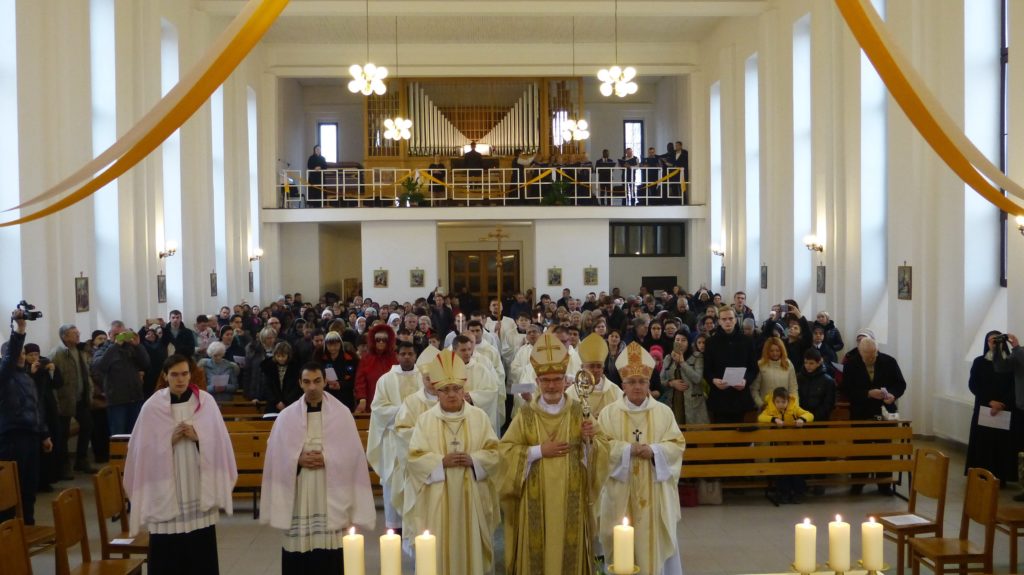
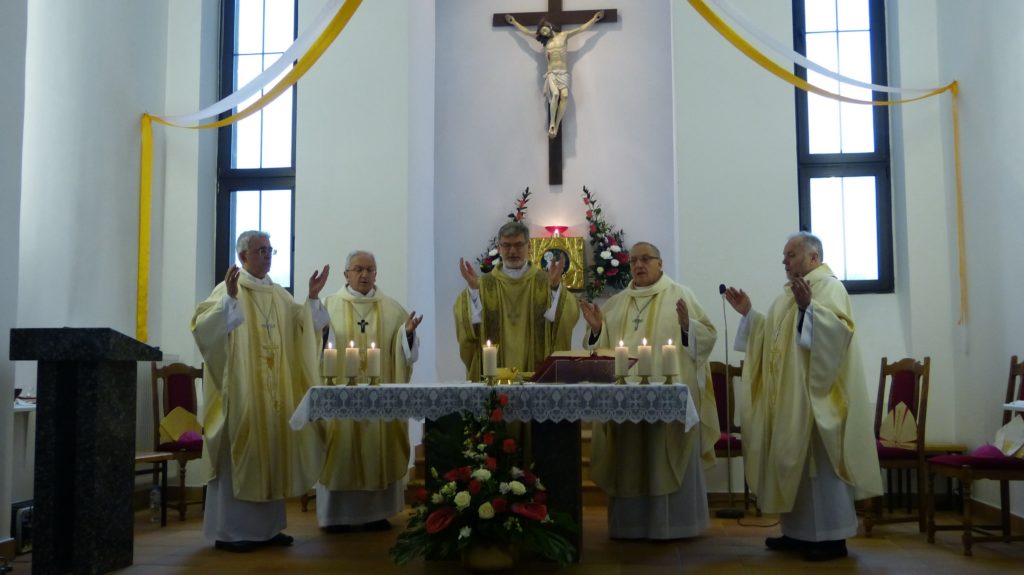
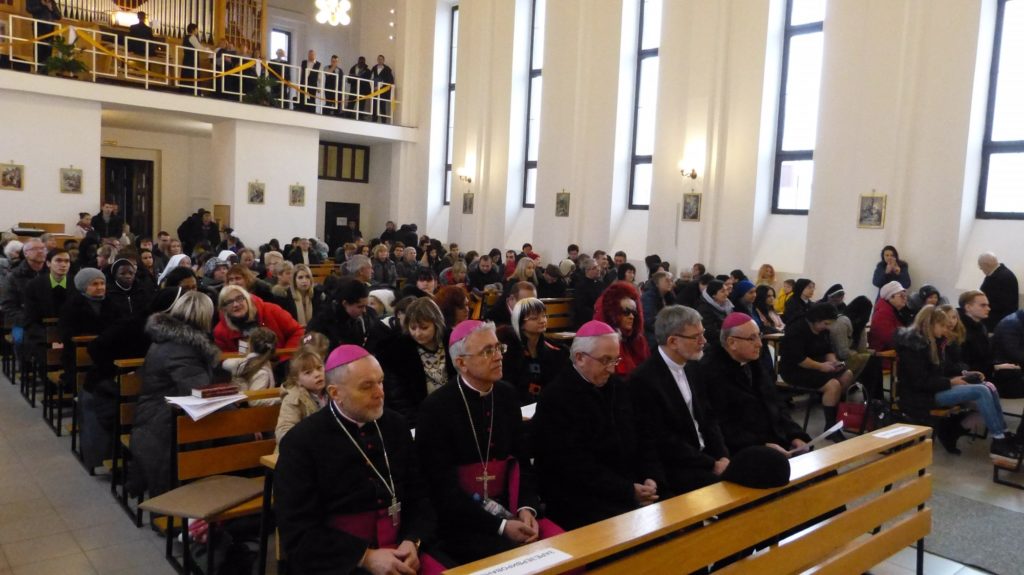
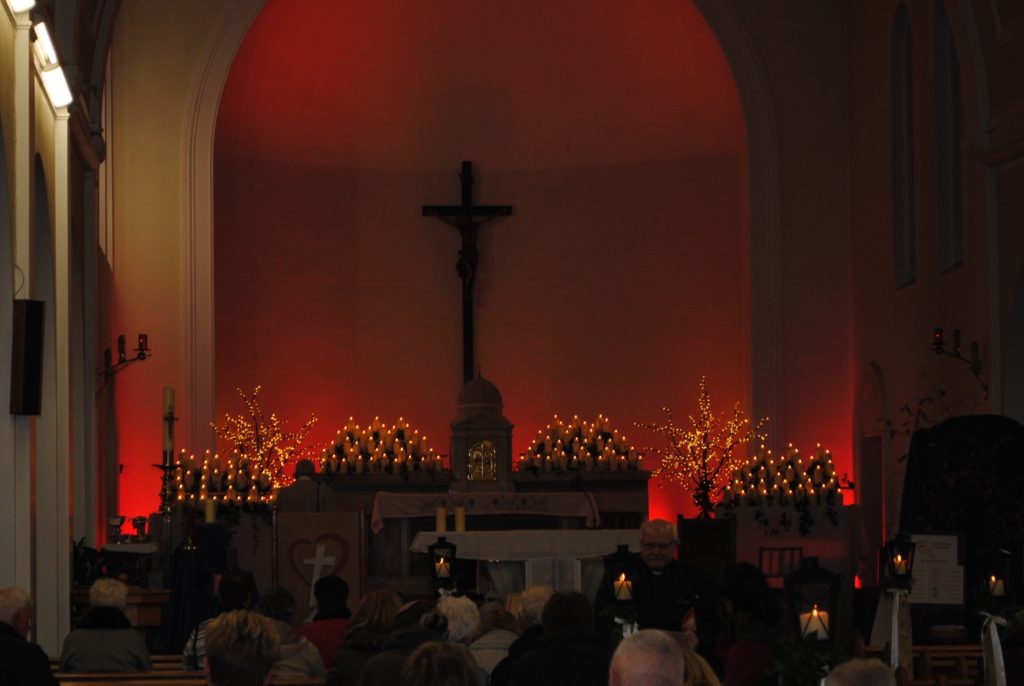
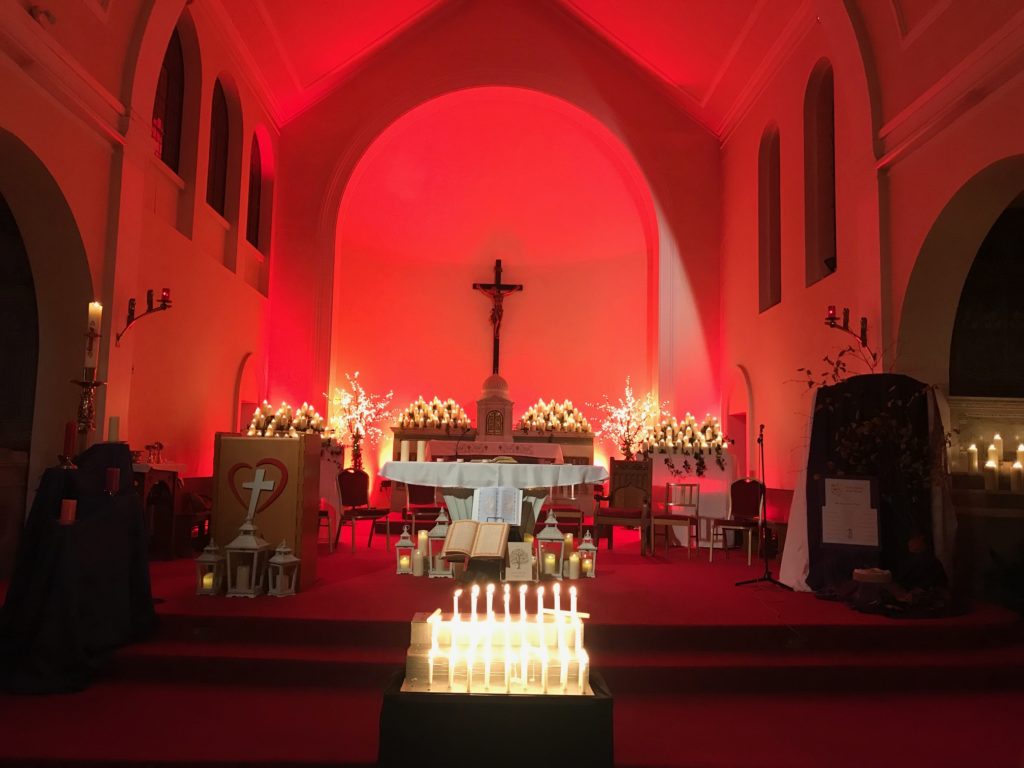
During the month of November, we take time to remember specially loved ones who have gone before us, and whose memory still burns brightly in our hearts and minds. Every year, the Missionaries of the Sacred Heart mark the end of the month of the Holy Souls with our annual Light Up a Memory Mass, a beautiful candlelight service that celebrates the memories of those we hold dear.

Each November, we invite our mission friends to send the names of their dearly departed for remembrance, and this list is kept on the altar throughout the month as we pray that they are granted peace in their eternal rest. This time-honoured tradition is a source of great comfort and solace, and the annual Light Up a Memory Mass is a wonderful way to mark the end of this month of remembrance.
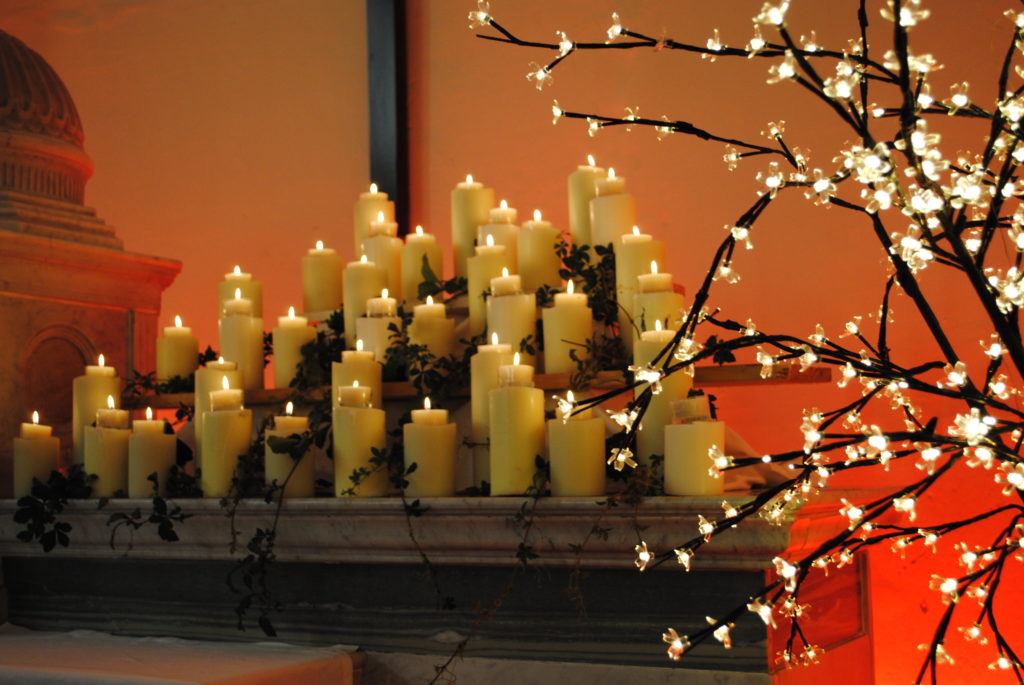
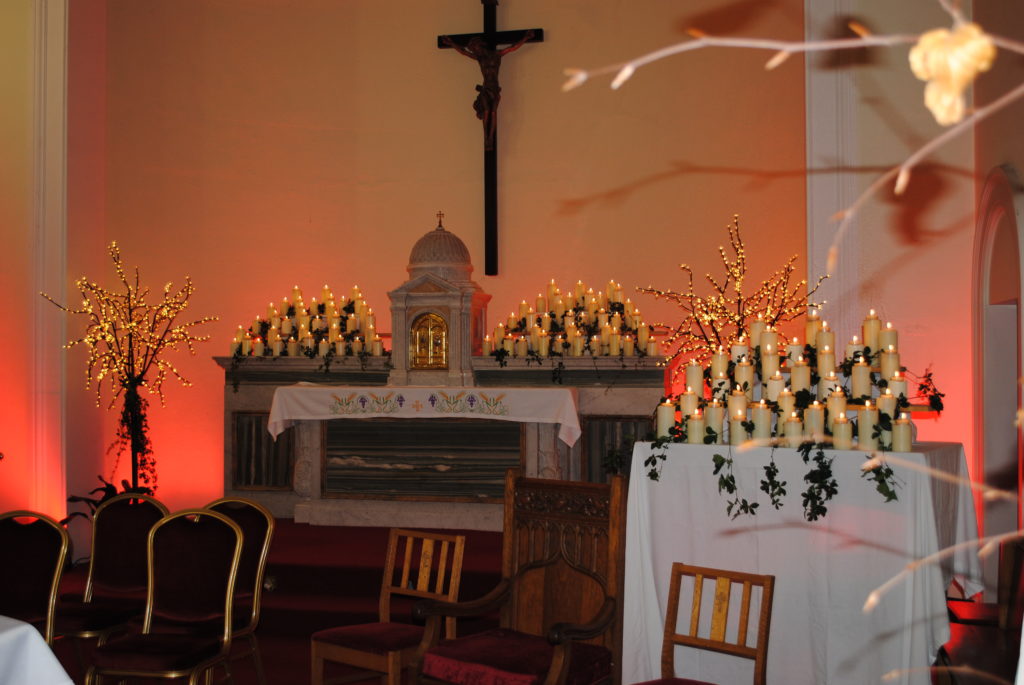
On this special night, the Sacred Heart Church will be a beacon of welcoming light in the winter darkness, illuminated by the glow of hundreds of candles. With uplifting choral music and prayerful reflections, we come together to pray by the glow of candlelight, with each flame burning brightly in memory of those whom we have lost.

âThis is a wonderful opportunity to remember those who are no longer with us,â says Fr Michael OâConnell MSC, Director of the MSC Missions Office. âThe light of a candle is a welcome sight on a dark winter night, and each of these flames is a beautiful symbol of remembrance in honour of the loved ones who are always in our thoughts.â
All are welcome to take part in this yearâs ceremony on Saturday, November 24th at 6.30pm. Tune into our live stream to watch this yearâs Light Up a Memory Mass live, along with all of the Masses for the Holy Souls throughout the month of November.
If you would like more information about our Light Up a Memory Mass, please contact the MSC Missions Office by phone on 021 4545704 or by email at info@mscmissions.ie.

Oct 26, 2018
In September, MSC Missons Office Director Fr Michael O’Connell MSC walked the Camino de Santiago for the first time. Walking approximately 113 km over five days, Fr Michael undertook the final stage of the Camino FrancĂ©s, or the French Way. Here, he shares his daily diary with thoughts and reflections from the Way.
Sunday, September 30th
Pedrouzo to Santiago
Distance: 19.8Â km
âOn the final day of my Camino journey, I was on the road at 5.45am, beginning my day in the darkness. I found myself walking through the darkness into the light, and realised just how important the light is to us.
That last morning, I set out before dawn; the sun didnât rise until around 8.00am, so I was walking through the darkness for over two hours before the light dawned. That two hours meant I didnât just walk from darkness into light, but through darkness into the light, and that makes all the difference. It put me in mind of aiming for a goal, any goal in life. Say your goal is to get married, and youâre planning a wedding. It will be a wonderful celebration, but you have to go through a certain period of preparation, often a period of challenges and struggles, to get there. For me, that day, my goal was to reach Santiago de Compostela, but it wasnât just a matter of leaving in the morning and getting there easily. First, I had to make my way through the darkness and get through the period of struggling before I could reach that ultimate goal.

In that period of darkness, I often found myself walking in the light of others who guided my way. Because I didnât have a torch myself, I would walk behind somebody else who had a torch or a headlamp, and they would safely guide my path. Once again, a reminder to us to be thankful to those who light our way in life in those times of darkness and confusion, and the light of the Lord that guides us safely home always.
That morning was also a lesson in taking stock. I was following a couple who were walking ahead of me, when they stopped to take a photo. They told me to turn around, and when I did, the most glorious sunrise was taking place over my shoulder. If I hadnât stopped to look back, I would have missed the whole thing â and what a fitting way to start the final day of the trip.
The last walk took me to Mount Gozo. Here, pilgrims get their first glimpse of Santiago. You can see the spires of the Cathedral of Santiago de Compostela all the way from here, and it is wonderful motivation to press ahead and jump the final hurdle.
One thing that really struck me along my journey was the abundance of little shrines that punctuated the roadside as I walked. This was particularly evident as I neared my final destination. People leave broken shoes, stones theyâve carried, and their own personal petitions, written down. They also leave photographs of themselves for other to pray over. Itâs a poignant reminder of all who have gone before us, and the burdens they carry along the way â and hopefully, the peace and resolution they have found at the end of their journey.
On entering Santiago, a tunnel leads pilgrims into the town square, where relief overcomes weariness and celebration is the order of the day! Here, I queued for just under an hour with other pilgrims to collect a certificate to say that I had completed the Camino.
I ended my Camino experience with the Pilgrimsâ Mass at the Cathedral, which is reputed to be the resting place of St James. Throughout the Mass, you can see pilgrims and tourists climbing the steps behind the altar to rub the saintâs head.
Everybody treats the experience with due respect and reverence, and the Cathedral itself is a sight to behold â especially the botafumeiro, the 1.5-metre-high thurible that dates back to 1851 and is so heavy that it takes eight men to operate it.
And so ended my Camino journey. There was a great sense of relief for me â yes, I could actually walk that distance. Yes, that I could once again do what I used to do in my youth, sleeping in hostels with the minimum of equipment. Along with this came the renewed awareness of how little we need to survive, or how little we can survive on, and that is something I hope to take home with me.
Would I do it again? Without a doubt! Next time, however, I might try coming from a different direction, perhaps the Portuguese Way⊠Until then, Buen Camino!â

Read more of Fr Michael’s Camino diary:
Fr Michael’s Camino Diary Day 1
Fr Michael’s Camino Diary Day 2
Fr Michael’s Camino Diary Day 3
Fr Michael’s Camino Diary Day 4
Oct 25, 2018
In September, MSC Missons Office Director Fr Michael O’Connell MSC walked the Camino de Santiago for the first time. Walking approximately 113 km over five days, Fr Michael undertook the final stage of the Camino FrancĂ©s, or the French Way. Here, he shares his daily diary with thoughts and reflections from the Way.
Saturday, September 29th
Ribadiso to Pedrouzo
Distance: 22.8Â km
âDay 4 of my journey saw me set off once again along ancient paths that have been walked for thousands of years. Along the road, I came to a stop where pilgrims could buy a bottle of beer and write their name on it, and the owners would display it for a year, so anyone who passed could see who had gone before them. It was such a popular idea that it had actually moved premises with the owners, who had to find a new place to set up shop after the rent on their previous premises had become too high. Itâs still going from strength to strength today, and it a lovely way to leave a marker, something of yourself, along a path that so many walk.
While walking, I realised how lucky I was to have such good weather on my journey. I could see tide marks on some parts of the path, where the water rises when it rains. I was blessed with sunshine, and avoiding trudging through puddles and floods!

On the road today I came across a signpost, indicating Santiago to the left and Lugo to the right. It struck me as somewhat entertaining that I flew into Santiago Aiport, then took a two-hour bus journey to Lugo, followed by a half-hour bus journey to Sarria. When I finally arrived in Sarria, I promptly set off in the other direction, on foot. Talk about going backwards to go forwards!

At the end of the day, just like the days before, my boots were coated in a thick covering of dust â and my once-black socks were now well and truly grey! On my Camino journey, I became very aware of shaking the dust off my feet. The Gospel speaks about doing just this (Matthew 10:14: âAnd if anyone will not receive you or listen to your words, shake off the dust from your feet when you leave that house or town.â). If you are rejected in a village, if the people there donât want to hear your message, you should leave â and when youâre leaving, you should shake the dust off your feet. All of the things you accumulate in that village, you give a good shake on the way out, and just go away out of the place leaving all of the negativity behind you.
The Camino experience is similar. You start off with nice clean shoes or boots, and at the end of the day, you see that theyâre covered in dust, things that you have picked up during the day without realising it. Itâs important to give them a good shake at the end of the day, to shake off the dust and debris youâve picked up along the road, and start off afresh the following day.
This really came into my conscious as I was travelling. We begin life with an ideal, and then life itself takes over. You begin to accumulate things around your life, and youâve forgotten that simple ideal, or the ideal you had in your youth. Itâs only when you take time out to stop and think that you realise, Iâm accumulating too many things here; I need to take time out and go back to the basics, take a step back.
This could take the form of the simplest things. The importance of a day off during the week, for example â the Sabbath experience. You stop your usual day-to-day schedule; you donât go to work. You shake off the dust of the week. You decide that today is a family day, a day when we do things together. Sometimes, you must say no to lifeâs demands. You might look at the time you spend with your partner or your family, and say no â weâre going to have a date night or a family night this Friday night. Itâs not just going to be a normal busy dinner time, weâre going to turn off the television and light a candle and share a meal. Weâre going to go back to basics.

Itâs important that we donât just do this when we go on retreat, or celebrate an anniversary or a special occasion. We must make it a day-to-day occurrence. We must shake off the dust of life and start fresh every day, with a basic appreciation of all that God has given us and the wonders that life has to offer us.
If thereâs one thing I stepped back and appreciated about today, it was the massage shower in the hostel at the end of the dayâs walk! It really is the simple thingsâŠâ

Read more of Fr Michael’s Camino diary:
Fr Michael’s Camino Diary Day 1
Fr Michael’s Camino Diary Day 2
Fr Michael’s Camino Diary Day 3
Oct 24, 2018
In September, MSC Missons Office Director Fr Michael O’Connell MSC walked the Camino de Santiago for the first time. Walking approximately 113 km over five days, Fr Michael undertook the final stage of the Camino FrancĂ©s, or the French Way. Here, he shares his daily diary with thoughts and reflections from the Way.
Friday, September 28th
Palas de Rei to Ribadiso
Distance: 25.6 km
âAs I walked along on the third morning of my Camino journey, I heard the unexpected sound of music playing at the crossing of a stream. On reaching the other side, a young lady came into view, playing Spanish bagpipes. She was a busker, out in the middle of nowhere, and it was a wonderful surprise for a weary pilgrim!

I paused for a while at the church of Boente Cruce, where there was a beautiful sanctuary with peaceful music playing. My guide book recommended this church, noting that the parish priest is especially friendly â and there was certainly a warm welcome to be found here.

I found myself walking along a particularly scenic stretch, where I stopped to snap a picture of the view. It looks like an idyllic scene â but what you canât tell from my photograph is that itâs right beside a motorway, so pilgrims can hear the traffic whizzing past as they walk. It didnât bother me too much; it struck me as being a bit like life. I could choose to hear the traffic and allow it to destroy my peace, or I could accept the noise as part of the hum and the energy of the place and enjoy the journey.
One thing I noticed along the journey was the struggles that some people had, and the way people helped each other. I saw one young man helping his elderly mother to walk the Way, and it was a joy to see them have such a special experience together. Some people were battling with real challenges, and their commitment to walking the path was amazing. There were people with bandages and strappings on their legs, and still, they were cheerful. That is an incredible element of the walk â the cheerfulness!

I stayed in Ribadiso da Baixo that evening, a hostel that was recently refurbished and opened to the public. It dates back hundreds of years and the location is stunning, next to a medieval bridge on the River Iso. It was a real treat to be able to bathe my feet in the stream after three days of walking. Itâs not possible to pre-book a bed here â the first 62 pilgrims to arrive on any given day can claim a bed, and I was determined to be one of them! At just âŹ6 a night, this hostel is non-profit-making, but is funded by the council and maintained by village volunteers.
Hostel living is certainly an interesting part of the Camino experience. The smallest dormitory I was in slept around 10 or 12 people, while the largest had space for 130 people. When you arrive, you must claim your bunk and the space around it, while also respecting other peopleâs need for space, too. A big challenge is trying to charge your mobile phone â itâs a challenge of Christian charity not to leave your own electronics plugged in to charge all the time! The next job is to shower after the walk of the day, and then wash your clothes. All of the hostels along the Way are well-equipped with laundry services, costing just a few Euro for use of the washing machine and tumble dryer.
Of course, I found I had packed more than I needed â just as we often take too much with us in life. You think, Iâll need a shirt in the morning, a shirt in the afternoon, and a shirt in the evening. Then you find that actually, you donât need all those clothes. I only need two, not three, or I can wash my shirts in the evening. We tend to live with a âwash one, wear one, spare oneâ lifestyle, but I found I didnât actually need the spare one; I could just wash one and wear one, and it worked away fine. Another lesson about carrying too much!
I had booked a room in a hostel nearby as a contingency plan, but luckily, I got to Ribadiso da Baixo early enough that I didnât need it and was able to claim a bed there. I enjoyed a lovely dinner and an early night; the bar and restaurant were dead by 9.30pm. Everybody had gone to bed, ready for another early start the following day.â
Read more of Fr Michael’s Camino diary:
Fr Michael’s Camino Diary Day 1
Fr Michael’s Camino Diary Day 2
Fr Michael’s Camino Diary Day 4
Oct 23, 2018
In September, MSC Missons Office Director Fr Michael O’Connell MSC walked the Camino de Santiago for the first time. Walking approximately 113 km over five days, Fr Michael undertook the final stage of the Camino FrancĂ©s, or the French Way. Here, he shares his daily diary with thoughts and reflections from the Way.
Thursday, September 27th
PortomarĂn to Palas de Rei
Distance: 24.8 km
âDay 2 of my Camino journey got off to a dramatic start, with thunder and lightning crashing and rolling from 7.00am. The skies soon cleared, and my journey continued on a stretch of almost 25 km, from Portomarin to Palas de Rei.

On the road, I stopped off at a place called Bar Trisquel, where I wanted to buy some batteries for my CD player. The people who ran the shop didnât understand what I was looking for, and eventually I showed them what I needed. As it happened, they didnât sell batteries, but the shop assistant disappeared into the back and returned with two batteries, taken from one of their own gadgets.
This is just one example of the wonderful hospitality I experienced along the Way. Pilgrims are welcomed with open arms, and unlike popular tourist areas here in Ireland, nobody is out to rip you off. A cup of coffee costs around âŹ1, a hearty lunch is about âŹ5, and pilgrims can get a full three-course dinner for âŹ10 â with a glass of wine included! Those you meet along the road are generally very welcoming, and the warmth of their kindness and hospitality â demonstrated perfectly by the gift of batteries â has stayed with me.
Once again, the scenery along the road was nothing short of breath-taking. Although itâs tempting to stop and drink it all in, itâs equally as important to keep moving, so you can hit your daily destination. It was a balancing act that put me in mind of finding balance in life itself. If I stopped and admired the scenery for too long, then I didnât move along the path. I could have spent all day looking at the sun rising and setting, or sitting having a coffee, looking out a lovely landscape â but the work wouldnât get done. Itâs important to appreciate whatâs around you, but if you lose yourself in it, youâre not moving forward.

In the evening, I went to the pilgrimsâ Mass at a beautiful church in Palas de Rei. Here, Spanish signs asked what we were searching for on the Camino, with reminders to speak to and listen to God. Beneath these signs were little baskets containing slips of paper in different languages. These pieces of paper were printed with encouraging messages like âYou are Godâs precious one,â and quotes from Scripture. They were a lovely thought to keep in your pocket and take with you along the Way, and this was a particularly nice way to end the day.â
Read more of Fr Michael’s Camino diary:
Fr Michael’s Camino Diary Day 1
Fr Michael’s Camino Diary Day 3
Fr Michael’s Camino Diary Day 4