Sep 20, 2017
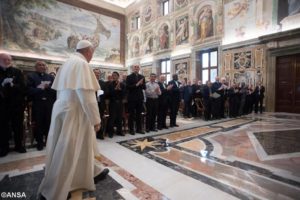 “Return to your first and only love,” said Pope Francis last Saturday, 16th September, during a private audience between his Holiness and the members of the 2017 General Chapter of the Missionaries of the Sacred Heart. In an uplifting, yet profoundly challenging address the Pope stated that as missionaries we are called to keep our “gaze fixed on Jesus Christ and learn from Him how to truly love with a human heart, to care for the lost and hurting members of his flock, to work for justice and show solidarity with the weak and poor.”
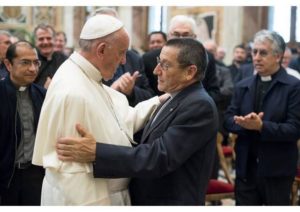
Pope Francis greets Fr. Paco Blanco MSC, an old firend from Argentina.
He was speaking to a group ready and open to hear his message. As we arrived that morning for the audience you couldn’t help but be awed by the surroundings of the Vatican buildings. Designed to impress, they did just that. However, in contrast to the stateliness of the architecture, the beauty of the frescos, and the livery of the Swiss Guard, Pope Francis comes across as a simple man. He entered in a low key way, smiling and acknowledging with gratitude the presence of missionaries from all around the world. It was clear he was a little tired, but he has a sense of authenticity and simplicity of presence that is both difficult to describe and utterly unforgettable. He was particularly enthused to meet an old friend of his, Fr. Paco Blanco MSC, the Provincial of our Spanish Province with whom he worked in Argentina. (more…)
Aug 22, 2017
In August 2017, the Venezuelan Community in Ireland reached out to Fr Joseph McGee MSC, who at the time was the Irish Provincial Leader, to thank the Missionaries of the Sacred Heart for our ongoing ministry in Venezuela, and to ask for our continued prayers as this troubled country looks to the future with hope.
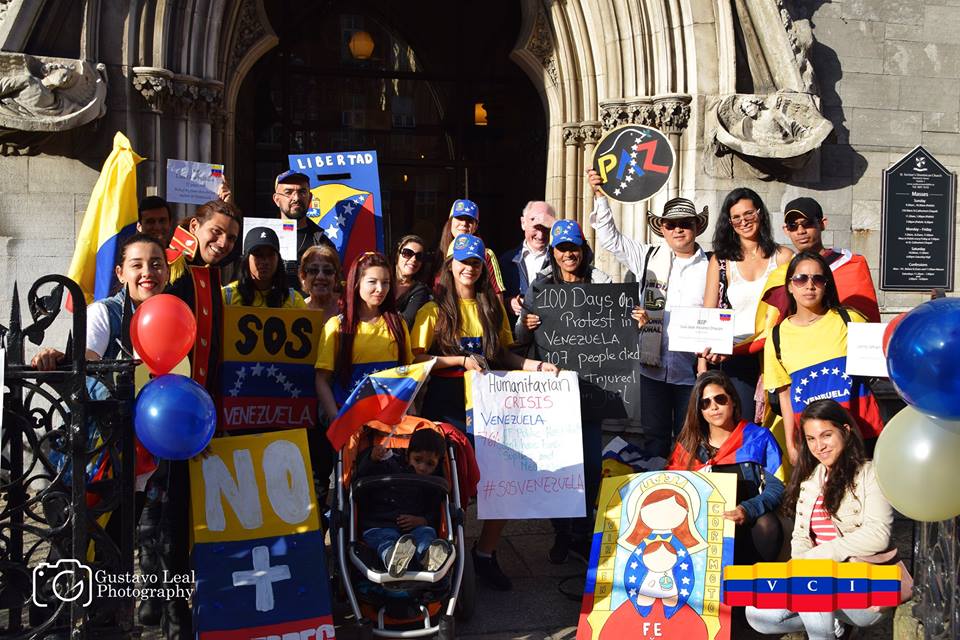
In the summer of 2017 the Missionaries of the Sacred Heart marked 50 years of ministry in Venezuela, and our MSC missionaries are currently the only Irish priests working to help local people in the region in the midst of this humanitarian crisis. In honour of our Golden Jubilee, this summer Fr Joseph visited our MSC missions in Venezuela and was struck by the conditions that local people are forced to endure on a daily basis.
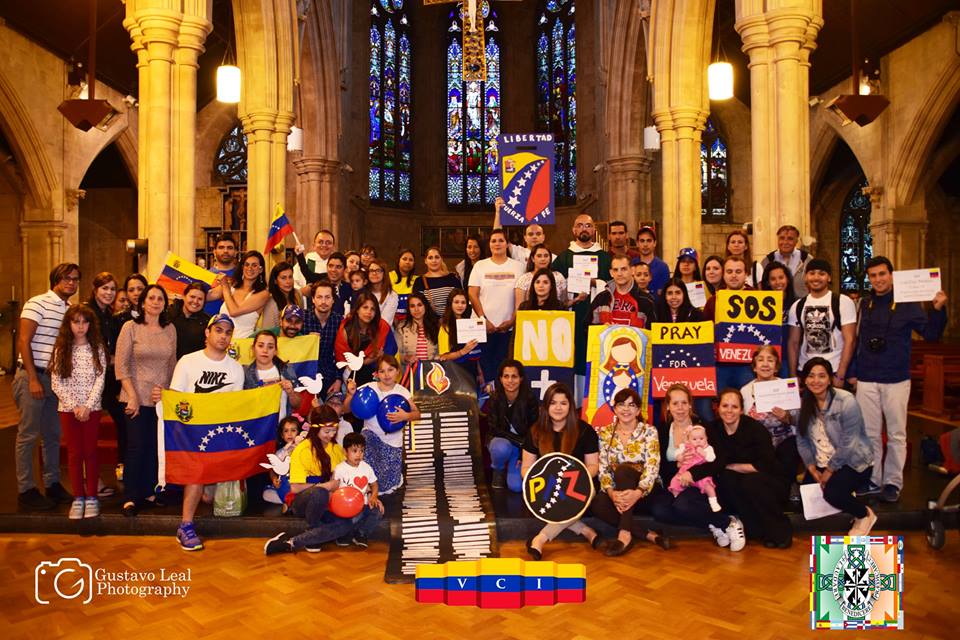
“Despite the chaos and misery that is in our country today,” writes the Venezuelan Community, “we have been blessed by having these priests adopting our homeland as their second home and providing their help and support in the cities of Maracaibo and Caracas.”
“It is important for us to let all the family of the Sacred Heart know how priceless is the sacrifice and commitment that you are demonstrating by staying there against the backdrop of conflict,” continues the letter.
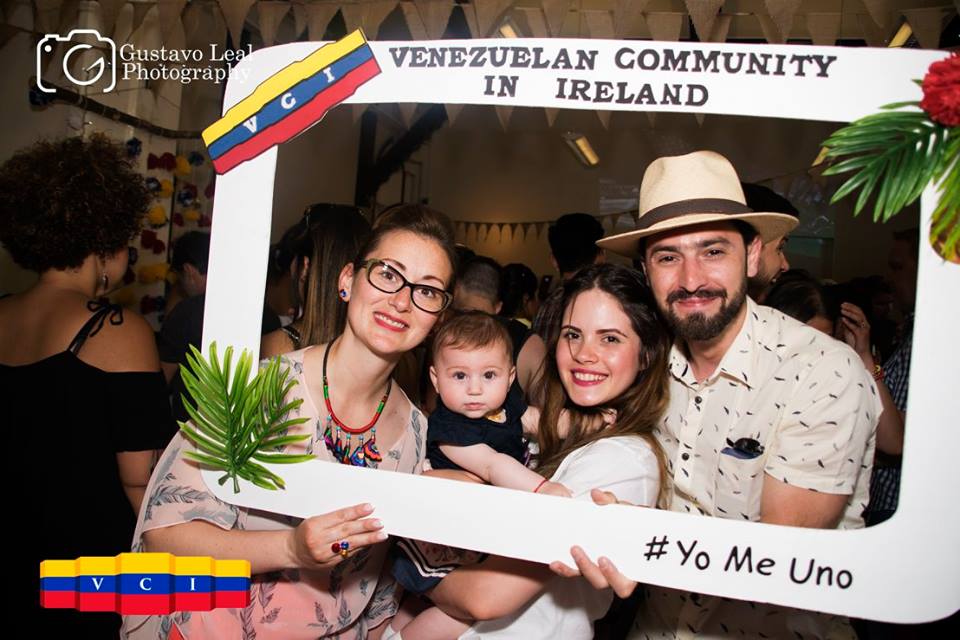
Venezuela is currently in a critical state, with severe food and medical shortages just the tip of the iceberg as the country struggles with social, economic, and political chaos. The Venezuelan Community in Ireland send their gratitude for the support of our MSCs and our mission friends across the world:
“A special word of thank you for not leaving our people and for supporting them with your pastoral work. In moments like this, all help is needed, but we firmly trust that if we continue believing in the mercy of God, this terrible moment will pass very soon.”
“Together, we are stronger and better. Please do not forget Venezuela.”
Aug 9, 2017
 The Commission was a project that came from a group of people with a passion for university mission in the UK. Originally piloted in Richmond 2016 (then Student Leadership Training), The Commission was a huge success among the seventy students who attended. They went away after three days with a new found enthusiasm and skill set for modern day discipleship on campus!
In 2017, it went to the next level. From the 9th until the 12th of July, the Commission was held in St Mary’s University in Twickenham, featuring speakers from the FOCUS college evangelisation team from the US.
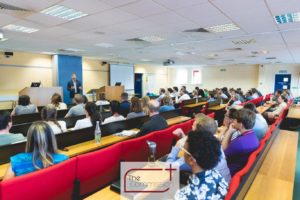 FOCUS (Fellowship of Catholic University Students) are a group inspired and conceived from Saint John Paul II’s call to “New Evangelisation”. Their mission is to simply live the great commission which Jesus instructed through student outreach on university campuses. Using tools they have developed specifically for the evangelisation of young people, FOCUS now have over 500 missionaries on 100 campuses in 36 of the United States of America. (more…)
Aug 8, 2017
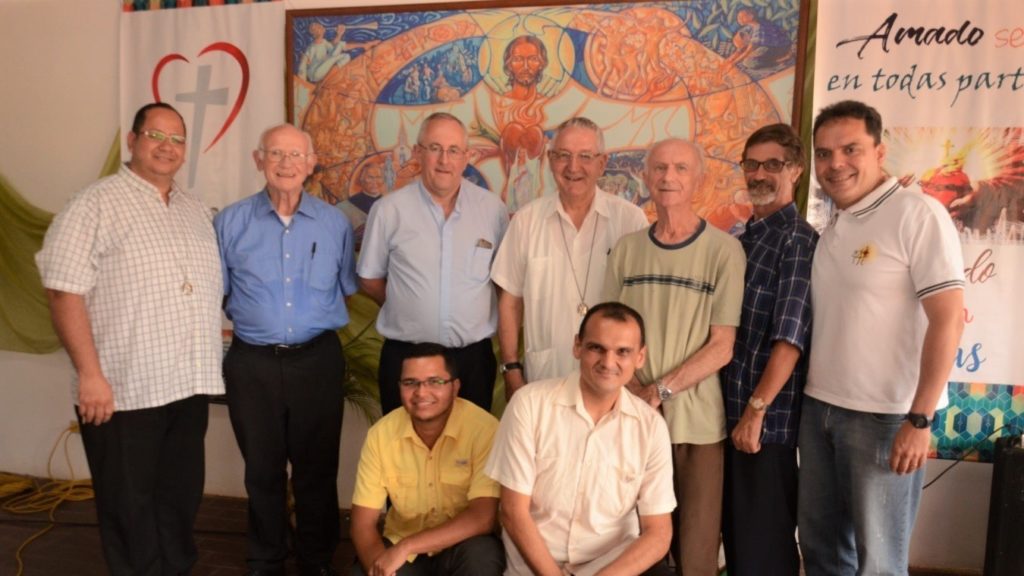
The summer of 2017 marked 50 years since the first MSC mission began in Venezuela.
Today, the Missionaries of the Sacred Heart are the only Irish priests working in this turbulent region, where social and political turmoil mean that daily life is fraught with danger and suffering for local people.
MSCs bring the message of God’s love to the homes and hearts of the people
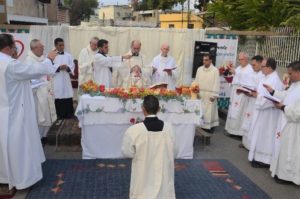
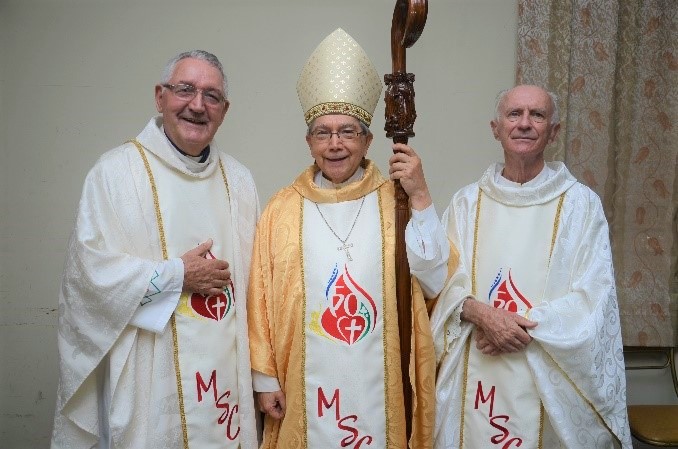
In June of 2017, Irish and Venezuelan MSCs joined together with local parishioners in Maracaibo and Caracas to commemorate the Golden Jubilee of the Venezuelan mission, which began in 1967. Celebratory Masses took place across the region, with a special outdoor ceremony in the parish of La Santa Cruz, Caracas, on June 17th.
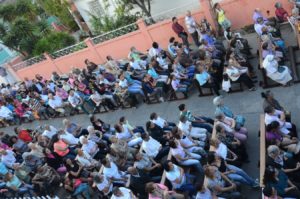
An altar was set up outside the parish church in order to accommodate the large crowds in attendance, reflecting the true essence of the MSC mission: to make God’s love known everywhere, and to everyone. Our mission is not limited to the church or the sacristy – our missionaries bring the message of God’s love to the homes and hearts of the people, no matter where they may be.
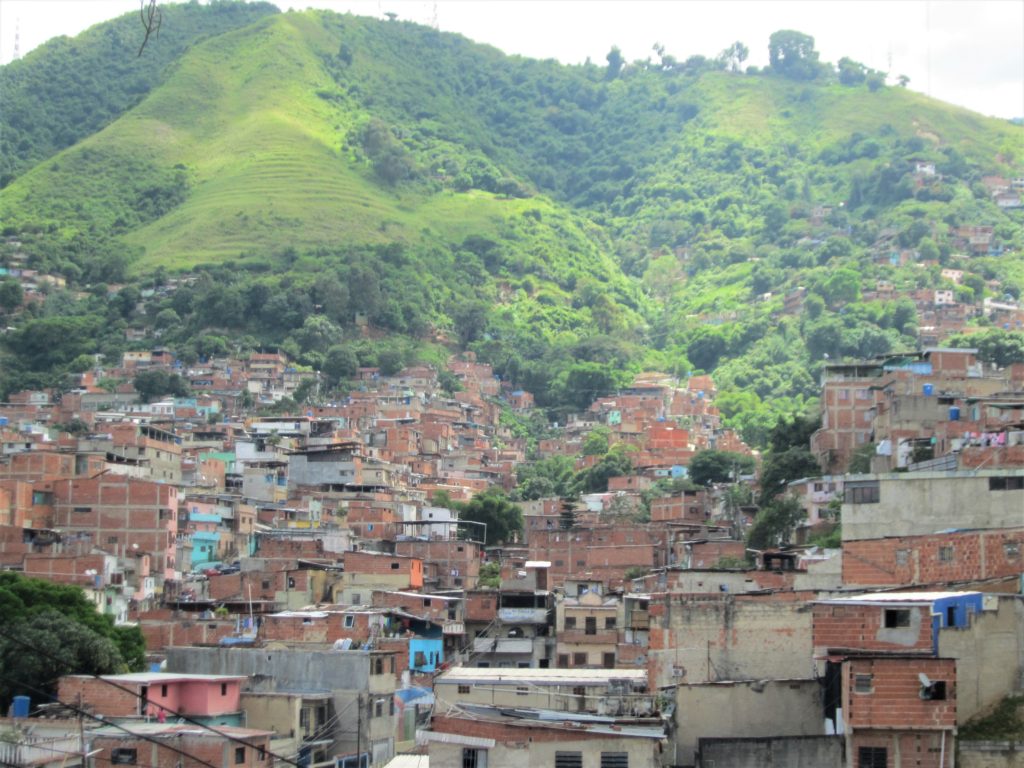
The Jubilee celebrations also commemorated Fr Joe Ruddy MSC, who is retiring from the Venezuelan mission after 50 years of dedication and service. In 1967, Fr Joe arrived in Venezuela with three Irish MSCs: Fr Eamonn Donoghue, Fr Vincent Screene, and Fr Tony Moran. Since then, Fr Joe and a growing community of MSC brothers have gone up into the hills and out into the streets of the barrios to minister to parishioners living in the slums, helping local people to take pride in their parishes as they work together with a renewed sense of unity and co-operation.
Looking to the future with hope
Today, Venezuela is a troubled land, one where poverty, hardship, and social and political unrest motivate young Venezuelans to go abroad to create better lives for themselves. During this time of great disorder and uncertainty, the MSC Golden Jubilee celebrations offered missionaries and locals alike the opportunity for reflection on the achievements that have been accomplished over the last 50 years, and hope for better things to come in the years ahead.
During his time as Irish Provincial Leader, Fr Joseph McGee MSC visited Maraciabo and Caracas to take part in the Golden Jubilee celebrations. Read more about his thoughts on our Venezuelan mission here.
PLEASE HELP US TO CONTINUE OUR VITAL WORK IN VENEZUELA
Aug 8, 2017
The summer of 2017 marked 50 years since our MSCs first reached out to help the people of Venezuela in 1967. To commemorate our Golden Jubilee Fr Joseph McGee MSC, during his time as Irish Provincial Leader, visited our Venezuelan missions in June of 2017. Here, he shares his thoughts on our ongoing mission as we look ahead to the future of this troubled region.
Fr Joe writes, “I have been coming here for the past 12 years and have had much food for thought on each visit. Nevertheless, on this occasion, I left feeling very disturbed by what I witnessed. The feeling of unrest is palpable in this region of social and political turmoil.
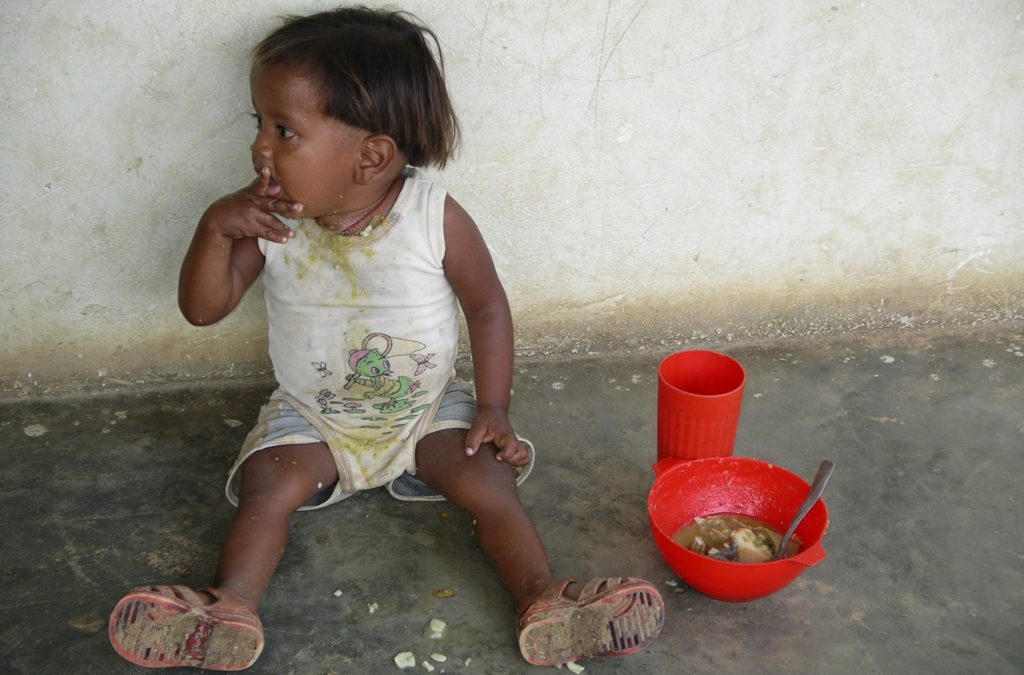
An inflation rate of 700% means that food shortages and exorbitantly high prices are the order of the day. Long queues in shops and at petrol stations are a regular occurrence. When, for example, word gets out that the local bread shop has bread for sale, people will queue for hours to buy a loaf of poor-quality bread.
Soap for personal hygiene or for laundry is a luxury item and is rationed. Clean water is a scarce commodity, and one is conscious when drinking filtered water that it too is in short supply and very expensive. The most difficult thing I witnessed was seeing people scavenge in the rubbish heaps for scraps that have burst through the overflowing rubbish bags and appear to be edible.”
“People are doing all they can to leave the country and start a new life.”
“Public transport is always dangerous and not for the faint-hearted. I was fortunate enough to travel by air between Maracaibo and Caracas. The single journey cost a mere €10, but in local currency, this is simply out of the reach of the vast majority of citizens who have to make the 12-hour journey by coach overnight.
Travellers on this arduous journey must endure at least one hold-up by the National Guard searching for drugs or illegal substances – saying nothing of the poor quality of the roads and the danger of armed robberies and hold-ups.
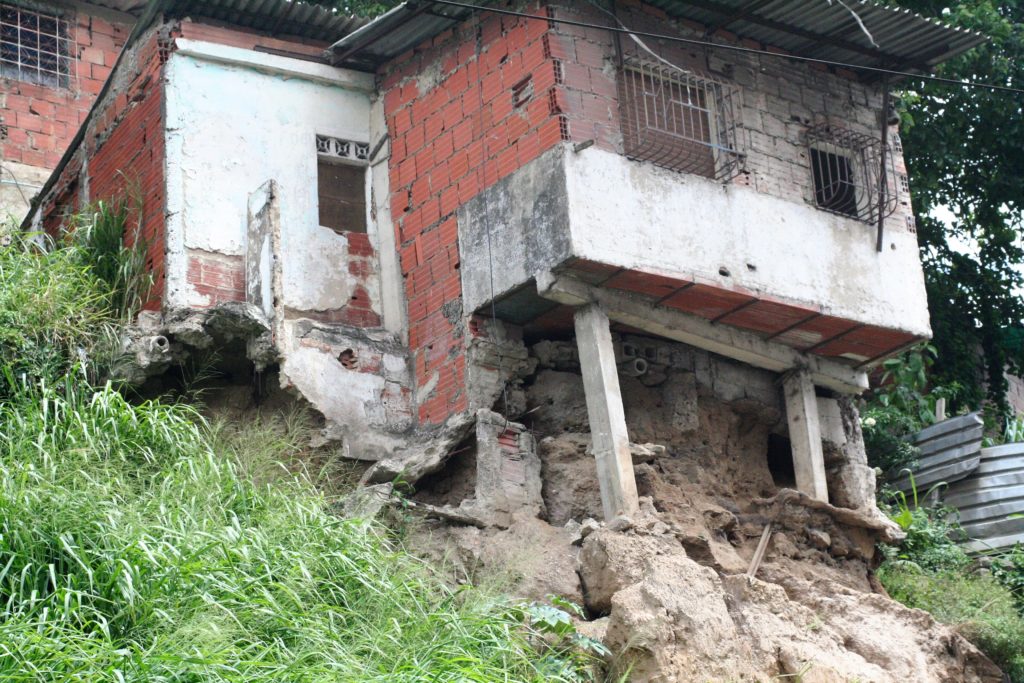
The average monthly wage of all citizens, whether they are school teachers or labourers, doctors or street sweepers, is the same and is standardised by the government. Medical necessities are scarce, and while doctors give prescriptions, patients will often find that the necessary medication is not available in the pharmacy. Poor public transport and lack of finances means that sick people or their carers find it extremely difficult to seek out a pharmacy that may have the required medication.
The political system is heavily weighted in favour of the government. TV and radio channels must be careful what they broadcast; if they make any criticism of the government, they can be shut down without warning. It is difficult for an outsider to understand the political system, but it’s clear that there is no such thing as freedom of speech – something that we would take for granted in any democratic society.
People who can get their hands on financial resources, usually sent from relatives abroad, are doing all they can to leave the country and start a new life elsewhere.”
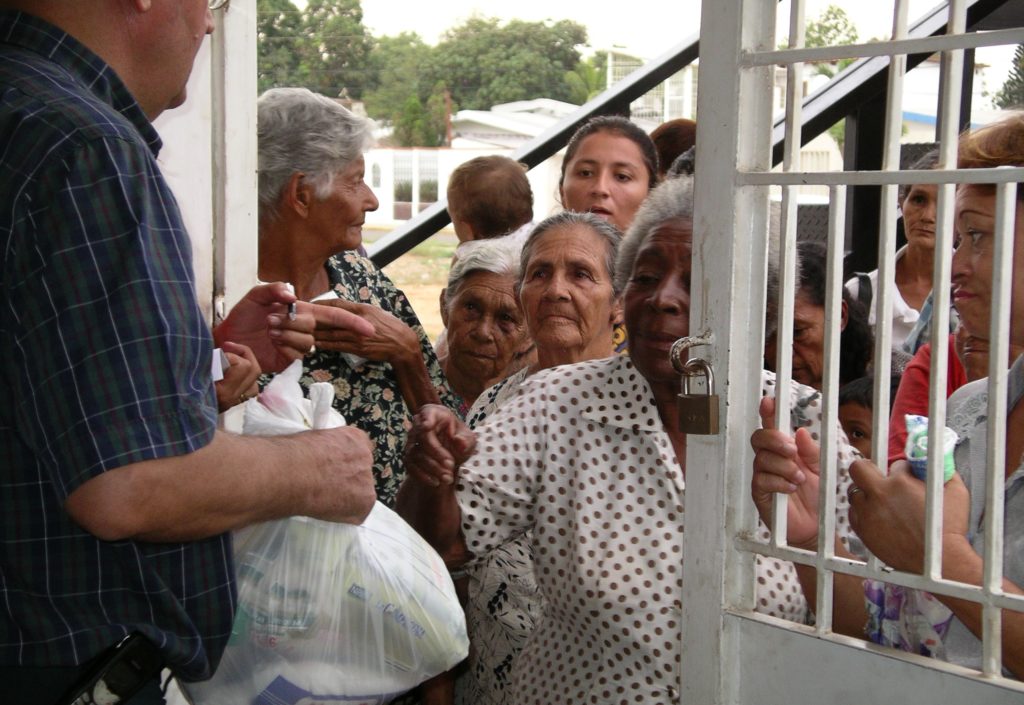
“It was a privilege to celebrate the Golden Jubilee with the faithful.”
“During all of this turmoil, the MSCs working in the region managed to gather and celebrate the Golden Jubilee of the MSC presence in this troubled land. It was a privilege to be with them, and with the faithful people who gathered for the celebrations in Maracaibo and Caracas.
 On behalf of the whole Province, I offer sincere congratulations to our MSC brothers, past and present, who have worked and continue to work in this beautiful but troubled land.”
Fr Joseph McGee MSC
PLEASE HELP US TO CONTINUE OUR VITAL WORK IN VENEZUELA
For more information on the current situation in Venezuela, BBC Radio’s Briefing Room has posted an informative discussion titled “Is Venezuela on the brink of collapse?”. Fr Joseph highly recommends this programme: “This discussion gives a brief and comprehensive understanding of the current situation in Venezuela where our men have been working for these past 50 years, and where they remain in solidarity with the people. This year, as we celebrate the Golden Jubilee of the presence of the Irish Province in that part of the world, I urge everyone to listen to this programme and to keep the Venezuelan situation in your prayers.”
For more about Fr Joseph’s experiences in Maracaibo and Caracas, read The Irish Catholic’s front-page feature on the ongoing work of the Missionaries of the Sacred Heart in Venezuela.
Aug 1, 2017
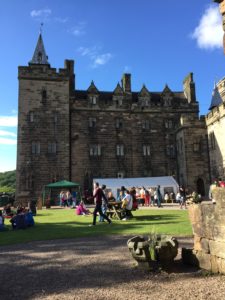
It’s a festival like no other – and it comes with its own castle!
Now going for over 20 years, the Brightlights Festival is an opportunity for young Catholics to come together – to have fun, listen to inspiring and engaging speakers, take part in interesting workshops, and hear some great bands and musical talent. All of this, with awesome times for prayer and encounters with the Sacraments!
The Brightlights Festival is a place where you can discover something more about yourself, others, and God in a safe and relaxed environment; a place where you can experience something of the depth and diversity of the Catholic Church, and share your own faith and experiences with others of the same age-group and outlook.
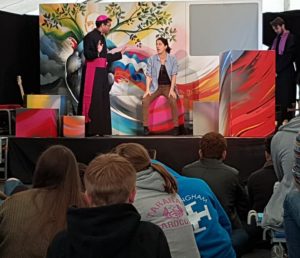
It’s about music, theatre, and dance… but above all, it’s about joy and faith.
Once again, the Missionaries of the Sacred Heart were there with our friends from Birmingham’s Kenelm Youth Trust in Alton Castle. It was a wonderful weekend meeting up with old friends and making new ones. The One Hope Project led the music and RISE Theatre performed their amazing production celebrating the life of Blessed Oscar Romero. (more…)