Oct 6, 2022
Welcome to the Winter 2022 edition of the MSC Message!
• Read a special greeting from Fr John Fitzgerald MSC, Director of the MSC Missions Office.
• Find out more about the latest updates from the MSC Centre for the Poor in the Philippines, where the MSC Centre for the Poor Agricultural Cooperative are working to bring brighter prospects to local communities, while nurturing and restoring harmony with the natural world.
• Catch up on the latest news from the mission fields, including updates from our MSC brothers in the Guatemala and Fiji, and our OLSH Sisters in Papua New Guinea and Burkina Faso, West Africa.
• Discover more about the work being done by MSCs in southern Haiti, where homes and communities must be rebuilt following a devastating earthquake in August 2021.
• Fr Alan Neville MSC writes from South Sudan, where he is currently ministering with the Loreto team in Rumbek.
• “Ordinary men answering an extraordinary call from God”: Read a message from Fr Con and Fr Tony, our Vocations Team.
• Find out more about recent celebrations in the Irish Province, where three of our MSC community recently celebrated 50 years of ordination at their Golden Jubilee.
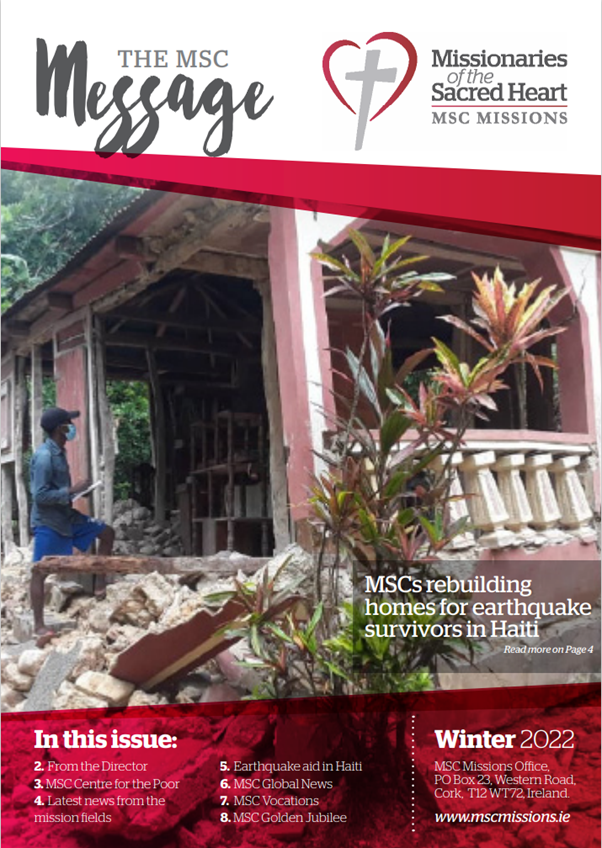
Read the Winter 2022 edition of the MSC Message
*
Oct 6, 2022
The Irish Province of the Missionaries of the Sacred Heart is delighted to be able to support the tremendous work being done by the Cancer Connect team in Co. Cork, with a recent donation of €25,000 facilitating the addition of a new car to their fleet.
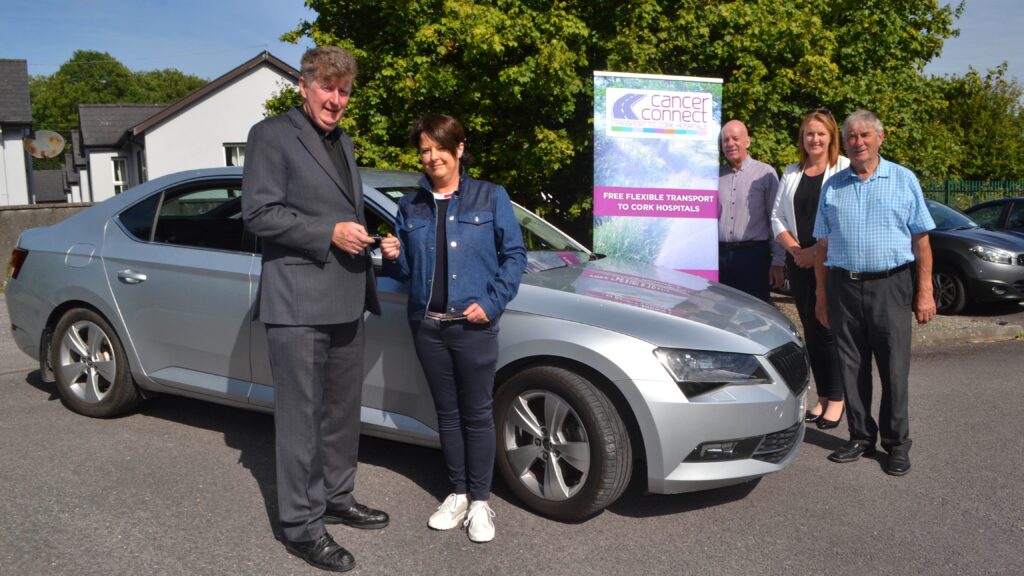
Fr John Fitzgerald MSC presents the keys of the newest Cancer Connect car to volunteer driver Majella O’Neill. Also pictured are Cancer Connect chair Neilie O’Leary (far right), co-ordinator Helen O’Driscoll, and board secretary David O’Brien. (Photo: Anne Minihane via Helen O’Driscoll, Cancer Connect co-ordinator.)
Cancer Connect is a charitable organisation that offers transport to Cork hospitals for passengers who need help getting to radiotherapy and chemotherapy treatments, as well as other related appointments. Founded in 2011 and run entirely by a team of over 250 volunteer drivers, the Cancer Connect website states that over 34,500 passenger journeys have been recorded to date, with services now extending beyond the initial remit of West Cork to the broader County Cork area.
A five-seater Skoda Superb has now been added to the existing fleet of five cars, based in Skibbereen, Co. Cork. Fr John Fitzgerald MSC, Director of the MSC Missions Office, recently met with Cancer Connect chair Neilie O’Leary, board secretary David O’Brien, co-ordinator Helen O’Driscoll, and volunteer driver Majella O’Neill, to officially hand over the keys to the new car.
The Cancer Connect team have expressed their sincere gratitude for the donation, acknowledging that the new vehicle will make a real and valuable contribution to the driving team and their passengers.
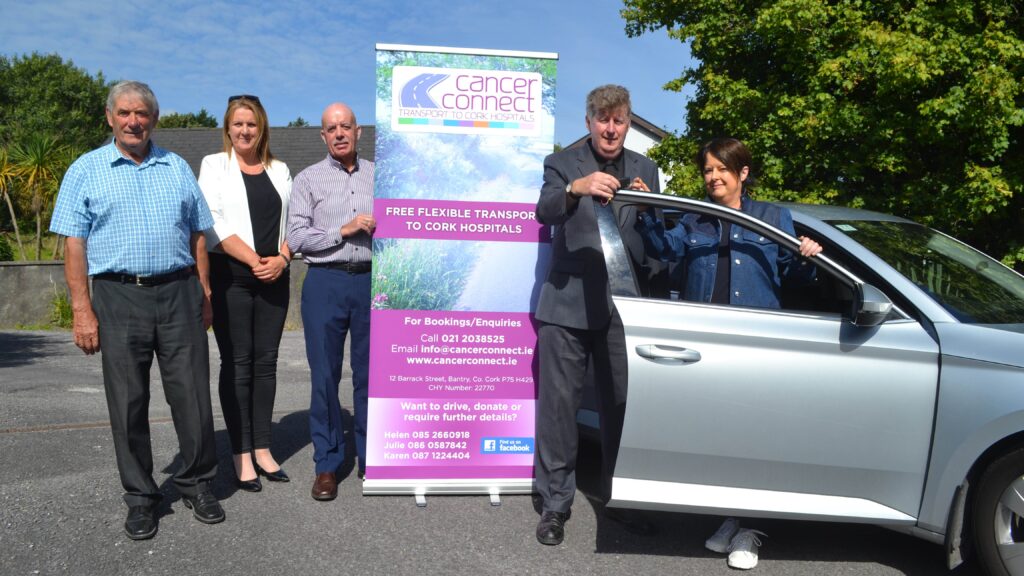
The Missionaries of the Sacred Heart are proud to support the wonderful work done by Cancer Connect in Co. Cork. Pictured L-R: Cancer Connect chair Neilie O’Leary, co-ordinator Helen O’Driscoll, and board secretary David O’Brien, with Fr John Fitzgerald MSC and Majella O’Neill, volunteer driver for Cancer Connect. (Photo: Anne Minihane via Helen O’Driscoll, Cancer Connect co-ordinator.)
Speaking of our friendship with the Cancer Connect team, Fr John Fitzgerald highlighted the vital work they do in easing the burden for those who are seriously ill.
“The Missionaries of the Sacred Heart have a close association with West Cork, and many MSCs have ministered there over the years, including myself,” said Fr John. “We are well aware of the distances involved to get to the major hospitals in Cork City for treatment, and the importance of being able to travel easily and without additional stress at such a crucial time. We are delighted to be able to help sponsor a vehicle that will be used to transport people easily from their homes to and from their places of treatment.”
“We wish the Cancer Connect team and their voluntary drivers well. We hope everyone will be safe, and we remember all who are ill in our prayers.”
*
Sep 29, 2022
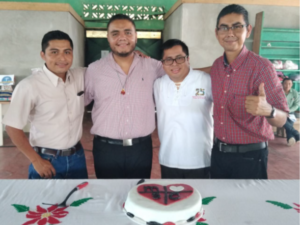
Over the summer months, the Irish Province of the Missionaries of the Sacred Heart has been working to support our MSC brothers in Guatemala, strengthening our long-standing friendship with the community at Centro Faustino Villanueva. A vocational centre dedicated to helping disadvantaged youths, Centro Faustino Villanueva was founded by the Missionaries of the Sacred Heart in 1984, in the rural region of San Agustín, Alta Verapaz.
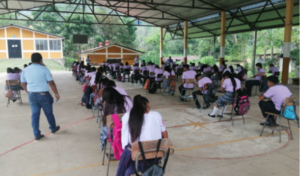
The Centre was the first of its kind in the region, bringing opportunities for education and progression to poor people with no other hope. The facility initially worked with adults who had previously lacked access to any form of education or professional development, and has since become a large school for children that come from impoverished backgrounds or vulnerable family circumstances.
The school is situated more than eight hours’ drive from Guatemala City, in an extremely remote area that makes travel difficult for students of severely limited means. Boarding facilities are available; however, the effect of the coronavirus pandemic has meant that the Centre has suffered greatly in terms of funding and resources, and so the facilities offered have had to be limited as a result.
Bringing dignity to the lives of vulnerable youths
Fr Jairo Uriel Sevilla Mendoza MSC, Director of Centro Faustino Villanueva, writes: “To our benefactors in the Irish Province, who always keep us in mind, in solidarity and support as we continue on the path to bring dignity to the lives of vulnerable youths. Once again, we send our gratitude for all you have done by supporting us in our ongoing mission. Thanks to you, we are continuing to improve our educational facilities, and accommodating more young people who need the help of our establishment.”
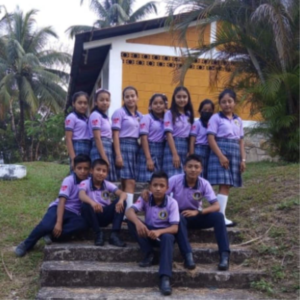
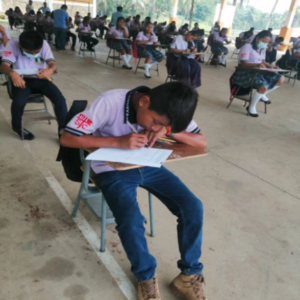
“The year 2022 has been a new learning experience for us all, for many different reasons. The COVID pandemic continues to affect our population, and new protocols have been put in place by the Ministry of Education here in Guatemala. The economic reality of this has meant that the basic necessities are all costing more, among other factors. Faced with this reality, we have found ourselves having to work with a smaller group of students; we are currently working with a group of 70 students every day, and have arranged our rooms in accordance with government protocol for the safety of everybody in our establishment. It has been very difficult to turn away some students, as we always have waiting lists, even at the best of times, but all we can do is help as many young people as we safely can now.”
“At the moment, we have First, Second, and Third Basic years, and two specialised programmes in Business Administration and Intercultural Bilingual Education. Last year, in 2021, we took 200 students on a hybrid basis, where they came to school every fortnight. However, this proved to be extremely complicated, as in many of the students’ villages, there is no access to computers or the internet. In the end, most of the students graduated to the next level, as the Ministry of Education put in place an agreement whereby all students had to be promoted to the next grade; however, the issue is that these students do not necessarily have the required level of knowledge to graduate, due to all of the restrictions in place during the academic year. Therefore, we made the decision to take fewer students this year, in order to give each student more personalised attention in the space that we can use, and reinforce their level of learning.”
Generating positive prospects for disadvantaged students
The community at the Centre has been working on the establishment of an agricultural programme, which works on a dual level of benefits: students are learning new skills in the cultivation of vegetables and the care of livestock, which brings with it the potential for future job opportunities, while they are also contributing to the stock of food for the school, reducing costs there.
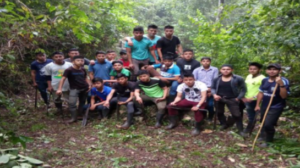
“We continue to move forward and feel happy and grateful for all that has been done,” writes Fr Jairo. The Irish Province of the Missionaries of the Sacred Heart are currently supporting Centro Faustino Villanueva in the development of several different projects, which will help the community at the Centre to continue in the fundamental work that they do in generating positive prospects for the young people of the region, including:
- The continued development of the school’s agricultural programme, incorporating poultry, pigs, cattle, and vegetables. MSCs at the school are continuing their work in the development of a programme that will provide students with invaluable life skills, while also contributing to school costs in the future.
- Development of the rubber and teak plantations that are currently located on the property. Due to a lack of resources, these facilities are currently not being utilised fully; however, if they are properly maintained, these plantations will be able to generate a good source of income for the school. MSCs are the Centre are currently working to clean and prune the plantations, and to buy the necessary equipment to utilise them to their full potential
- Repairs and maintenance of two cisterns that serve the Centre. Over the years, they have deteriorated and are now leaking water. A fundamental necessity, both cisterns need to be repaired to ensure the safe provision of water to the school and MSC house.
- A scholarship being put in place for students who come from particularly difficult backgrounds, where some have lost one or both parents, and others are coming from circumstances of severe poverty.
- The provision of improved bathrooms and showers at the Centro Faustino Villanueva. As well as accommodating students, the Centre often facilitates pastoral care workers from the parish of San Agustín, and the current bathroom and shower facilities are inadequate in terms of space and hygiene.
- The implementation of technical courses and workshops, in conjunction with INTECAP, a facilitator of different technical workshops, in order to teach students new skill sets that will equip them with the ability to qualify for a wider range of jobs in the future. As with the agricultural programme, this aims to provide students with training and key tools to bring new skills home to their own villages and communities.
Please keep the community at Centro Faustino Villanueva in your prayers as they continue in their mission to bring hope and dignity to disadvantaged youths and their families in rural Guatemala.
IF YOU CAN, PLEASE SUPPORT OUR GLOBAL MISSIONS
Sep 22, 2022
Warmest congratulations to our MSCs Fr John Jennings, Fr Charles J. Sweeney, and Fr Diarmuid O’Murchu, who each celebrated their Golden Jubilee this summer.
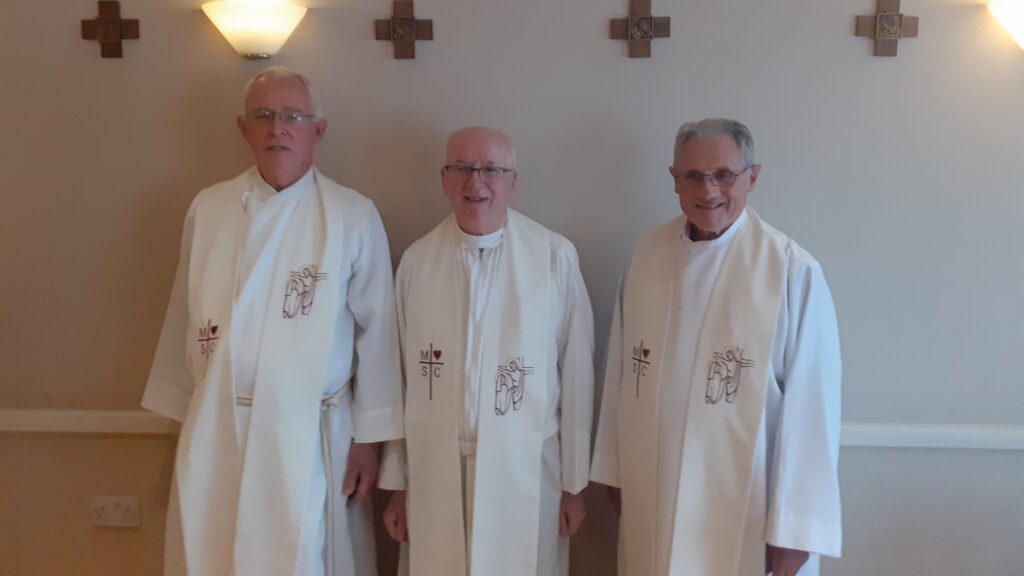
Golden Jubilarians (L-R): Fr John Jennings MSC, Fr Charles Sweeney MSC, and Fr Diarmuid O’Murchu MSC
On August 23rd, each of the three MSCs celebrated 50 years since their ordination, with their Sacred Heart brothers on the Western Road, Cork. A beautiful Jubilee Mass was followed by a special celebratory lunch, attended by MSCs from across the southern communities.
Fr John is originally from Cork City, and has spent much of his missionary life ministering in Caracas, in Venezuela. Fr Charles, from Ardara in Co. Donegal, is currently based in Galway, where he is dedicated to pastoral ministry in Salthill. Fr Diarmuid, originally from Inchigeela in Co. Cork, is now based in Dublin, and is well renowned as an author and social psychologist.
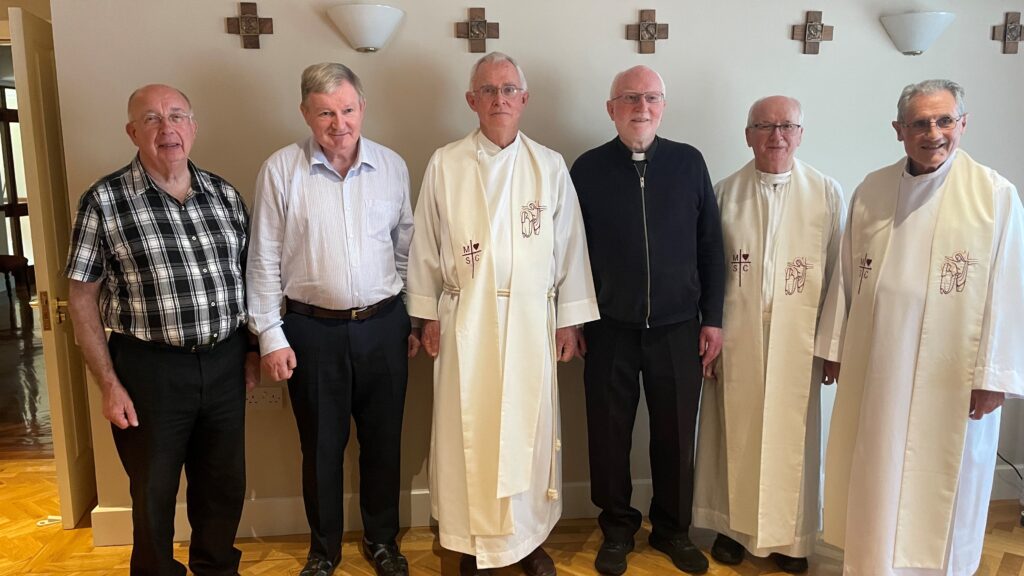
Golden Jubilarians celebrate with their MSC brothers on the Western Road, Cork.
Director of the MSC Missions Office, Fr John Fitzgerald, joined the Jubilarians on the day, offering his congratulations and good wishes:
“These are three MSCs who were ordained on the same day; they have completely different sets of gifts, they have travelled different roads in their ministries, they have each served very different groups of people, and yet, they still share one ambition in life – that the love of God will be known and experienced throughout the world.”
“At the Jubilee Mass, the benefactors and friends who supported the education and subsequent ministries of our three MSCs were remembered and prayed for in a very real way,” continued Fr John.
Our prayers and blessings echo Fr John’s as he says: “I wish our Jubilarians well, I wish them good health, and I pray that they will continue to serve their call for many years to come.”
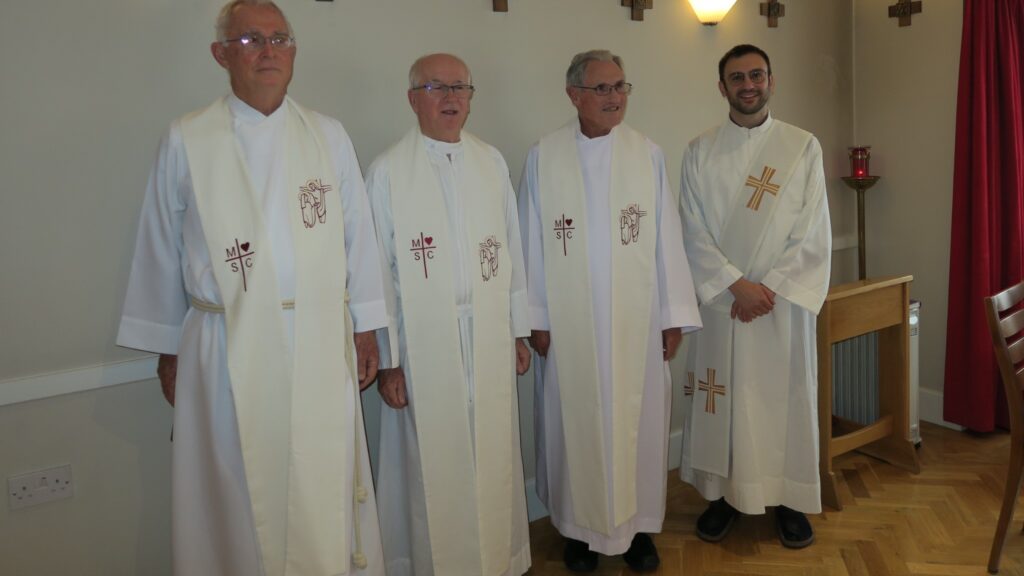
The old and the new, together in harmony: MSC Jubilarians celebrating 50 years, with Br Giacomo Gelardi MSC (far right), who is preparing for his ordination to the priesthood in November,
A true commemoration of fellowship and unity, the Jubilee celebrations were a wonderful opportunity to recall the challenges and triumphs of the years gone by, and to look ahead to a future filled with hope, promise, and enduring love. We join Fr John in congratulating the Jubilarians, with every blessing on 50 years of dedication and care in their ministry, and with every good wish for enduring health and happiness as their individual and shared journeys continue.
*
Sep 15, 2022
Sincere thanks to all who participated in our 2022 Novena to Our Lady of the Sacred Heart, which took place from Tuesday, August 31st to Wednesday, September 8th at the Sacred Heart Church on the Western Road, Cork.
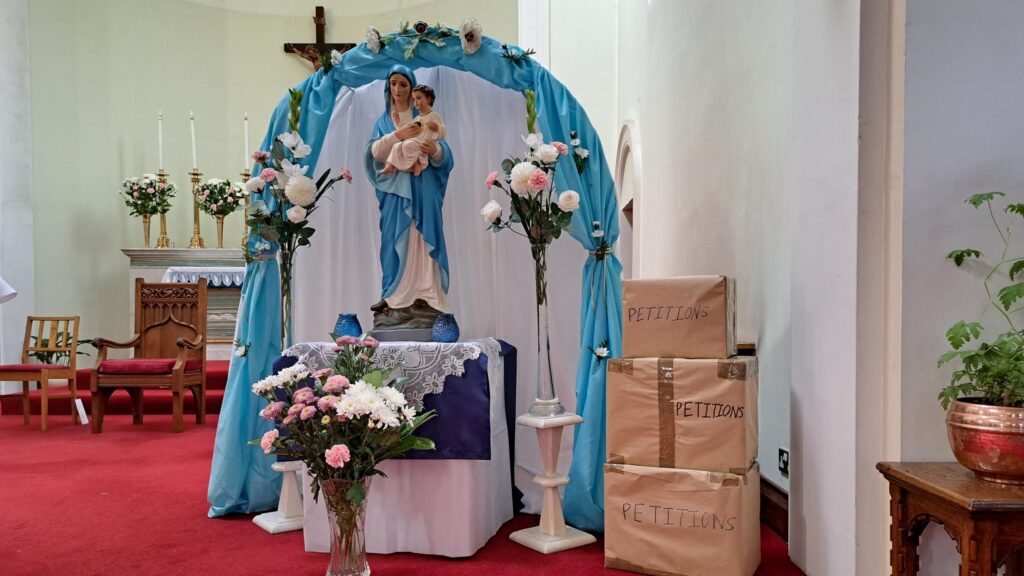
It is with great delight that we were able to welcome friends and parishioners back to the Sacred Heart Church for this year’s Novena to Our Lady of the Sacred Heart, after such a prolonged period of private prayer due to COVID-19 restrictions. In addition, almost 7,500 people joined us in prayer via our live stream over the course of the nine days, from all over the world, reminding us once again of the remarkable spirit of our extended Sacred Heart family, at home and across the globe. This is always a special time of year to put aside for prayer before the late Autumn and Winter seasons come upon us, and it was with grateful hearts that we celebrated the much-beloved and sacred tradition of prayer to our Blessed Mother.
The theme of our 2022 Novena to Our Lady of the Sacred Heart was “Mary, Mother of Compassion,” and Masses were celebrated by several of our MSC priests and brothers over the nine days.
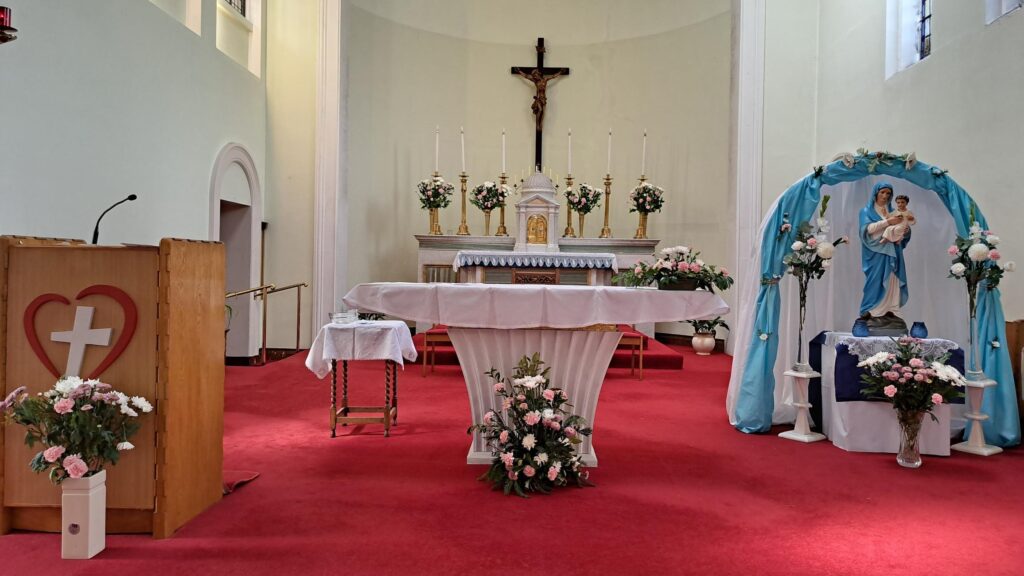
Fr John Finn opened the Novena, welcoming those present in person and via our live stream, and starting us off with a simple thought: “We begin simply by inviting Jesus to touch our hearts and our lives. We ask Mary to lead us to the heart of forgiveness, the healing love and compassion of Jesus her son.”
Having reflected on the meaning of compassion during our first Novena Masses, Br Giacomo Gelardi returned with a second sermon on Day Two, reminding us that, “We need to return to the simplicity and enthusiasm, to the beauty of realising that we are instruments of the spirit.” In essence, “Let your heart beat in harmony with God’s heart,” he told us.
Day Three saw Fr Tom Mulcahy sharing the powerful message that “God is forgiveness – it isn’t that God gives forgiveness, God is forgiveness, God is compassion, God is mercy.” Following this, Day Four saw Fr Seamus Kelly pray for us all to listen to God’s signs to us as we bring his love to others, and “for a new outpouring of the Holy Spirit on each and every one of us, that we too can bring the love of Christ to people throughout the world.”
On the fifth day of our Novena, Fr John Finn returned with a homily on faith, and the importance of our attitude towards our daily lives – whether we live, or simply endure. “Each day you have, each moment you live, is God’s gift, it is given to us as a gift, as something to be lived, not as a torture to be endured,” he reminded us. “Faith calls us to life. Faith calls us that when moments hit us and pierce our soul, we too would have that trust, that no matter what happens, God is present, God is there.”
Fr John Fitzgerald celebrated Mass on Day Six, with a reflection on Mary and Suffering, reminding us of the fact that Mary was human too, and “that is how we connect with her, on these days of suffering, the days when we need her”. Drawing from the theme of suffering the light of hope, Fr John prayed “that we might have patience, that we might be courageous as well, and that we might hold hope in our hearts.”
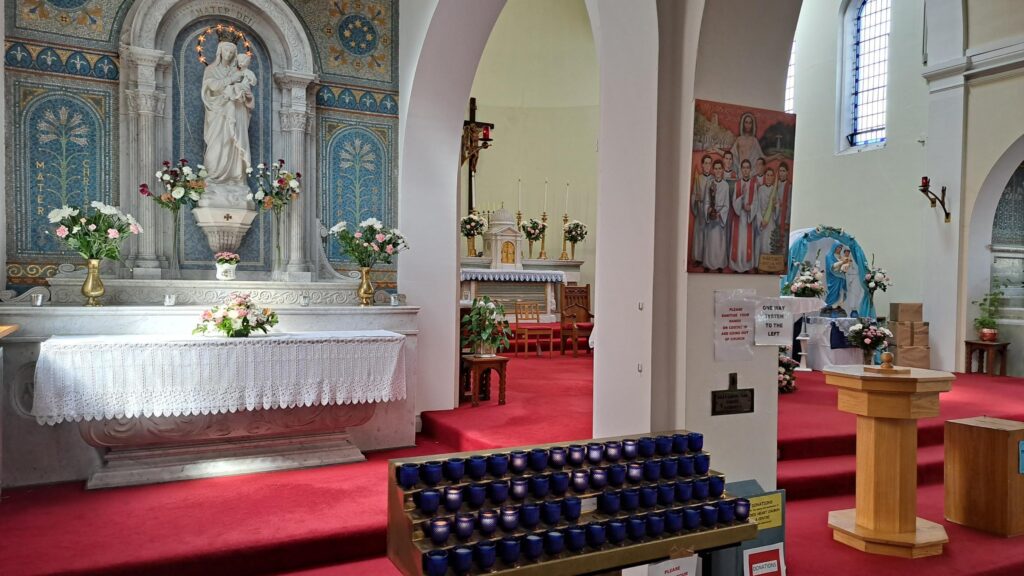
Fr John returned on Day Seven of the Novena, a special day of healing. “Our prayer today is for healing in our bodies, for healing today, physical and emotional and spiritual,” he said, along with praying for the healing power of acceptance of those things that we may not be able to change. Together, we prayed for all who are sick, suffering or in pain, for those who are healing from a broken heart in any form, for those healing through learning to walk with their past, for those suffering with anxiety, darkness or depression, addiction, and mental health issues, and for those learning to accept sickness and heal in a recovery of the soul. Fr John finished for a prayer for healers everywhere, giving thanks for the “magnificent people who are carers and healers in our world”.
Fr Joe McGee journeyed from Dublin to celebrate the final two days of the Novena, bringing a blessed nine days of prayer to a beautiful close. “My wish for all of us at the end of the Novena, for all of us here and those joining us online, that in some way this Novena will bring us closer to Mary, who brings us closer to the Lord, who helps us to ponder the mysteries of our lives,” he said.
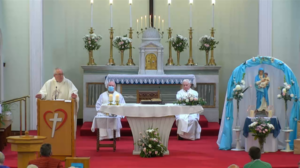
At the closing Masses, parish priest Fr Tom Mulcahy paused to thank everyone who contributed to making this year’s Novena such a special one, particularly as it is the last Novena that he will prepare as parish priest of the Sacred Heart parish. Giving sincere thanks to everybody involved in the preparation and the celebrations, Fr Tom also prayed in gratitude for all who took part in this year’s Novena Masses, in the Sacred Heart Church and on our webcam streaming service. “We thank God for your presence,” he said. “I hope it has been a blessing for you as it has been for us.”
“May God bless you, and all your prayers that you have placed in the hands of Our Lady of the Sacred Heart; she is the hope of the hopeless,” Fr Tom continued.
“The Lord knows how to work, and the mother of the Lord is always with us. God bless you all.”
Year upon year, the MSC Novena to Our Lady of the Sacred Heart offers great solace and comfort to all who take part, as we bring our prayers and personal intentions before our Holy Mother. Once again, we send our heartfelt thanks to everyone who took part in what was a truly blessed occasion this year, and for your ongoing friendship and support. God bless you all.
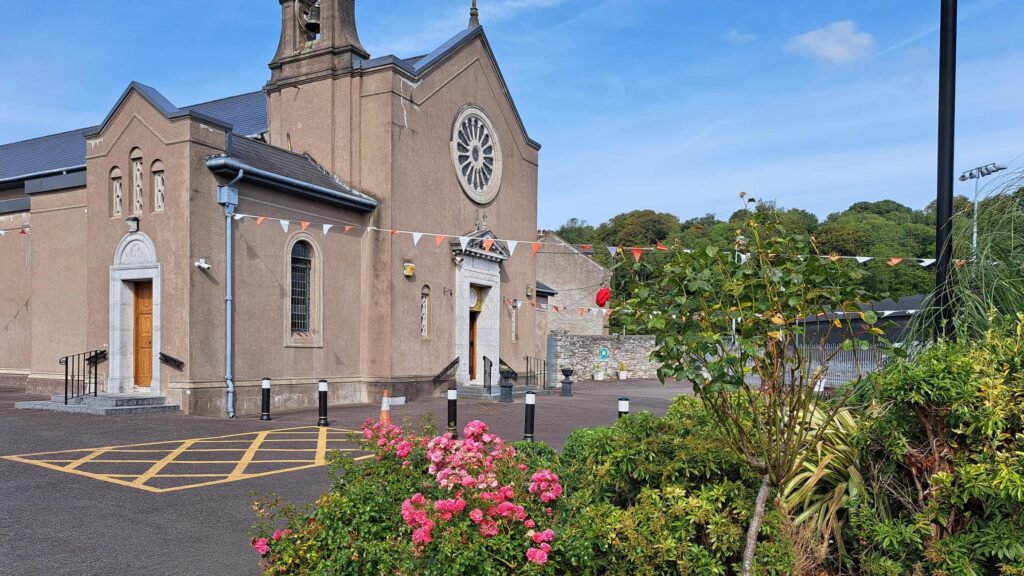
If you would like to watch this year’s Novena Masses,
please click here to view recordings of all nine days.
*
Sep 8, 2022
On August 21st, Fr José Eduardo Paixão celebrated with the Holy Baquita community in the district of Metuge, posting pictures on the MSC Mozambique Facebook page to mark this wonderful occasion.
A very special day for the community, Fr Eduardo presided over the sacraments of baptism and First Holy Communion, in “a moment of great faith and participation”.
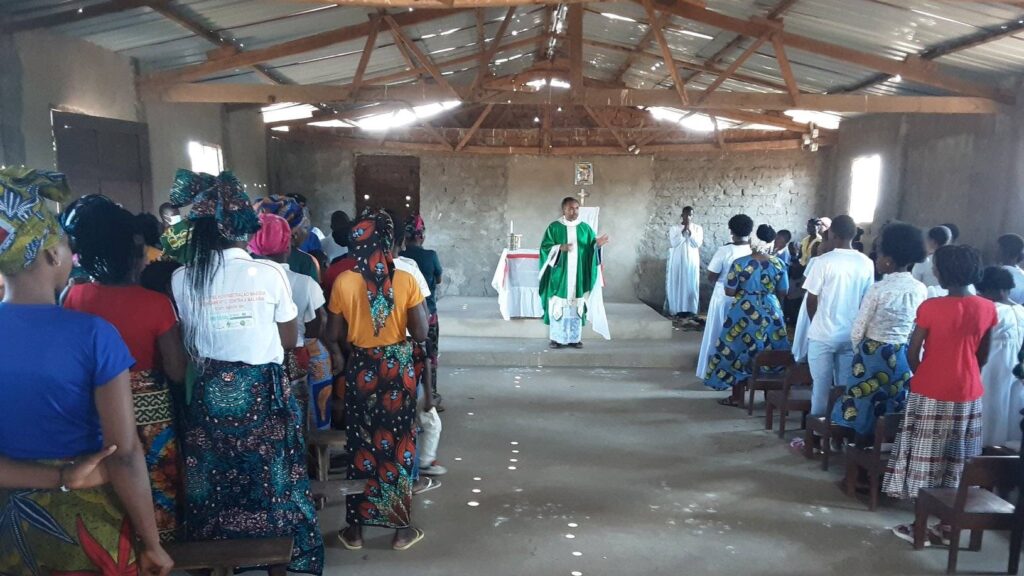
Our mission in Mozambique is in its fourth year, ministering to families in need in what is one of the ten poorest countries in the world. The mission is based in the Diocese of Pemba, in the province of Cabo Delgado, a region that has been subject to the terrors of war since 2017. To date, over 850,000 people have been displaced from their homes by war, with many seeking a place of safety in refugee camps in Pemba.
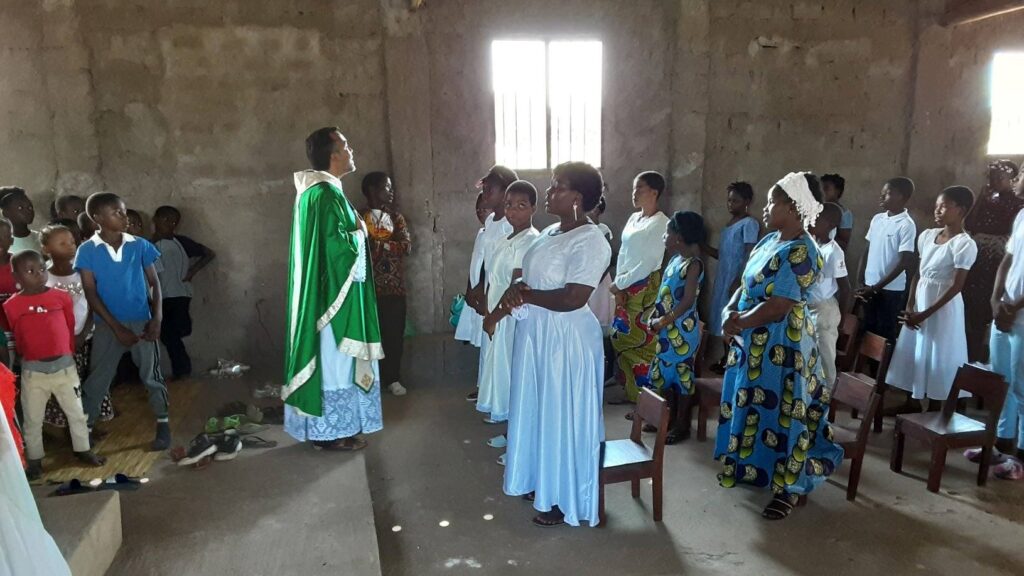
Fr Eduardo and the Mozambique mission are tireless in their ministry, welcoming those who have nowhere else to go, while also helping local families who are struggling with extreme poverty and hardship. This summer, the Irish Province of the Missionaries of the Sacred Heart are supporting our Mozambique mission by raising funds for two projects that will help the people of Pemba to regain a sense of self-sufficiency, dignity, and hope.
A day of celebration such as this one in the Holy Baquita community is a great and worthy reminder of the inestimable power of faith, unity, and love. Please keep Fr Eduardo and our Mozambique mission in your prayers as they continue to share the message of God’s love in the most challenging circumstances.
Images via the MSC Mozambique Facebook page, with credit to Manara Abudo.
PLEASE HELP OUR SACRED HEART FAMILY IN MOZAMBIQUE