
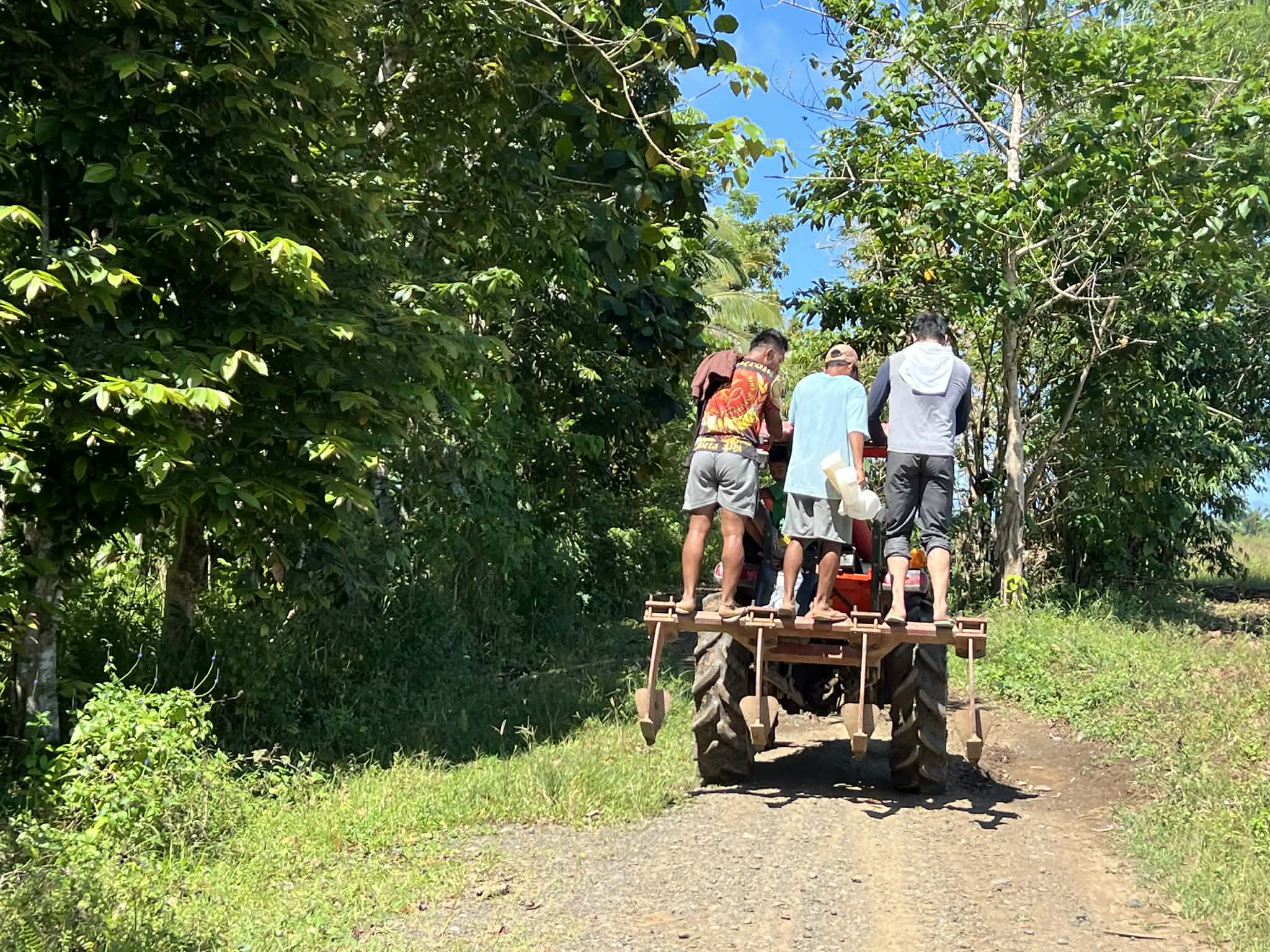
“Much to do and dream of…”
The MSC CEPAGCO (Centre for the Poor Agriculture Cooperative) Multipurpose Cooperative is an award-winning cooperative in the Philippines, which is growing and thriving with a current total of 457 members. The cooperative describe themselves as “a grassroots, non-profit organization dedicated to taking care of the environment and the well-being of the people, and providing services to the community in terms of spiritual, pastoral and socio-economic needs”.
Each and every decision made by the cooperative aims to align with their mission to “Care for the Earth, Care for the People, Share the Surplus”.
“The climate crisis is most deeply felt by rural communities and smallholder farmers who depend directly on the land for survival,” explain the MSC CEPAGCO. Dependence on conventional electricity comes with a series of serious challenges, including high energy costs, an unreliable power supply, and due to this instability, frequent interruptions during important operations such as milling, drying, and storage.
The MSC CEPAGCO Multipurpose Cooperative manages a 7.66-hectare farm and agricultural hub which is home to a rice and corn mill, flatbed and solar dryers, barns, and an Earth Kitchen. This site serves as a vital centre for food security and sustainability, but is also poised to be a future Training Centre for Agriculture, which will model sustainable farming practices that can survive the various climate challenges that come with the location.
The cooperative now includes 457 members, and many of those involved are smallholder farmers. During harvest season, members have access to the cooperative’s facilities to help with milling, drying, and storage, to ensure that the post-harvest services are accessible and affordable for all.
Thanks to the support of the cooperative, many local farmers have been able to transition from synthetic to organic farming practices, with the cooperative itself a guaranteed purchaser of their produce. This strengthens both community livelihoods and local food security.
As the cooperative remains heavily dependent on electricity to operate, disruptions to the power supply compromise both member productivity and the quality of the products themselves. Rising energy costs also reduce profitability, and consume resources that could otherwise be used for expansion. As such, the cooperative is working to transition to a renewable energy source, through solar power, as a sustainable solution aligned with the ethos and vision of the MSC Centre for the Poor and the MSC CEPAGCO. This will not only reduce costs, but will also empower the MSC CEPAGCO community to actively model the use of sustainable energy in agriculture.
This summer, the MSC CEPAGCO are raising funding to install a new solar power system, with a battery back-up for critical operations in case of power interruptions. As well as reducing dependency on fossil fuels, this will also lower monthly energy costs, showcase the efficiency of renewable energy for the community, and strengthen the ethos of the co-operative’s climate action plan. With the rising cost of living and escalating operational costs, this will be an effective way to reduce energy costs and re-direct the savings made into the growth of the co-operative and development of its various sustainability programmes.
“By investing in this solar initiative, we are not only reducing costs and ensuring operational stability, but also building a model farm and training centre that demonstrates the power of renewable energy in advancing food security and climate action,” say the MSC CEPAGCO. “Beyond cooperative operations, this project will also directly benefit the 457 cooperative members, who can continue to access the cooperative’s post-harvest facilities during harvest season. As more farmers in San Luis are converting from synthetic to organic practices – with the cooperative serving as a guaranteed buyer of their yield – this solar project ensures that our facilities remain accessible, affordable, and sustainable for all members.”
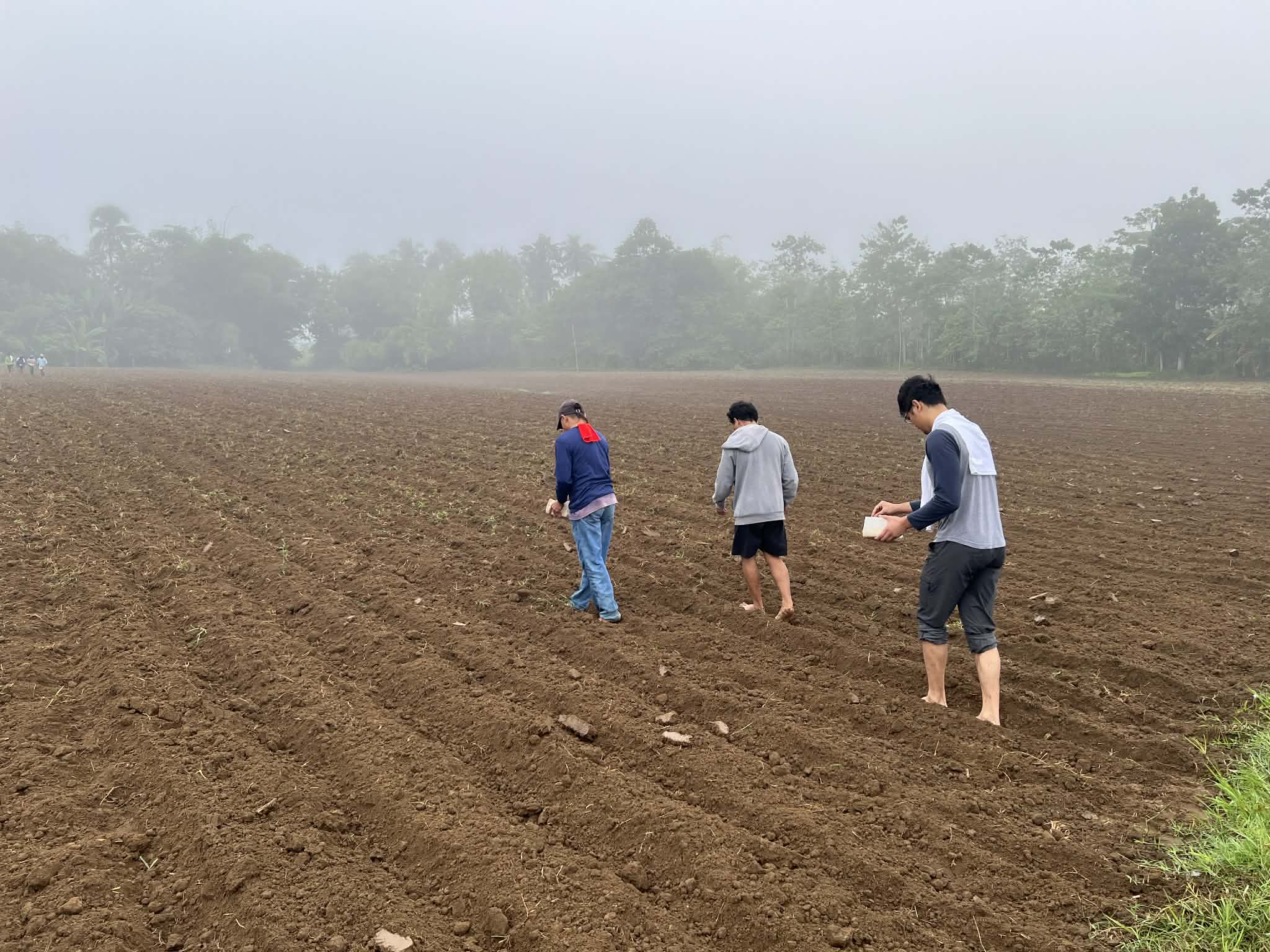

Organic farming to protect the earth
The MSC CEPAGCO are also raising funds to launch a one-year programme focused on the conversion of 3.75 hectares of farmland in Talacogon, Agusan del Sur, changing current conventional farming methods over to organic practices. The programme aims to reverse damage to the soil, while improving food stability, empowering small farmers, and promoting climate justice.
“Decades of chemical-based agriculture have degraded soil fertility, reduced biodiversity, and deepened farmers’ dependency on expensive synthetic inputs,” explain the MSC CEPAGCO.
In Talacogon, Agusan del Sur, these challenges are particularly severe. Many small farmers in the region are suffering with rising costs, diminishing harvests, and unstable incomes, making long-term sustainability a great uncertainty in the region. In response to these issues, the MSC CEPAGCO are proposing this initiative, which will offer “a practical, community-driven solution that seeks to heal degraded soils, strengthen local economies, restore ecological balance, and empower farmers as leaders in sustainable food production”.
The year-long programme will cover two cropping cycles, and will cover costs including dedicated soil care and nourishment, and on-site training and mentoring for up to 50 local farmers. It will also develop demonstration farms, which will serve as training hubs to educate other famers in the region.
Developing solar-powered water pumps
In addition, the MSC CEPAGCO are currently working on the development of solar-powered water pumps to help farmers in conditions of severe drought. In April, Super El Niño brought about temperatures of 47°C, and many farms simply cannot survive the effects of this extreme heat.
The ongoing conflict in the Middle East, and the ensuing effects on fuel availability and cost, are also taking their told, as many of the farm’s systems currently depend on fuel pumps for operation.
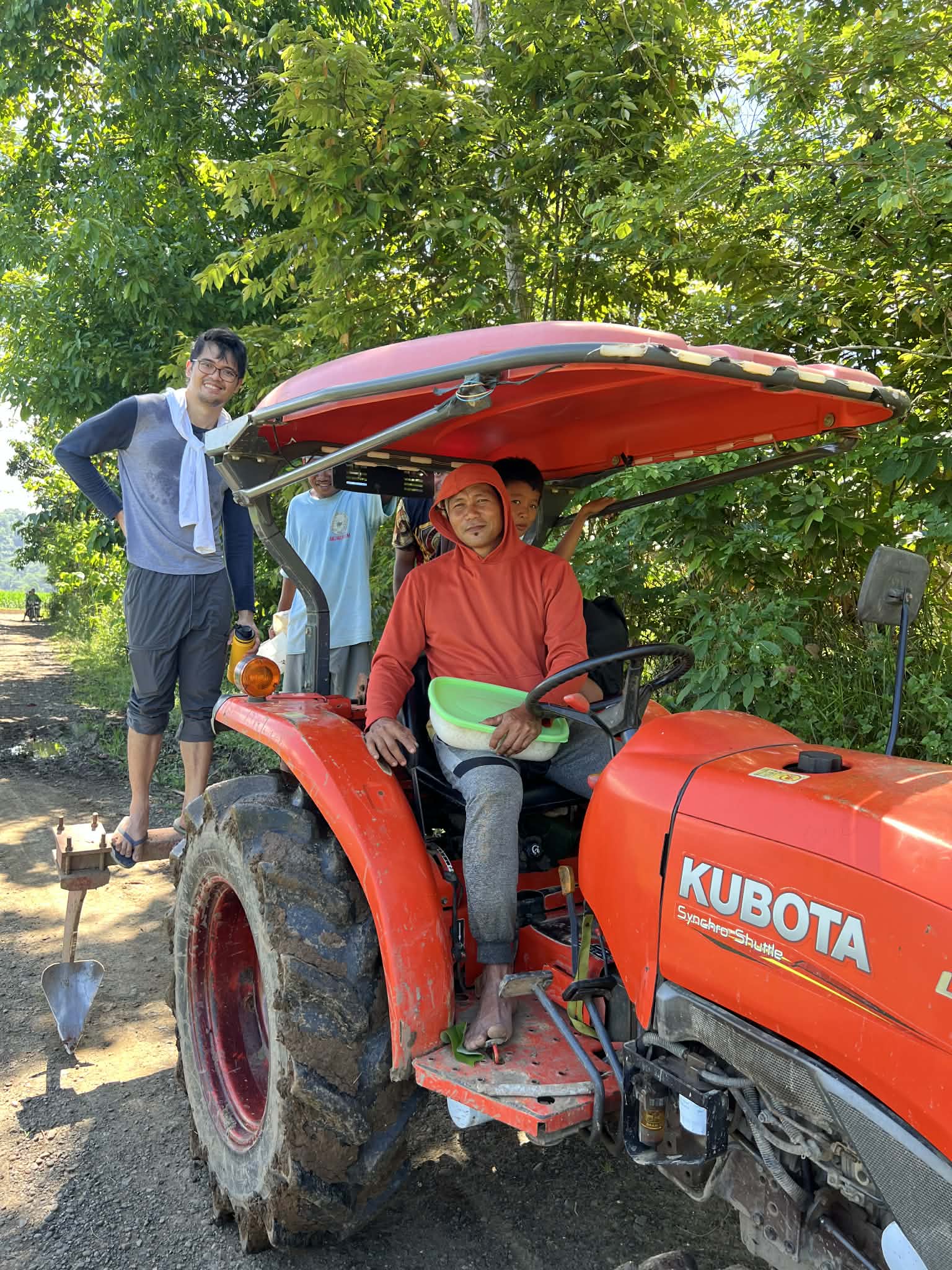
“When food cannot be put on the table, all other problems become secondary,” writes Fr Richie Gomez MSC. “Our solutions, while technical in nature, also need social transformation and political will. If we know the problem well, then so the solution follows.”
Expert engineers are already developing prototypes of solar-powered water pumps specifically designed to suit the needs of the region, which would make an enormous difference to the farmers struggling with the challenges of extreme heat. For one community working approximately 500 acres of farmland, having five portable solar water pumps would make a tremendous difference.
“We are working to harness the power of the sun to drive sustainable agriculture,” writes Fr Richie. With the technology available to us today, we can combine this high-tech efficiency with clean, safe, sustainable power that will help to protect the ecological environment while benefitting the farming communities who are caring for the earth.
“With determination and collaboration, we can find sustainable solutions to support our farmers and strengthen our communities. There is so much to do and much to dream of,” says Fr Richie. From sharing resources, knowledge, and technology, to encouraging youth involvement in agriculture, to expanding renewable energy solutions and building sustainable food systems, the MSC CEPAGCO have a multitude of plans in the works for the coming months and years.
“Together, through innovation, collaboration, and determination, we can transform these challenges into opportunities and ensure a stronger future for our farmers and communities,” Fr Richie tells us.