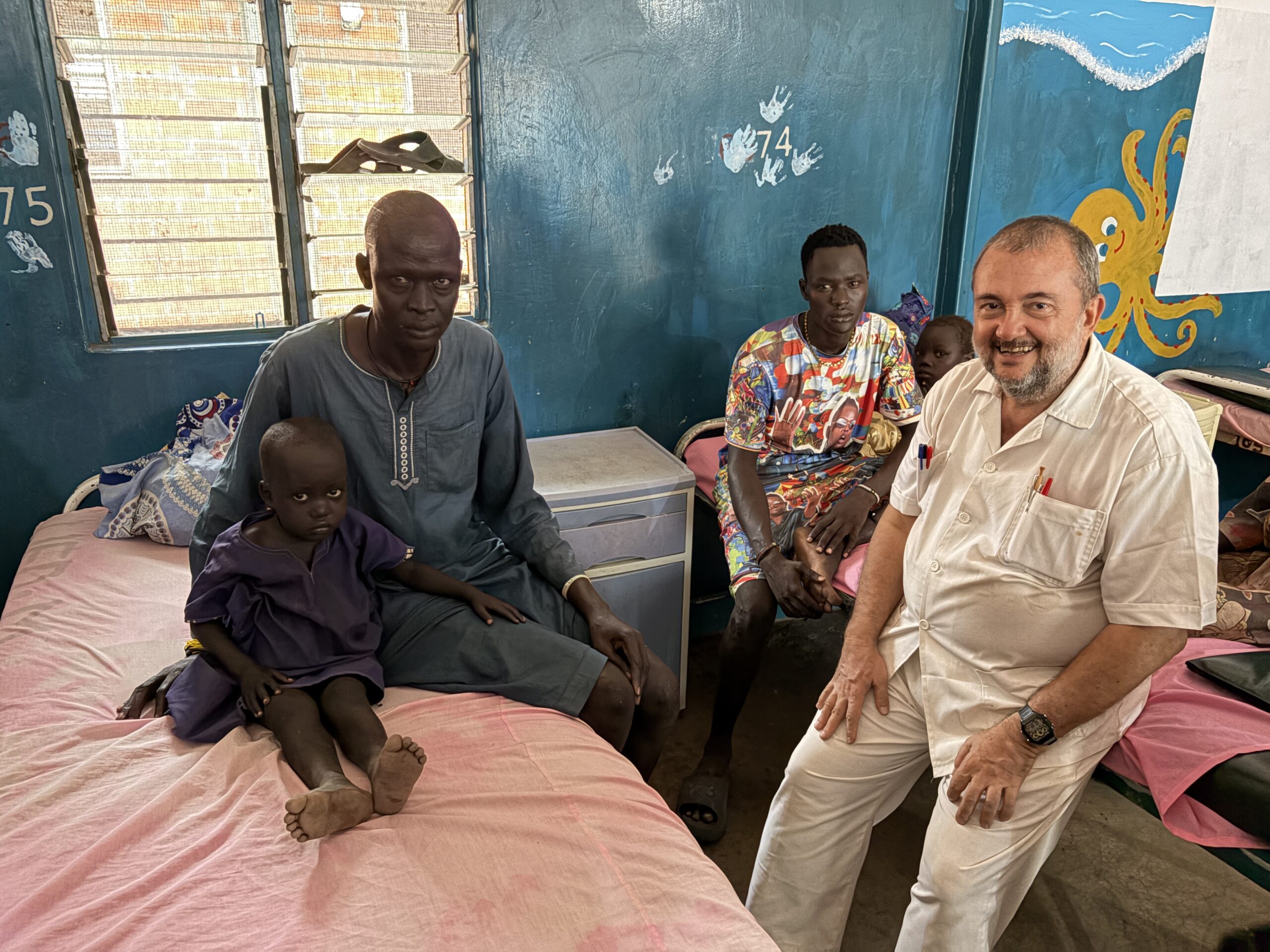
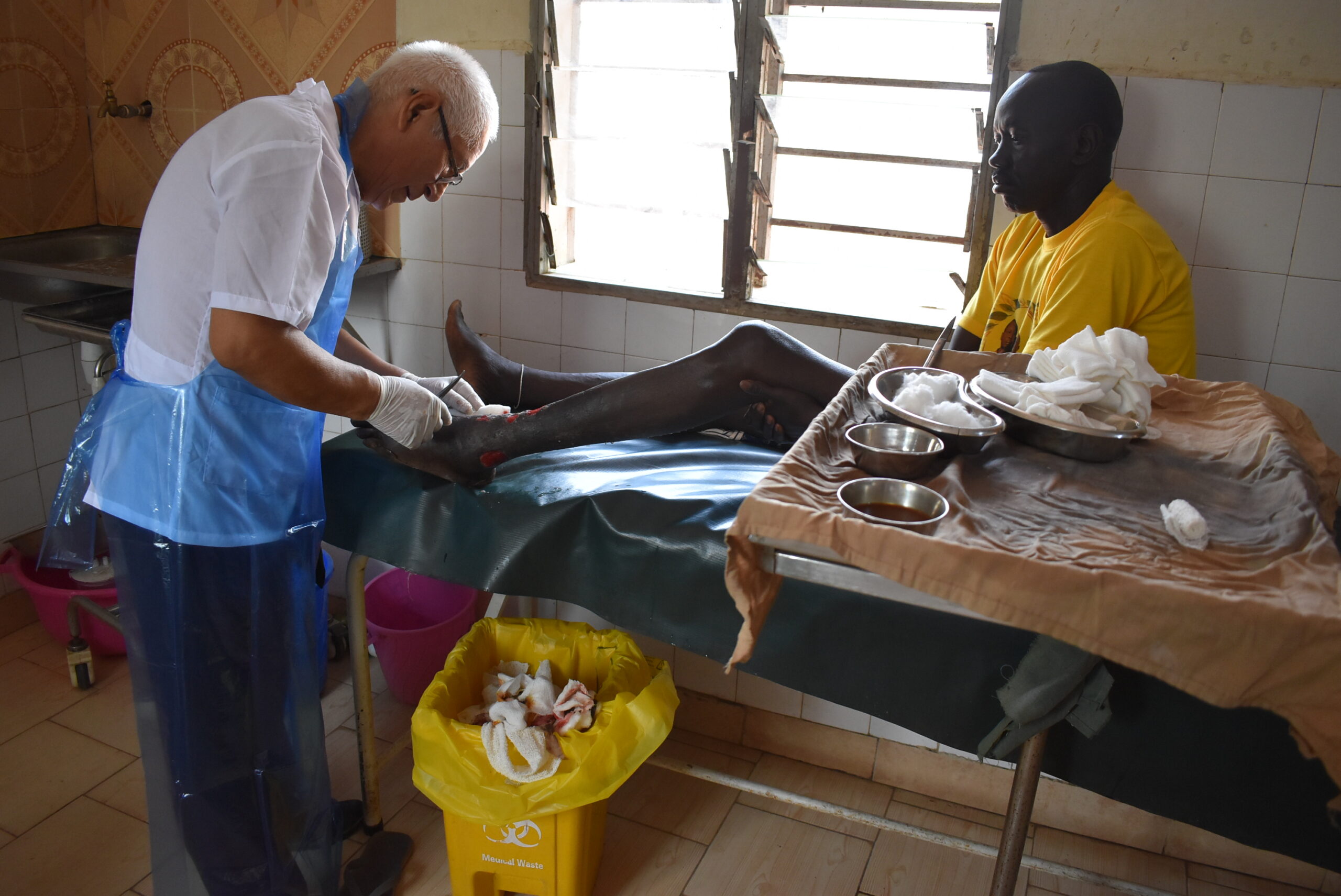
Mary Immaculate Hospital is a rural hospital that has no state support and is located in a very remote area of Mapourdit, South Sudan.
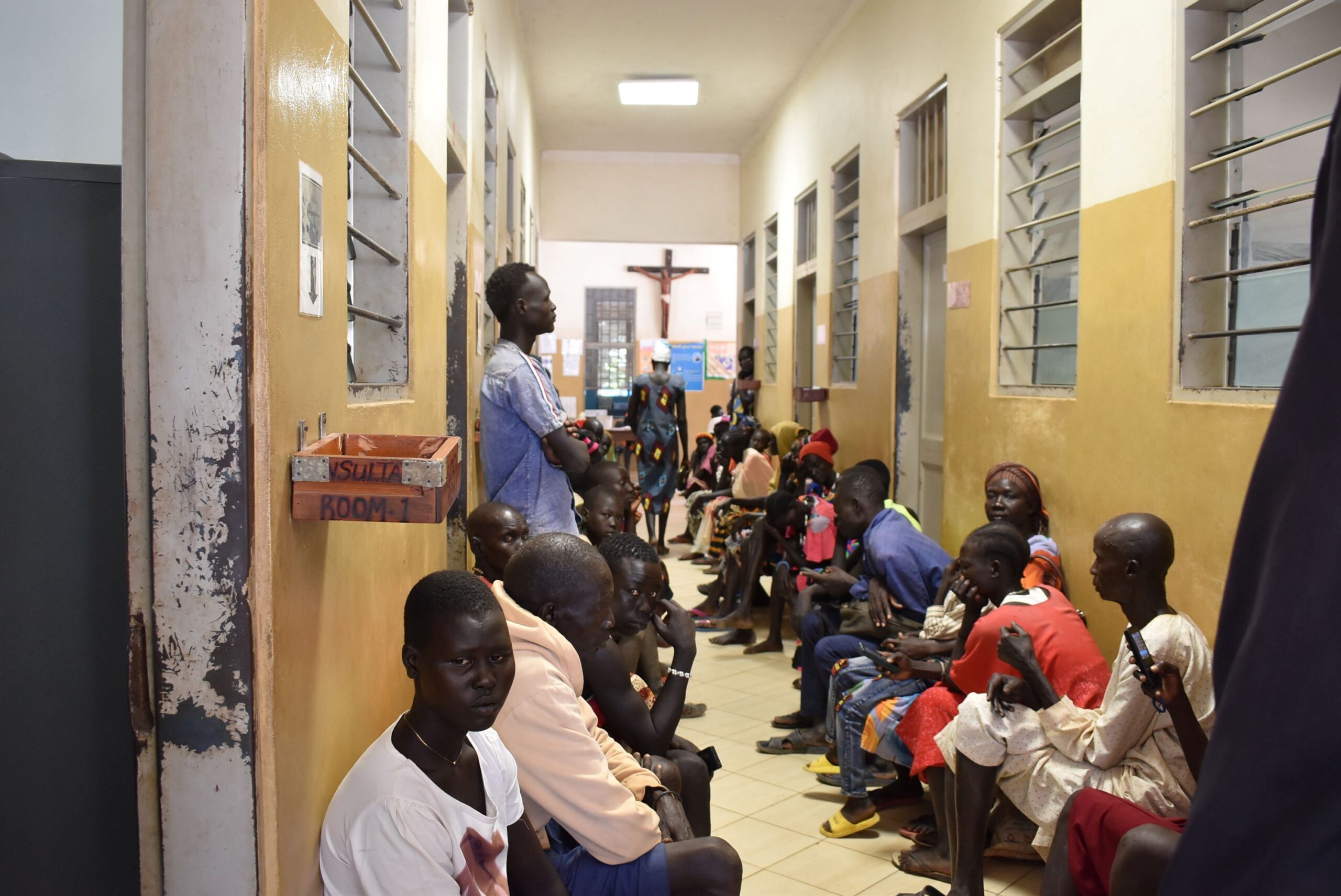
Founded in 2002, the hospital has capacity of 134 beds to serve a catchment area of three counties (Yirol West, Mvolo and Rumbek East), with an estimated population of approximately 200,000 people. Many other people outside of the official catchment area also seek help from the hospital, which is extremely difficult to reach. Road transport is hugely undeveloped, meaning that people have towalk to the hospital or rent a motorbike to travel there, which is largely unaffordable for most.
Situated in a very isolated rural area, the hospital relies on solar-powered electricity, and borehole water which is piped to the various areas it is needed.
The hospital runs an ambulance service, which helps pregnant women who are bleeding heavily or are in labour, or very sick children. These are the only patients the ambulance has the capacity to serve, as the hospital can only afford to hire one ambulance driver.
There are currently 133 paid staff at the hospital. Last year, a total of 56,124 people presented at the outpatients department, while 8,274 patients were admitted for care. The team here also run a vaccination outreach programme which facilitates healthcare members visiting rural communities to provide essential immunisation to children in the region. The maternity department is an integral part of the hospital’s service, providing vital care to women in the region. Effective maternity care is nothing short of life-saving in a country with one of the highest maternal mortality rates in the world.
Akol’s Story
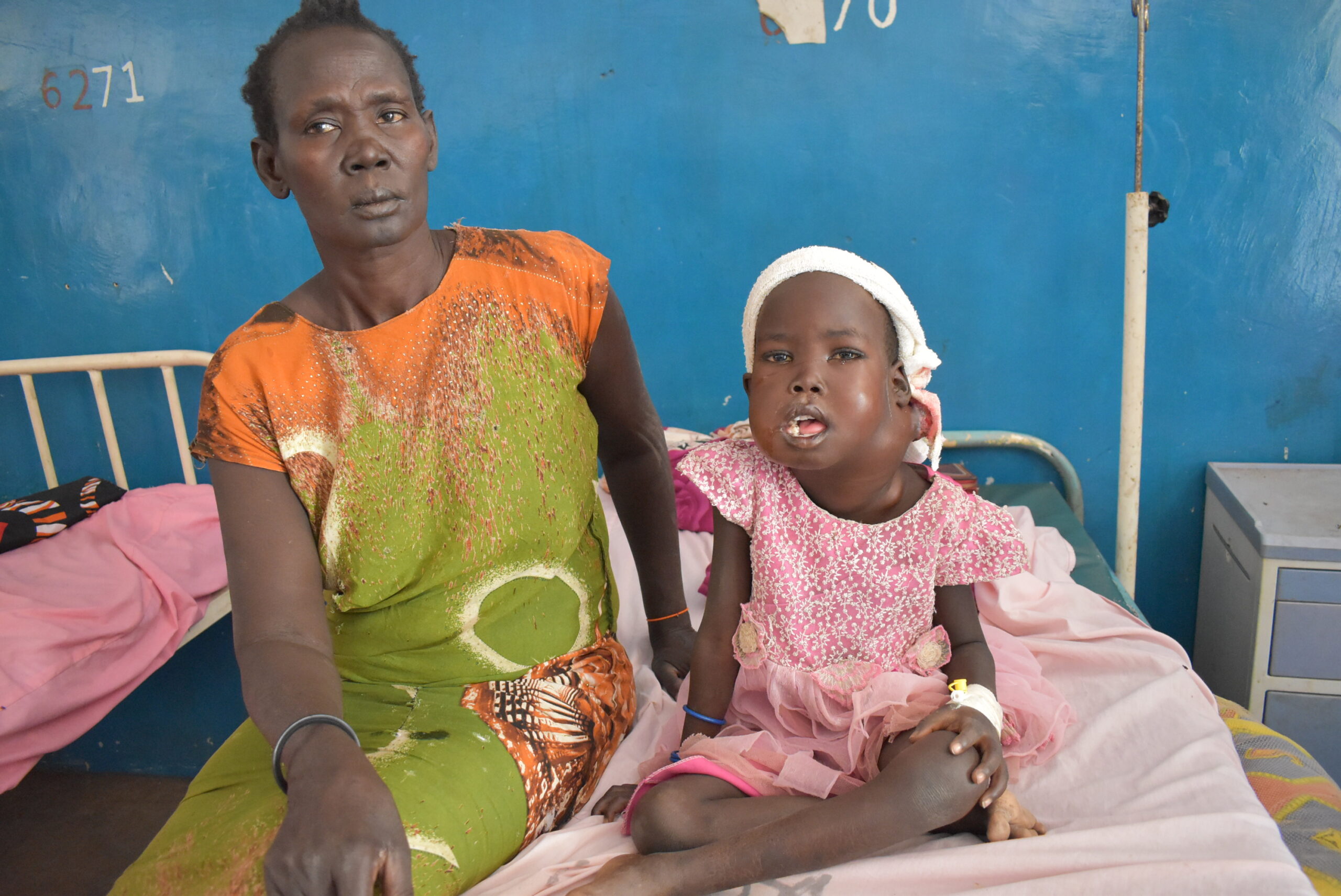
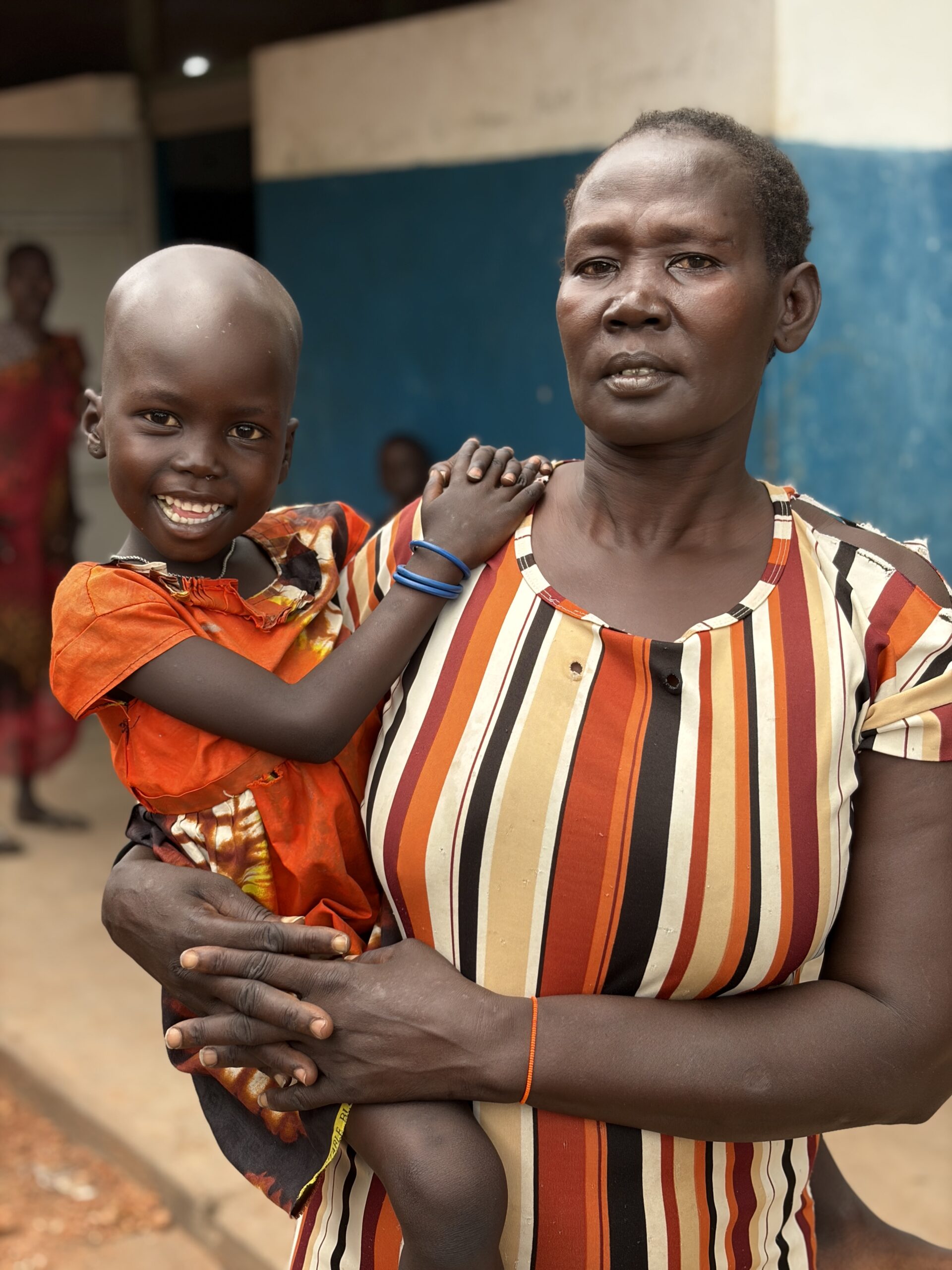
Akol is pictured here with her grandmother, who cares for her. Her mother fell pregnant with Akol at the age of 16, before she was married. Akol’s father did not have the required number of cows needed to wed her mother, and a year later, a suitable match was found. Akol’s mother was married and left Akol in her grandmother’s care. One year later, Akol’s mother died in a subsequent pregnancy, from severe anaemia.
In January of this year, Akol’s jaw started swelling, and she arrived in Mapourdit Hospital at the end of the month, too weak to begin treatment. She was diagnosed with Burkitt Syndrome, an aggressive form of lymphoma which affects children in the area. She had to spend a month on the ward to build up her strength, including transfusions, in order to be able to begin chemotherapy. Her first chemotherapy session was in late February, and she has received four sessions since. Her fifth and final dose was postponed and she was waiting for this at the time of publication. Following this, she will spend a further two weeks at the hospital before being discharged, and she will be given a date to return for review at this point.
Diabetes care
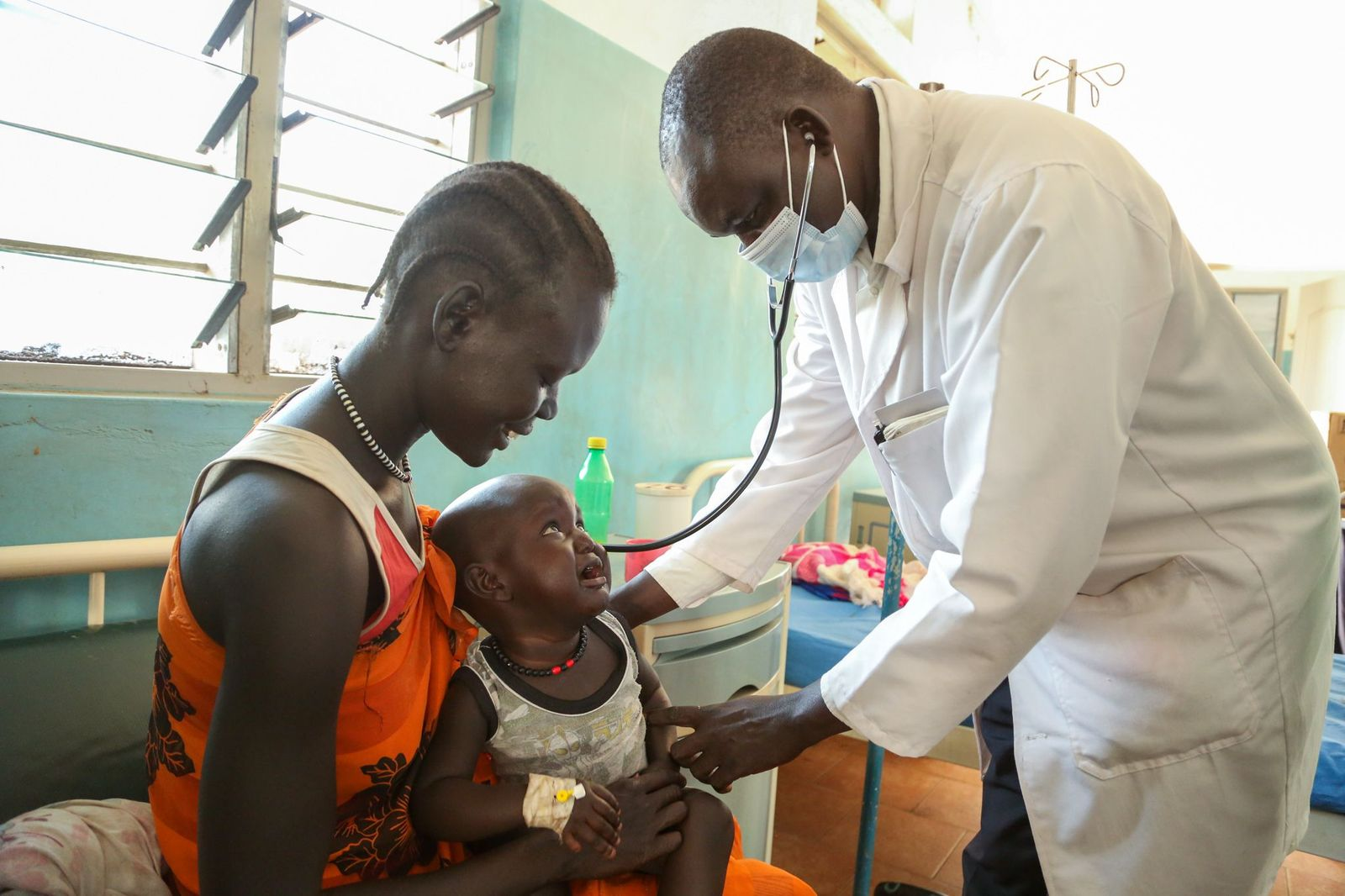
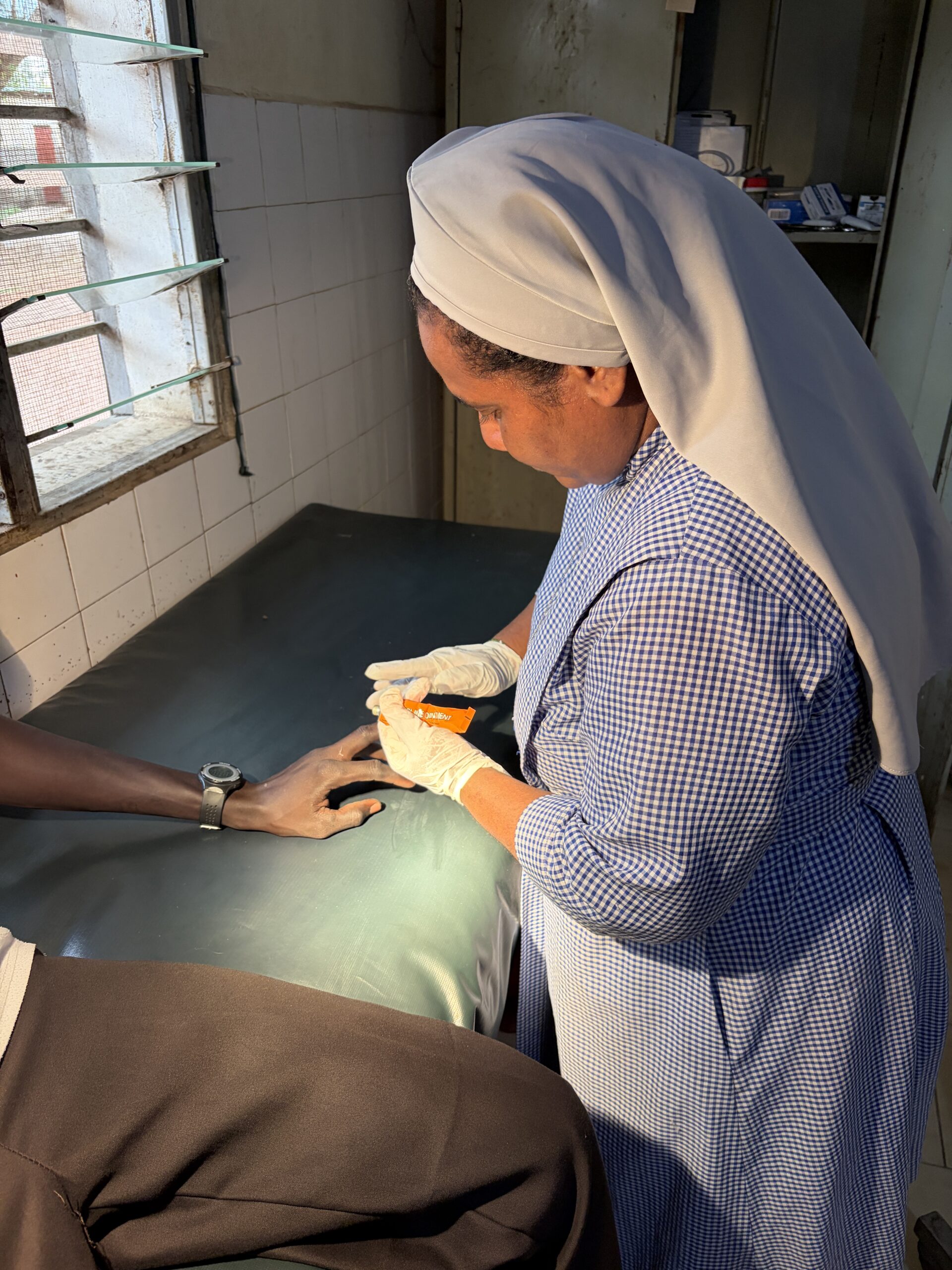
Pictured here is Br. Rosario, founder of the Mary Immaculate Hospital, teaching a young boy diagnosed with Type 1 diabetes how to inject himself with insulin. There is a serious issue with this type of diabetes in the region, and a severe shortage of insulin. The hospitals themselves cannot get insulin, and often, it is sold for a high price.
Br. Rosario provides insulin free of charge to those who need it. This young boy lives in an extremely rural, remote region without electricity and the necessary refrigeration facilities for the insulin. He therefore has to bury his insulin supply to keep it safe and as cool as possible.
The mission statement of the hospital is to provide “integral, affordable, accessible and sustainable health care for the people living in the hospital catchment area.”
“The hospital is therefore committed to a holistic, integrated and sustainable action in health. This includes disease prevention, curative treatment, health promotion, and facilitation of training of health workers. The most vulnerable members of the community remain the priority of the hospital, and the poor, blind and any other disable (including epileptic and psychiatric patients) known to the hospital are exempted from payment of user fees in order to ensure that they receive treatment whenever they fall sick.”
Please help us to help Br. Rosario, Sr. Dolorosa (Daughters of Our Lady of the Sacred Heart), and the hospital team to continue in their life-saving work.