Jul 29, 2021
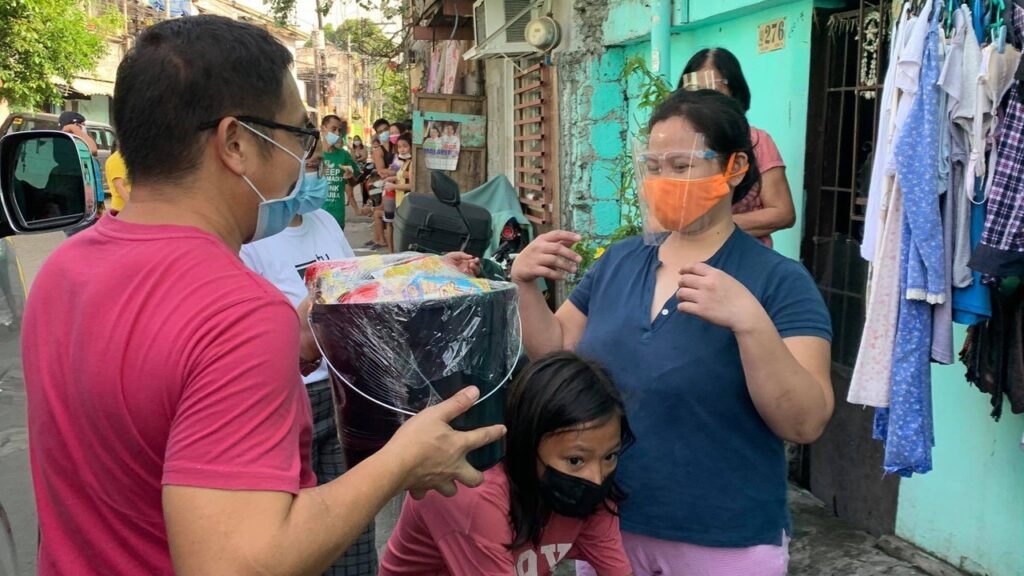
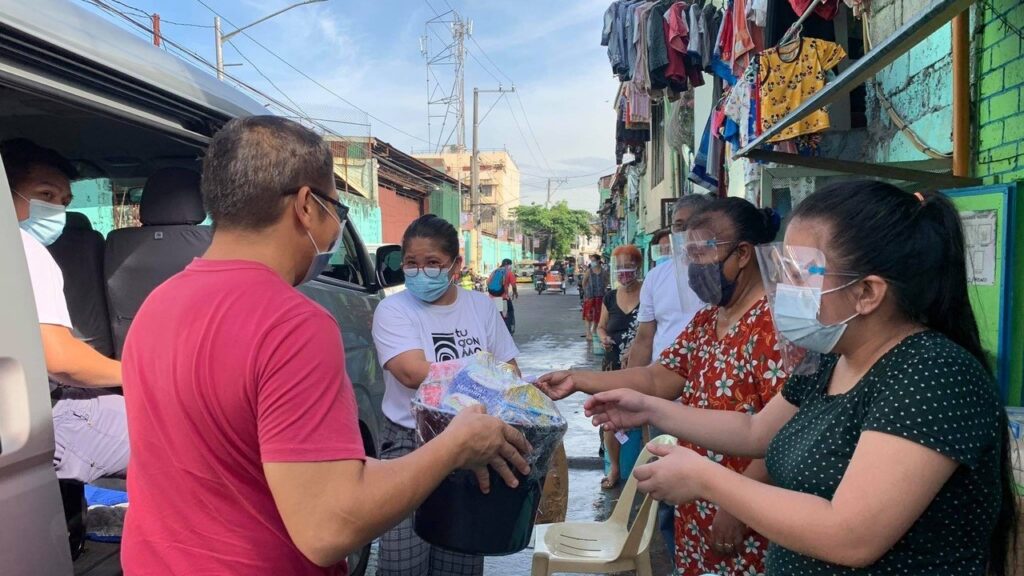
The MSC Mission Office in the Philippines is currently raising funds to coordinate a mission outreach programme for families who have been severely affected by the COVID-19 pandemic.
Since the onset of the pandemic in early 2020, millions of people in the Philippines have lost their jobs and livelihoods, and have been relying on government assistance and charitable donations. This is of particular concern in areas where poverty has long been a pressing issue, where families were already living hand-to-mouth and were struggling to put food on the table. Now, with a second wave of COVID-19 wreaking further havoc across the Philippines, many families have the very real worry of how they are going to feed their children, as well as the overwhelming fear and uncertainty surrounding the coronavirus threat.
“The COVID-19 pandemic has affected so many lives of Filipino people,” writes Fr Samuel Patriarca MSC. “Millions have lost their jobs and businesses, which lead to a great impact in the livelihood and food system of the country. Food security is one of the main adversities that every Filipino has been dealing since the start of the pandemic. As the country is on verge of the second wave of COVID-19, more and more people become hungry and most of them rely on relief drives organised by the government and other civic organisations.”
The MSC Mission Office in the Philippines has been providing relief assistance where possible since the pandemic took hold, providing food and essential items to families in need. Their next mission outreach programme, which they aim to run this summer, will see relief distributions to 3,000 families across three of the most badly affected areas in the country: Luzon (Sta. Quiteria and Caloocan), Visayas (Camotes Island and Cebu), and Mindanao (Butuan and Agusan del Norte).
Each relief pack will provide food and basic items that will act as a lifeline to these families, at a cost of 500 Philippine pesos – approximately €8.50 – per pack.
Just €8.50 will provide an emergency relief pack
for a family in the Philippines. Can you help?
“We hope that through this project, we will be able to help the most vulnerable sectors of the society, the poor.”
– Fr Samuel Patriarca MSC
Director of the MSC Mission Office in the Philippines
PLEASE SUPPORT MSC COVID-19 RELIEF IN THE PHILIPPINES
Jul 29, 2021
The coronavirus has torn through Brazil, where the death toll of half a million people was the second-highest in the world in June 2021. With the situation labelled as “critical”, the pandemic continues to have a devastating effect on health, employment, and social and financial security – and our MSCs across Brazil are doing their best to help those who need it most.
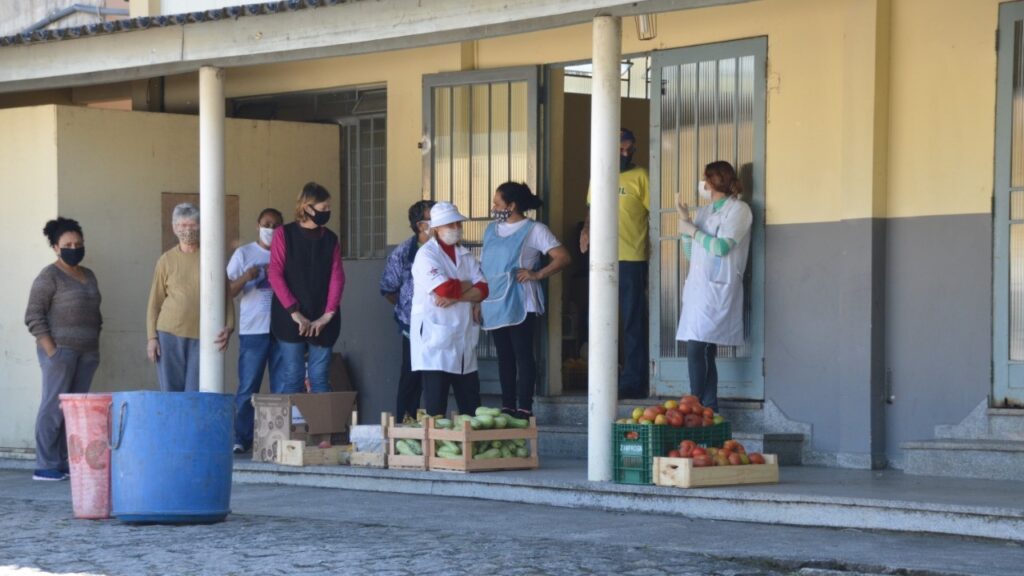
Distributing care packages in Muriaé
The São Paulo Social Work Project is based in the city of Muriaé, in Minas Gerais, Brazil, where MSC missionaries help the poorest people every day. The project works daily on two main purposes: The provision of essential medicines which are expensive, or unavailable via public health services, and the distribution of food baskets, containing basic necessities.
In addition to food and medicine, the project also provides families in need with nappies for young children, and hygiene and cleaning products, which are more crucial than ever in the current pandemic.
The São Paulo Social Work Project is funded by donations from local people, and additional resources made available by the parish. The distribution of food, hygiene products, and medicine takes place from the project’s head office, or care packs are sent by volunteers to the homes of those who are unable to collect them in person.
The monthly cost of the project is estimated at approximately €770. This currently provides food baskets for around 80 families every month, along with the distribution of over 200 medicines monthly.
As a result of the COVID-19 pandemic, requests for help from the São Paulo Social Work Project have increased significantly, as many people in the region find themselves unemployed and without the means to support their families. MSCs in the region are currently trying to raise funds for a year’s worth of relief aid, amounting to €9,240 in total.
Just €9.60 will provide food, medication, and cleaning products for a family in Muriaé for a month.
A donation of €115.50 will give that family these necessities for a year.
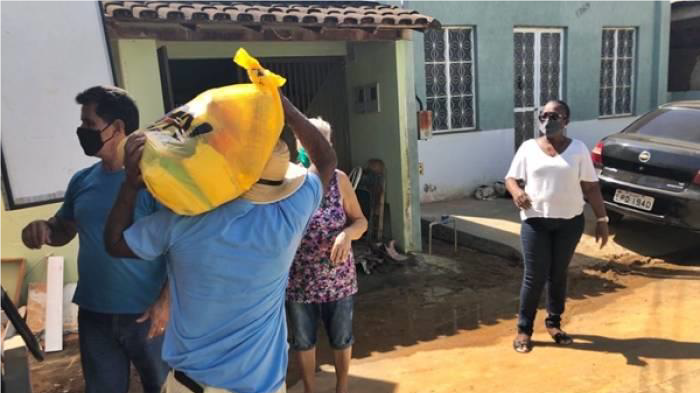
A contribution of €9.60 will provide food, medication & cleaning products for a family in Muriaé for a month.
Sowing seeds for the future in Rio de Janeiro
The São Francisco de Assis Social Work Project was founded by MSCs in São Gonçalo-RJ, Brazil, in March 1988. The project originally began with the establishment of a community crèche to help single mothers and their children, before the implemention of a larger-scale project in 2005, which aimed to support disadvantaged parents and children in the area, providing opportunities for personal development and professional qualifications. With the help of this programme, single parents and vulnerable families have been able to work towards gaining education, qualifications, and paid work, all with the aim of providing independence, dignity, and an improved quality of life.
The São Francisco de Assis Project are now raising funds to help vulnerable families in Rio de Janeiro in the wake of the coronavirus pandemic. Their latest project, named The Desert Also Produces Flowers, will focus on:
- Promoting health and wellbeing following the pandemic, with specific attention on women’s health.
- Working with the local community employment centre to run workshops for people who are lacking in the necessary skills to find employment. These workshops will include computer skills, caregiving for the elderly and infirm, sewing and clothing production, and beauty courses.
- Developing and running educational courses to help people in financial difficulty to gain qualifications, prepare for the world of work, and improve their quality of life in the aftermath of the COVID pandemic.
The Obra Comunitária São Francisco de Assis are working to raise a total of €2,900 in order to be able to fund this new community programme, which will run for a period of 10 months.
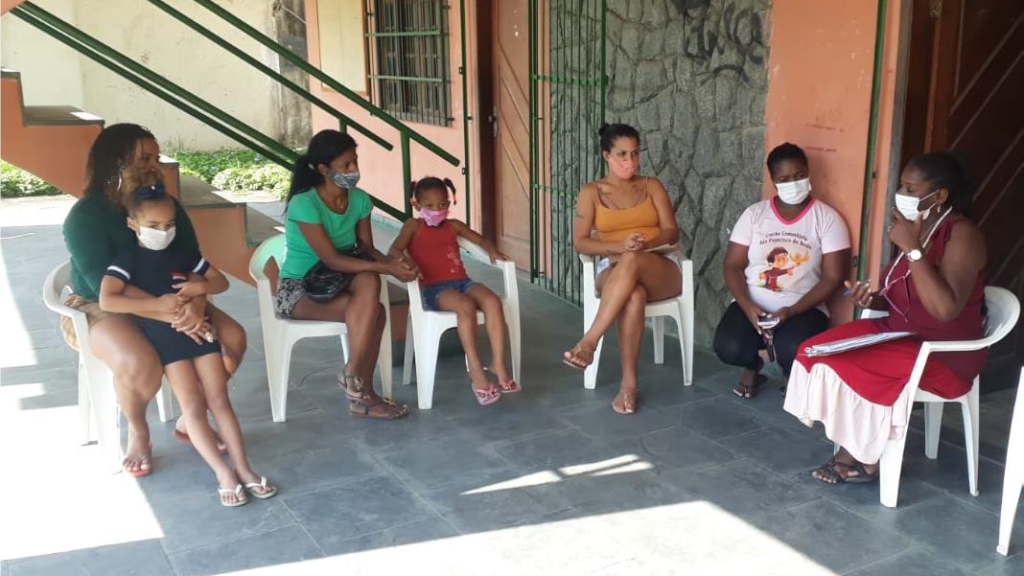
Can you help to give a family in Brazil a second chance?
A focus on family in Pinheirinho
The ongoing plague of the coronavirus pandemic has exacerbated existing problems of violence, marginalisation, and poverty in the area of Pinheirinho, in the city of Curitiba, and MSCs in the region are working to help vulnerable families who are struggling with a lack of facilities, a lack of support, and often, a lack of the most basic necessities.
The Projeto Família Viva, or the Living Family Project, hosts weekly meetings for 120 families in the area, with talks on themes such as addiction, health, family values, and spirituality. Monthly meetings also promote self-help, with particular emphasis on support for those struggling with alcoholism, or with family members who are dependent on alcohol.
Home visits are carried out by volunteers, who provide help and offer much-needed social interaction to those who are alone. Workshops are also held, teaching skills including knitting, embroidery, painting, and making clothes and rugs. Monthly bazaars are held to sell the products made during craft workshops, with all funds raised diverted back into the project.
The ministry provided by the Projeto Família Viva is invaluable; in addition, the group supply essential care packages to families in need every month, containing food, medicine, and basic necessities. MSCs in Pinheirinho are working to raise funds to continue the work of the Projeto Família Viva, and the provision of essential items to families who have been left without the means to support themselves as a result of the coronavirus pandemic.
A donation of just €19 will provide a monthly care package for a family in need in Pinheirinho.
Can you provide a Brazilian family with this lifeline?
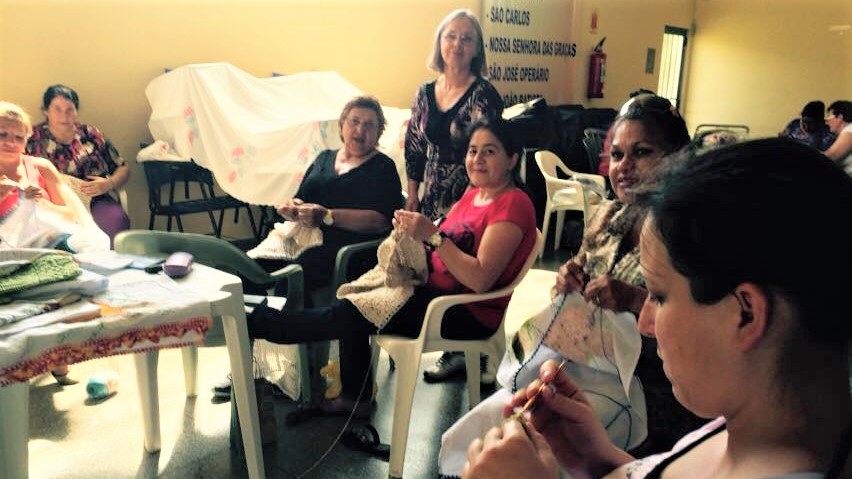
Just €19 will provide a monthly care package
for a family in need in Pinheirinho.
Providing a safe haven in Minas Gerais
The Pró-Moradia Housing Project was founded by Fr Tiago Prins MSC in 1992, in Muriaé, Minas Gerais, a region of Rio de Janeiro that is significantly affected by poverty. Fr Tiago developed this project with the aim of being able to give low-income families access to safe, secure, and comfortable housing.
Sadly, the number of people living on the streets in Rio de Janeiro is increasing rapidly due to the harsh rise in unemployment brought about by the COVID-19 pandemic, exacerbated by the lack of support from the Brazilian government.
Each house costs approximately €1,600 to build, and the houses themselves are built on a volunteer basis by their future residents. MSCs in Muriaé are appealing for the funds to build 10 new houses, to help those families who have lost their livelihoods and their homes due to the coronavirus pandemic.
For €1,600, a displaced family in Brazil will have a new home. Can you help?
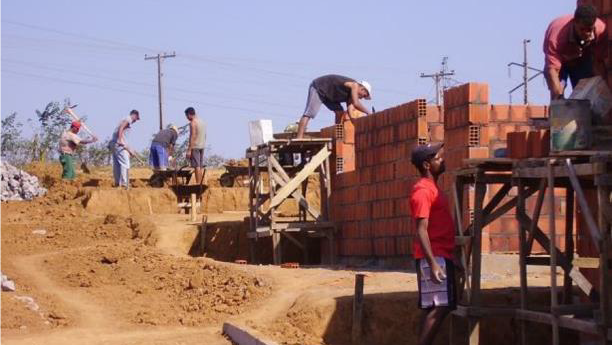
For €1,600, a family in Brazil will have a safe home.
Can you make a difference?
PLEASE SUPPORT MSC COVID AID IN BRAZIL
Jul 29, 2021
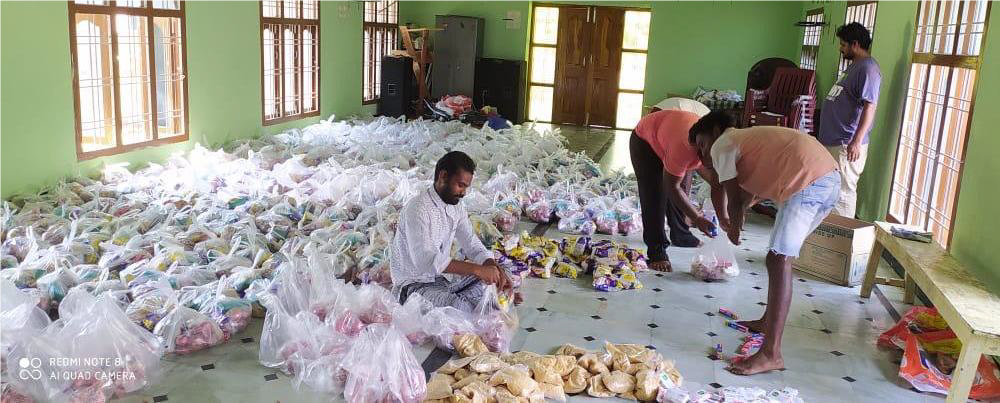
It has been impossible to avoid news reports of the horrific effects of the COVID-19 pandemic in India. Harrowing images of overcrowded hospitals and mass open-air cremations have appeared in our newspapers and on our television screens. The disease has run rampant throughout the country, infecting millions and killing hundreds of thousands. MSCs in India have been doing their very best to help those in desperate need; however, it is often a case of trying to do an awful lot with very little.
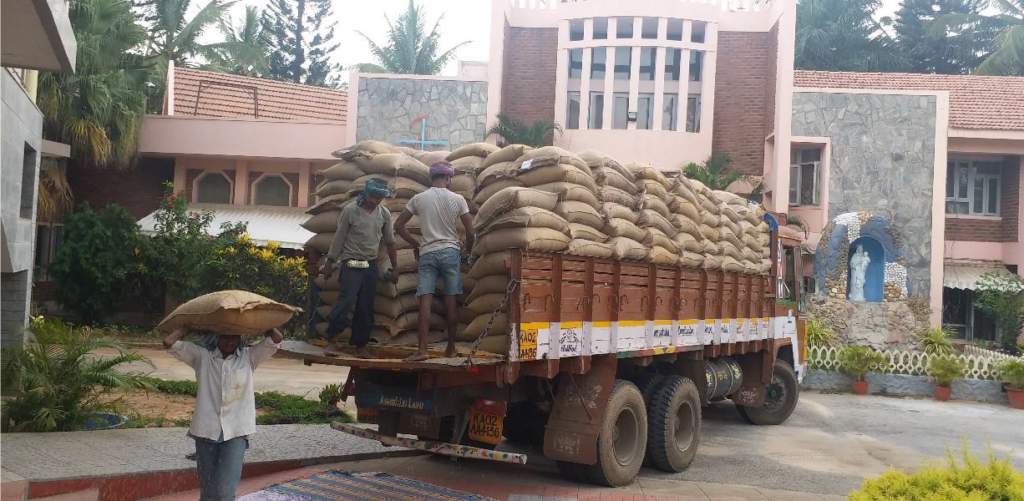
“In India, the situation has become worse,” writes Fr Darwin Thatheus MSC, Regional Superior in Bangalore. “In many areas, daily life has come to a halt.”
The Indian government has put in place an ongoing lockdown with an advisory to stay at home, and so many people, including daily-wage labourers, have lost their livelihoods. They now have no income at all and are locked in a serious struggle to meet their daily needs.
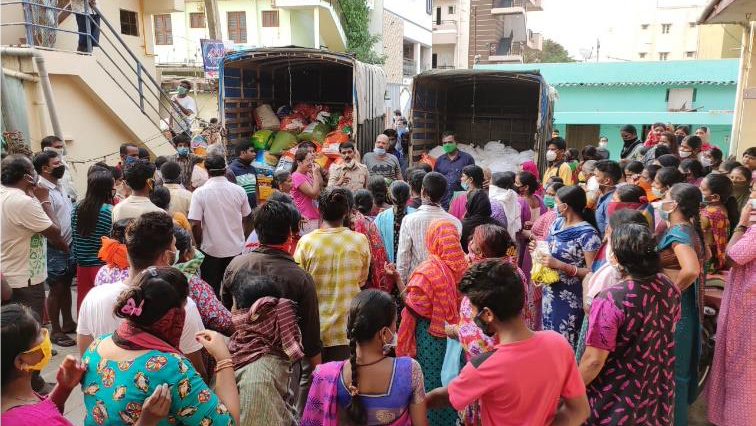
MSCs in India have been providing a rapid response programme to ensure that those in need have essential relief supplies, including dry rations and basic hygiene necessities.
To date, the MSC Mission Office in India have provided help with:
- Food for daily-wage workers who have lost their income.
- Groceries and dry-ration supplies for poor families and migrant workers in Bangalore City and beyond.
- Dry-ration relief supplies for rural parishes ministered to by MSCs.
- Food and provisions for widows and elderly women.
- Medical assistance for COVID-19 patients.
- Dry-ration supplies for school staff at the Chevalier Academy. The school caters for students in a rural parish, where poverty is rife. The school has not been able to function properly during the COVID pandemic, and so the staff have been out of work, without pay. The MSC Indian Mission Office have supported 57 teachers and staff members with food and essential provisions.
- Distribution of hand wash, face masks, and sanitiser for residents of homes for the elderly, along with nutritional food such as eggs, buttermilk, and Ragi, a whole-grain which is rich in fibre, calcium, and Vitamin D.
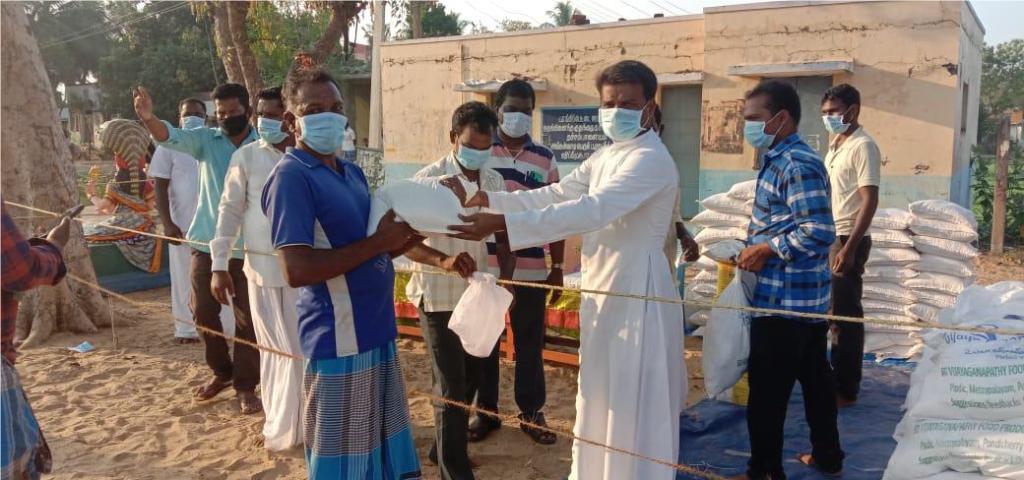
“We have helped those affected by the pandemic in whatever way we could help,” writes Fr Darwin. “While adhering to all safety and hygiene measures, we began our relief service by providing a meal or packed grocery kits to the marginalised and the low-income segment of our society, which is largely made up of daily-wage workers, migrant labourers, construction site workers, and needy people at old-age homes and night shelters in the states of Karnataka, Telangana, Andhra Pradesh, Tamil Nadu, and Kerala.”
“We want to continue to help people during this ongoing lockdown situation,” says Fr Darwin. “We want to provide them with food and other provisions as much as we can. But due to a lack of funds, we have not been able continue our service for the people.”
“These are unprecedented times and we are a close-knit community in the Heart of Jesus. We would greatly appreciate it if you will help us to fight against this pandemic with whatever you can.”
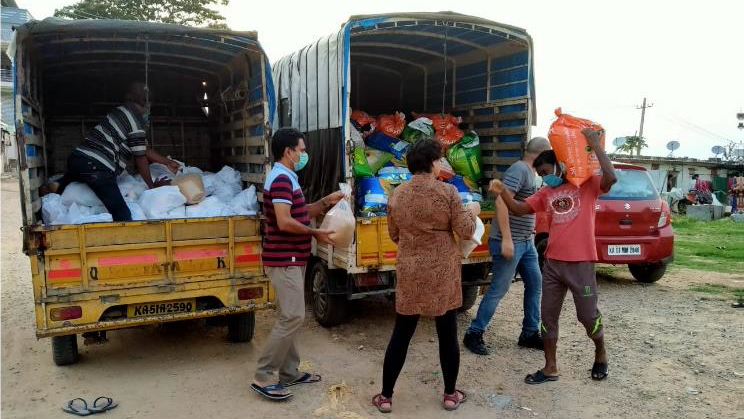
“Since the beginning of the pandemic, we have carried out COVID relief for those in need with dry rations, medical aid, and educational help for disadvantaged children. Unfortunately, we have not been able to continue our relief work due to a lack of funds.
It would be a great blessing for the poor people if you would help us to help them.
Together, we are stronger. Together, we can overcome.
Big or small, every effort counts and it will all have a great impact on someone’s life.
Individually, we are just one drop.
Together, we are an ocean.
– Fr Darwin Thatheus MSC
Regional Superior in Bangalore
Can you help our MSCs to protect lives in India?
PLEASE SUPPORT MSC COVID-19 RELIEF IN INDIA
Jul 8, 2021
Bro Giacomo Gelardi MSC writes on ministering through the COVID-19 pandemic in Killinarden, where long-standing issues such as alcoholism, drug addiction, violence, and abuse have been exacerbated by the past 16 months of lockdowns and regulations.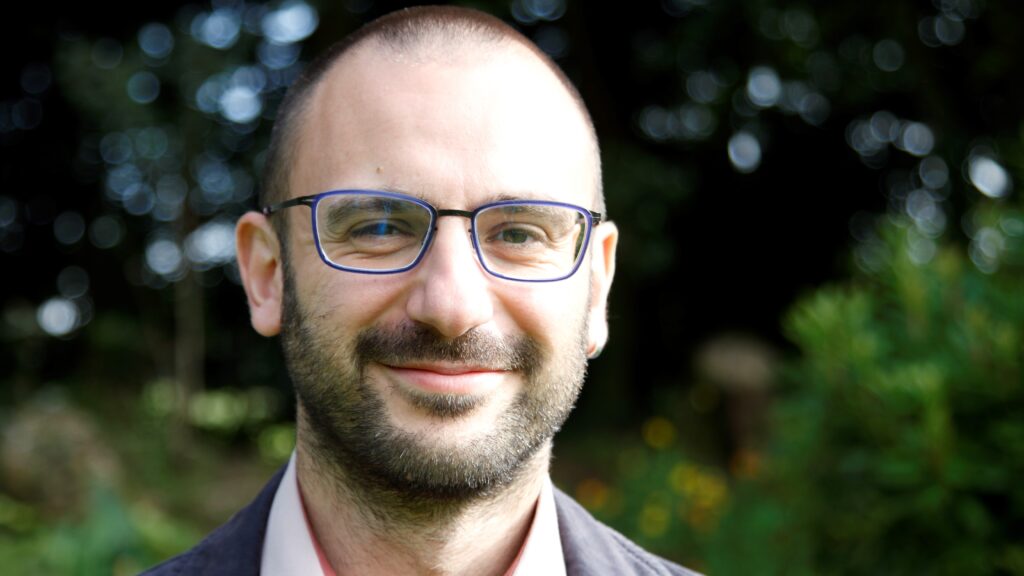 “Killinarden, west Tallaght, Dublin. Some of our missionaries have ministered here for a long time and know the place, with its people and their problems, inside out. People from other parts of the world may have just heard stories about it, as the area infamously and regularly hits the headlines. For those who do not know Killinarden, the concerns encountered here range from material and financial poverty to unemployment; from joyriding around the park to drug dealing around the corner; from people struggling with poor mental health to families shattered by addiction, resulting in the neglect or, worse, the abuse, of children.
I have been in pastoral placement in Killinarden for the last four years during my theological studies, and on a daily basis since October 2020. During all this time I have accompanied Patricia Darling, a lay woman who has assisted, supported and advocated for the poorest, the most vulnerable and marginalised people in this community for the past 20 years. With great devotion, she tirelessly carries out a fundamental service. I am deeply indebted to her for all I am learning. The initial and essential step in the work we do is outreach: visiting people, meeting them where they are, listening to their stories with a compassionate and non-judgmental heart. Often, the basic assistance we offer is making sure that there is enough food and heating in people’s homes; in some occasions however, we have also provided carpets, beds and cookers. At the same time, we offer a safe place to talk, to listen to as well as to encourage, and whatever goes beyond our abilities is referred to experts and professionals.”
“Addiction adds chaos to confusion.”
“COVID and the lockdowns added an extra burden onto the already precarious living conditions of families. COVID meant children being at home for months, with no in-person access to health services, GPs as well as mental health support. That is true everywhere. Yet, for families that struggle in normal times, COVID meant the uncertainty of being able to put something on the table; extra mental strain for both parents and children, often assessed only over the phone and resulting in the prescription of anti-depressants to children too. In-person psychological assistance was not always available and some people did not feel safe to engage with it over the phone or online. People who live in areas where there is a lot of illegal drug dealing and use tend to ‘self-medicate’. Not a day passes that we don’t witness drug-dealing at any hour of the day; often it is teenagers on their bikes that do the deliveries. In these conditions, many find it very difficult to manage their addiction, or relapsed with serious consequences. Addiction adds chaos to confusion. Some families are unable to follow any routine, which results in children regularly missing school.
There aren’t many outdoor facilities and distractions, and the park is often unsafe because of the drug-dealing and joyriding. People with very few resources felt forced to spend their days enclosed at home, which meant an increased risk of domestic abuse and violence. We know of some people that have fled the house with their children because of the abusive environment they were forced to live in. They feel that being homeless is a far better option for them.”
“We are the only ones knocking at the door, willing to listen.”
“COVID for us meant flexibility and adaptability. When schools were closed because of the lockdown, there was a high risk that some children might miss out on their daily meal. Thus, in collaboration with the School Meal Scheme and supported by the local gaelscoil, we provided food hampers to the most disadvantaged and numerous families. We assisted about 80 families every week. ‘Masked up’ and sanitiser in hand, we shopped, packed and delivered. Sometimes the delivery was our opportunity to link in with families and to keep the relationship with them alive, which was otherwise impossible due to the restrictions.
Even now that some restrictions have been lifted, we are the only ones knocking at the door and willing to listen to people’s stories. People do not miss the chance to let out their frustration, tiredness, anger and their sense of helplessness, all multiplied by the forced isolation. In fact, thanks to these calls, we have come across and dealt with domestic crises that otherwise would have passed undetected.
For very chaotic cases, we also have to prompt parents to send their children to school and encourage them to engage with support services that are available in the area.”
“COVID has reminded us of our powerlessness.”
“COVID has forced everybody to slow down or even to stop. During these months we have discovered new ways of living, but more importantly I think, we have rediscovered the importance of taking a break. It is not by chance that God rested the seventh day and commanded his people (which is us) to do the same as well, to take a break from work every seven days (Deut. 15).
Having more time for ourselves gives us the opportunity to remove all the clutter we have accumulated with our busy, production-oriented, personal-gain-focussed lives. It allows us to reorient our lives towards what is essential. This essential is our relationship with the loving God, which is also lived every day in our relationship with other people. Having more time for ourselves allows us to rediscover the original call that drawn us to service: “love one another as I loved you” (e.g. Jn 15:12). As Christians we share in the life of God, who is “compassionate and gracious, slow to anger, abounding in love and faithfulness” (Ex 34:6), and thus we are called to show these essential qualities in our lives. In particular for us Missionaries of the Sacred Heart of Jesus, we bring this compassion and abounding love of God to all we meet. For me this becomes a lived reality by caring for the poor, the marginalised, the vulnerable and the neglected people of Killinarden. To show them that they are not forgotten, but that they are loved for who they are. If in doing this we are able also to bring about some sort of justice, even better.
Finally, and perhaps more importantly, COVID has reminded us of our powerlessness. That ultimately we can trust only on God’s love and mercy. That we are only passing here and we are made for something greater: eternal life with him.”
Bro Giacomo Gelardi MSC
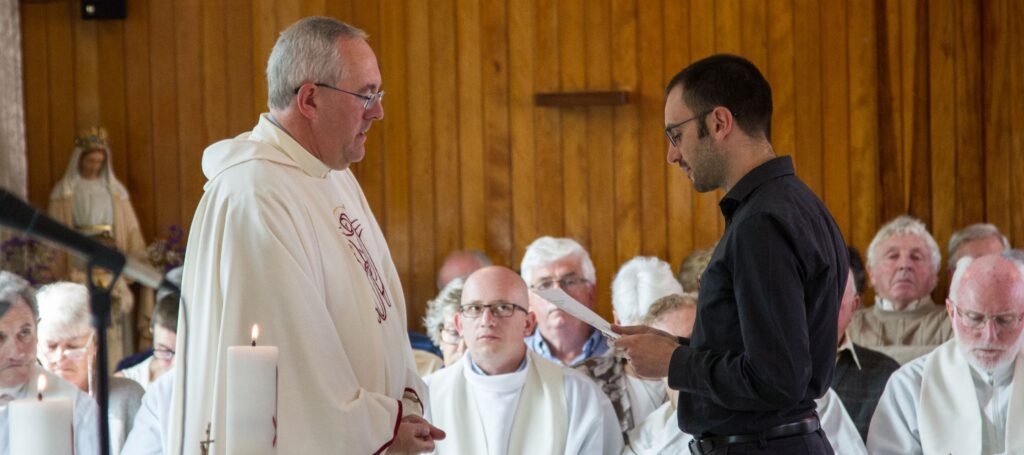
PLEASE SUPPORT OUR MSC MINISTRY
Read more from Bro Giacomo Gelardi MSC:
Jun 24, 2021
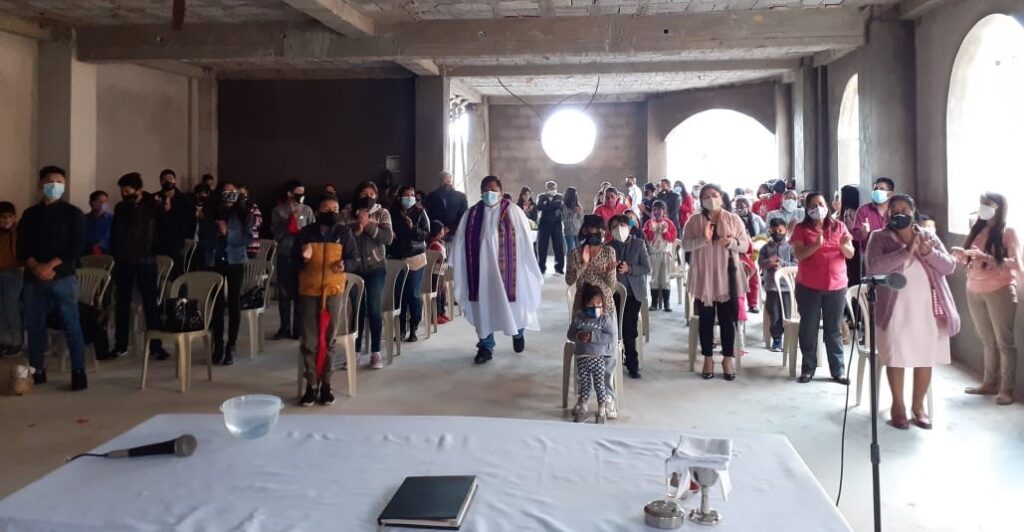 The MSC community in Ecuador del Sur have recently written with gratitude for funding received from the Irish Province, in support of the construction of a new multi-purpose church and community room for the parish.
In a video sent to Irish Provincial Leader Fr Carl Tranter MSC by the people of the parish of St Francis of Assisi, located in the neighbourhood of Ecuador del Futuro, the community introduce themselves: “We are a group of neighbours and friends who have been working for several years, motivated by our dream of having and building our church, to praise God and to listen and share his word.”
The community recently required assistance in completing the first floor of the church and community centre, and with the help of the Irish Province of the Missionaries of the Sacred Heart, our brothers and friends in Ecuador del Futuro were able to make great strides towards completing the necessary work over the past few months.
Coming a long way together
“The work has come a long way with your help,” writes Fr Moacir Goulart de Figueredo MSC, parish priest in the community of San Francisco de Asís, or St Francis of Assisi. “With the resources sent by the Irish Province, and some financial and material donations by the community, we have managed to finish the walls, install windows and glass, put in doors outside and in the bathrooms, begin construction leading to the second floor, complete work in the kitchen, finish the living room floor, and set up electricity, gas, and drinking water.”
“We still have a little left to finish on the first floor,” continues Fr Moacir. “We need bathroom dividers, plus internal kitchen doors and windows. We are going to use further donations for this and we are starting work on it now.”
“The pandemic caused the work to slow down,” he explains. “There was a lack of materials and so we had to wait. It also made it very difficult to manage our community work and it prevented fundraising events.”
St Francis Grotto
One of the main focal points of the centre is the San Francisco Grotto (or St Francis Grotto) window, with a special space underneath for people to visit for personal prayer. This space is dedicated to highlighting the principles of Laudato si’, Pope Francis’ encyclical devoted to the care of our common home.
“We are very happy,” writes Fr Moacir. “We have achieved what was most urgent, and the first floor is now fully operational. We are waiting for an end to the pandemic and the state of emergency so we can continue the work we have begun.”
Fr Moacir has been in contact with the project office for the archdiocese with regard to continuing work in developing the second floor, and has submitted a request for further support in the hope of being able to resume development in July. “If God allows, in July we want to receive the resources to continue the second floor, where we will locate the chapel,” he explains. “We have not received positive responses from other foundations in Ecuador, as many resources are directed to food and medicine because of the pandemic.”
“Thank God, you always remember the poor!”
“We have not yet opened the church and community centre officially, but we are already using it for Masses, catechesis, parent and child meetings, youth groups, altar server training, and music courses. Already, we hear people saying, ‘This is a miracle of St Francis of Assisi!’, ‘We are no longer on the street!’, ‘It is already our special space!’, and ‘Thank God, you always remember the poor!’.”
As they continue in their efforts to raise funds for the second floor of the church and community centre, the people of San Francisco de Asís remind us that “Life is good when you are happy, but life is so much better when others are happy because of you.” “Our plan is to carry out this dream for God,” they explain. “A hug from afar. May God bless you and protect you. You are always in our prayers.”
“The place is beautiful and the people are happy,” concludes Fr Moacir. “I thank you from the bottom of my heart for your generosity. Blessed be God who has given you this generous heart.”
PLEASE SUPPORT OUR GLOBAL MSC MISSIONS
Jan 26, 2021
In the middle of November 2020, the Philippines was hit by Typhoon Vamco (known locally as Typhoon Ulysses), which left in its wake loss of life, severe flooding and damage amounting to millions of euro.
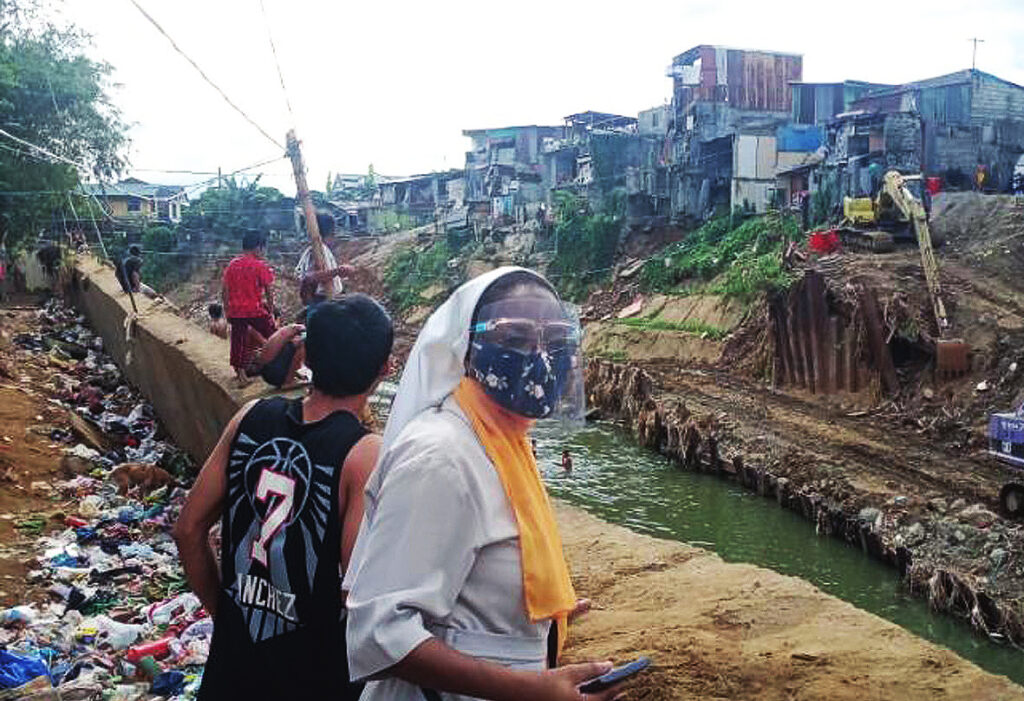
Typhoon Vamco was the most powerful typhoon to hit the country in seven years and the community of 25 OLSH Sisters have been ministering to badly affected families in two very poor areas of Manila.
“In the face of such damage, it is hard to know how to help and what to do,”
writes Sr Ruth S. Yburan FDNSC, Regional Leader of the Daughters of Our Lady
of the Sacred Heart in the Philippines.
The initial focus was on providing emergency aid such as food and water to families who have been left destitute and displaced by the typhoon, and now, the Sisters are helping people to rebuild their lives, starting with purchasing the necessary materials to help people to restore homes that were demolished by the storm.
“This is a long-term task, and we would be very grateful for any assistance you can give us.Please be assured of the prayers and gratitude of the Sisters and the people to whom we minister.”
– Sr Ruth S. Yburan FDNSC
PLEASE SUPPORT TYPHOON VICTIMS IN THE PHILIPPINES