Aug 19, 2026
Novena to Our Lady of the Sacred Heart 2026
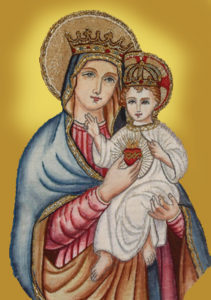
Our annual Novena to Our Lady of the Sacred Heart is a beautiful time of reflection and thanksgiving, when we bring our prayers and petitions before Our Lady.
Our Novena of Masses runs for nine days and will take place from Monday, August 31st to Tuesday, September 8th.
All are welcome to join in this year’s Novena Masses, which will take place daily at 10.00am and 8.00pm at the Sacred Heart Church on the Western Road, Cork. Daily Novena Masses will also be available to watch live from the Sacred Heart Church, as we welcome those who cannot be with us in person.
Céad míle fáilte! The Sacred Heart Parish welcomes each and every one of our mission friends and parishioners, from near and far, to pray with us during this year’s Novena to Our Lady of the Sacred Heart.
Be part of this year’s Novena to the Sacred Heart
At this special time of year, you can help us to help others by supporting our ongoing mission projects, and in gratitude for your contribution, we will be glad to remember your intentions at our daily Novena Masses. You can then submit your personal prayers and intentions online, and our MSC priests will remember your petitions specially throughout the course of the Novena.
The theme of year’s Novena to Our Lady of the Sacred Heart will centre on Mary’s Journey in Dark Faith: Following the life of Mary in the Gospel. Our Novena Masses will be celebrated by Fr Patrick Younge OFM, a prominent member of the Franciscan Order.
Fr Patrick is currently active with the Diocese of Cork & Ross, most recently in the Diocesan Celebration of Consecrated Life. He previously served for six years as the Guardian at the Abbey Franciscan Friary in Galway. He has long-standing historical connection to the Franciscan Friary in Killarney, Co. Kerry, and even authored a historical booklet regarding its heritage. He frequently contributes reflections on prayer, including his widely shared piece the Inner Thirst on prayer, published through religious communities like the Poor Clares Galway. His family ties trace back to Dalkey, Co. Dublin. Each day of the Novena, Fr Pat will preach a short homily.
Each year, the Novena to Our Lady of the Sacred Heart offers great solace and comfort to all who take part, as we bring our prayers and personal intentions before our Holy Mother. As we navigate the ongoing challenges of our troubled world, we come together in the spirit of hope, reflection, and thanksgiving at this sacred time. All are very welcome to join us, in person and online, for our Novena Masses as we come together to reflect and give thanks in the grace and love of Our Lady.
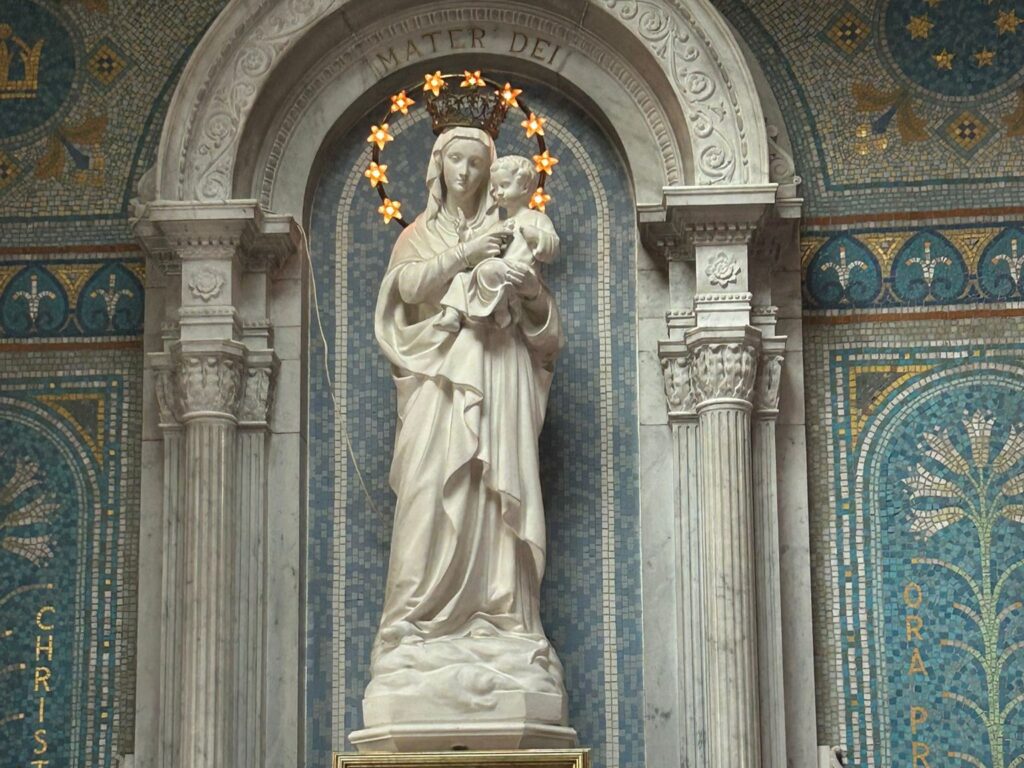
OLSH Novena at the Sacred Heart Church, Western Road, Cork
Daily Novena Masses:
10.00am & 8.00pm
Special Dates to Note
Day of Reconciliation:
Saturday, September 5th
(Reconciliation Mass at 10.00am only)
Day of Healing:
Healing Service and Anointing on Monday, September 7th,
with additional Healing Service at 3.00pm in the Sacred Heart Hall
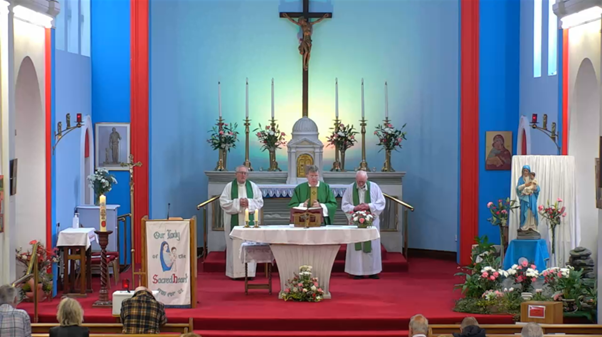
Fr John Fitzgerald MSC prays at the Sacred Heart Church during our 2025 Novena to Our Lady of the Sacred Heart.
For those who cannot be with us in person, you are very welcome to join us for our daily online Novena Masses on our live stream, united in spirit as we pray together as a great family of faith.
We welcome each and every one of you to this year’s Novena to Our Lady of the Sacred Heart.
We hope and pray that these nine days of prayer will be a grace-filled and blessed time for all of us.
TAKE PART IN OUR 2026 OLSH NOVENA
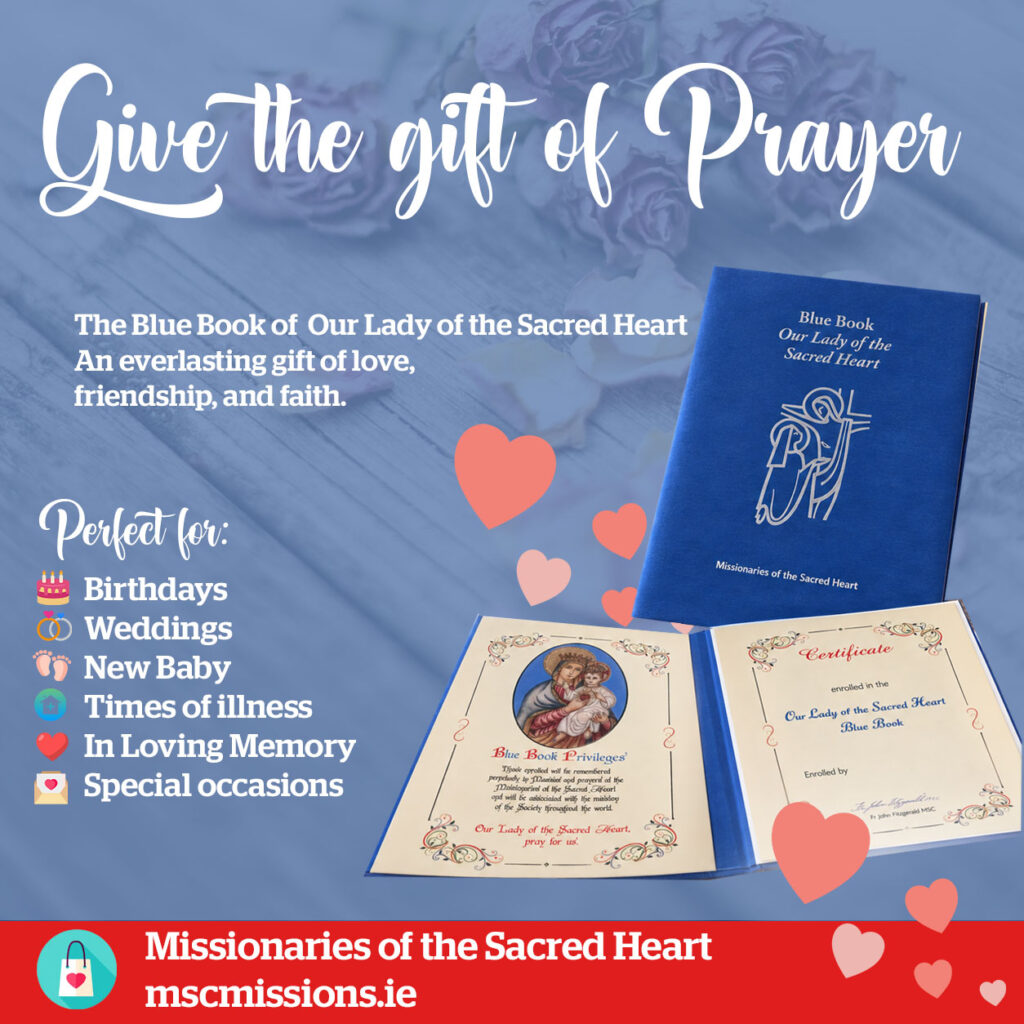
Find out more about the Blue Book of Our Lady of the Sacred Heart.
Aug 13, 2026
Br Deiby Fuenmayor MSC shares the latest update from the Venezuelan earthquake relief programme, following the double earthquake that shook the city of Caracas on June 24th. Aid efforts are ongoing following the disaster, and the Missionaries of the Sacred Heart in Venezuela are working in conjunction with Caritas Caracas to bring vital support to survivors of the quakes.
Today, we share the latest update from Br Deiby, featuring the most recent report on humanitarian response in the wake of the disaster.
MEMORY AND MISSION OF THE CHURCH FOLLOWING THE DOUBLE SEISMIC EVENT
Pastoral Report & Humanitarian Response
Please click here to view the full report PDF.
Memory and Mission of the Church Following the Double Seismic Event
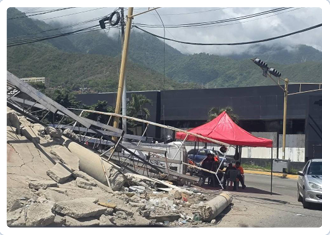
On June 24, the earth shook in the capital city, Caracas, and in La Guaira state. The impact of this double seismic event not only fractured infrastructure and homes, but also claimed human lives and brought deep pain to hundreds of families who lost loved ones, homes, or are currently living in houses at high risk of collapse. However, amidst the distress, the certainty of faith reminds us that the Lord never abandons His people. With our eyes set on Jesus Christ, we renew our trust that God has granted eternal life to every brother and sister who passed away, while maintaining constant prayer for the healing of those left physically, psychologically, and emotionally broken.
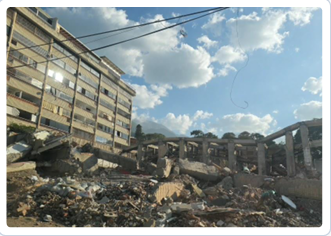
Immediate Response from the Chevalier Family and the Ecclesial Structure
From the very first moments after the emergency, the Church’s response unfolded swiftly to embody the compassion of Christ. The Missionaries of the Sacred Heart of Jesus, together with the laity of the Chevalier Family, took on the mission of reaching out to those suffering, making them feel God’s infinite love in their darkest hour. This work gained strength through coordination with various archpriestships, highlighting the extraordinary and dedicated service of the Propatria archpriestship and neighboring parishes. Temples and community spaces became centers of welcome and solidarity for the most vulnerable families.
Pastoral Synergy: Deployment of Cáritas in the Territory
Humanitarian action and logistical support were strengthened through unified efforts between Cáritas Caracas, Cáritas La Guaira, and Cáritas Venezuela. This alliance enabled direct aid through the distribution of food, drinking water, basic household items, and hygiene kits.
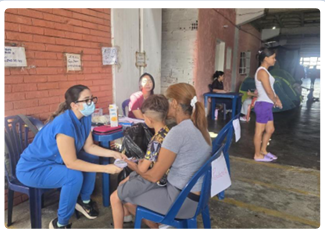
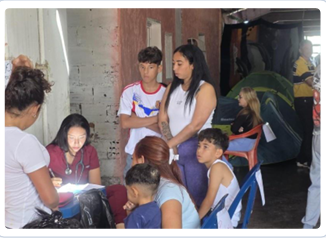
In parallel, comprehensive medical days were organized to treat physical injuries, diagnose illnesses, and provide essential medicine to survivors, guaranteeing holistic care that immediately addresses the most pressing material needs.
Gratitude to Solidarity and Benefactors
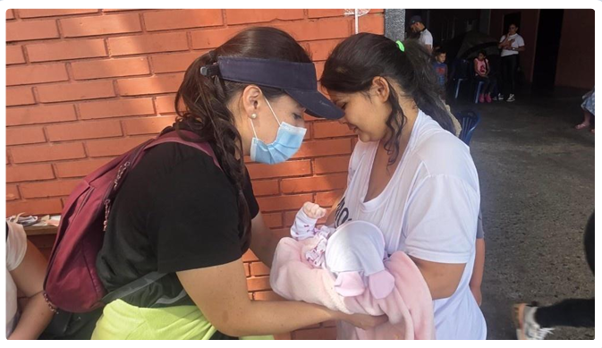
Along this journey, we express special gratitude to all men and women of faith and goodwill who, with generous hearts, have contributed through their income and donations via different Cáritas locations, both nationally and internationally. Every contribution and act of solidarity has truly been a blessing from heaven to aid, accompany, and provide everything our brothers and sisters need during these crucial moments in their history and the history of our country.
Presence in Shelters, Pastoral Care of Listening, and Encouragement for Volunteers
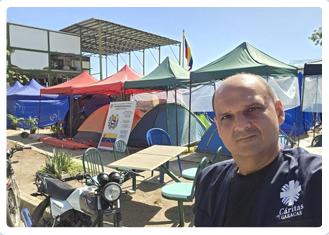
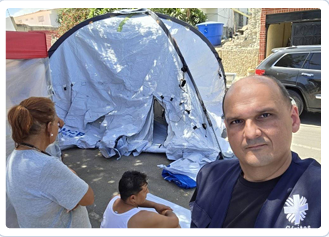
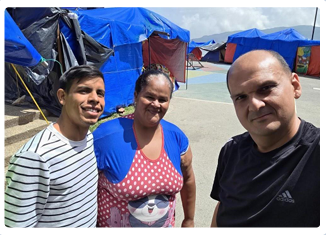
The presence of the Church, apostolic groups, and Cáritas has been prioritised across all temporary camps and shelters. In these places, God’s Word, spiritual support, and a constant pastoral care of listening are brought to those staying there for safety or having lost their homes.
Likewise, this mission extends a deep message of encouragement, strength, and gratitude—in Jesus’ name—to all volunteers who make up the shelter teams. With high responsibility, dedication, love, and selflessness, these men and women care daily for the affected families. This spiritual work is complemented by catechetical training, moments of prayer, and recreational activities that restore hope to children.
Permanent Commitment and Hope Along the Way
Despite the fury of nature and the challenges of the reconstruction process, the ecclesial presence remains steadfast and ready to continue serving in the territory. The Church does not step back after the initial emergency; it reaffirms its commitment to continue walking alongside the suffering people and supporting those who serve with dedication in every camp.
With our eyes fixed on Jesus, the source of life and comfort, the Christian community remains united in prayer, bearing witness to a living faith that transforms pain into fraternity and active hope.
Bro. Deiby Fuenmayor MSC
Pastoral Animator
Caracas, August 12, 2026
Read Br Deiby’s last letter from Caracas
Read more about ongoing relief operations in Venezuela
Aug 13, 2026
The MSC Centre for the Poor and the extended community in the Philippines have been working throughout the summer to bring aid to survivors of an earthquake and flash flood that devastated the region of Jose Abad Santos, Davao Occidental, in July.
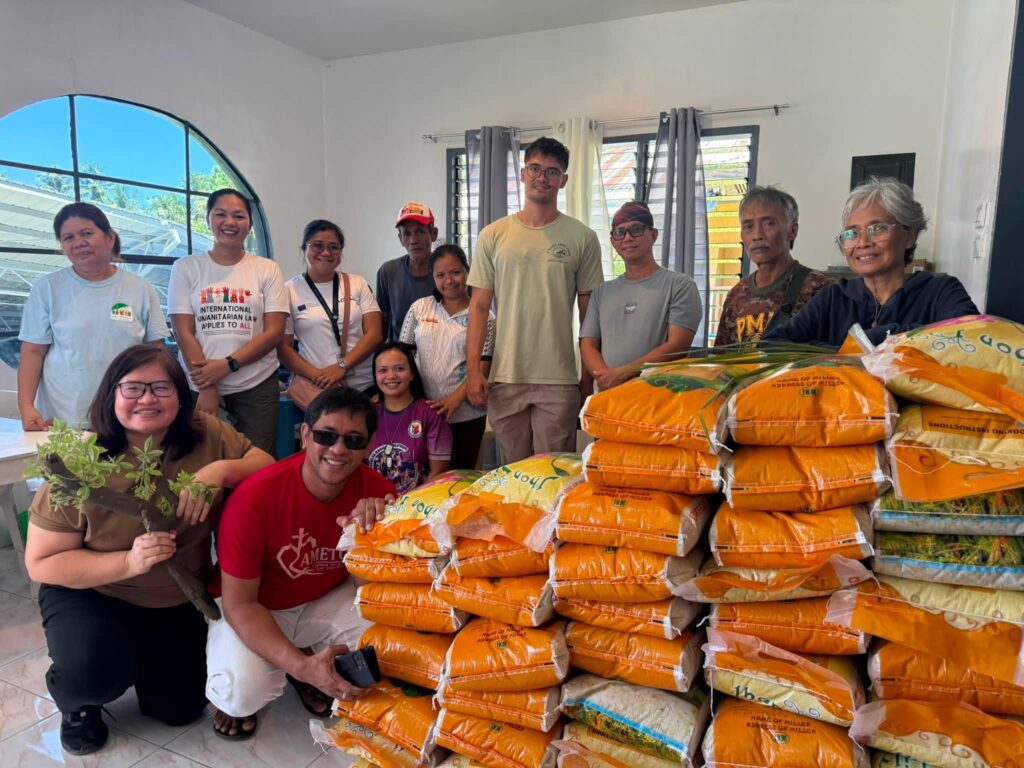
“Help is on the way!” posted their Facebook page in mid-July. “The MSC Center for the Poor team is on its way to Jose Abad Santos, Davao Occidental to bring hope and support to families affected by the recent earthquake and flash flood.”
The team were armed with a plan to support 250 families affected by the disaster, through the distribution of relief packages and Psychological First Aid. “Together, may we become instruments of compassion and hope for our brothers and sisters,” wrote the Facebook page for the MSC Centre for the Poor.
Two days later, the Facebook page posted news of the team’s successful arrival at the relief site. “Despite the challenging and hazardous road condition, the MSC Center for the Poor Relief Team has safely reached one of the communities severely affected by the earthquake and landslides in Jose Abad Santos, Davao Occidental,” they wrote.
Finally, on July 18th, the relief team posted news of a successful mission accomplished. “The MSC Center for the Poor successfully carried out its Relief Operation and Psychological First Aid for families affected by the earthquake and flash floods in Brgy. Magulibas, Jose Abad Santos, Davao Occidental last July 16, 2026. A total of 100 families received assistance through the provision of rice, food packs, cash support, and psychological first aid, bringing hope and comfort during this difficult time.”
The project aimed to reach 250 families, but extremely hazardous conditions made further travel impossible at this time. The mission still ensured that the emergency supplies reached those in need, although the full team were unable to get to the site. “Although our team was unable to reach the devastated community of Brgy. Nuing due to landslides that made the roads impassable, we were still able to extend our support by sending 150 sacks of rice, 10 boxes of drinking water, and food items through the parish to ensure that help reached those in need.”
“Despite the long, difficult, and dangerous journey, our mission was successfully accomplished through God’s grace and the generosity of many compassionate people.
We extend our heartfelt gratitude to the MSC Mission Office for facilitating the donation drive, to all our donors, benefactors, volunteers, and everyone who supported this mission. Your generosity has become a source of hope and healing for our brothers and sisters affected by this disaster.
Together, we continue to be instruments of God’s love and compassion. May God bless you all!”
Our prayers remain with all those affected by the earthquake and flash flood, and all who have worked so hard and given so much to help at the MSC Centre for the Poor and beyond.
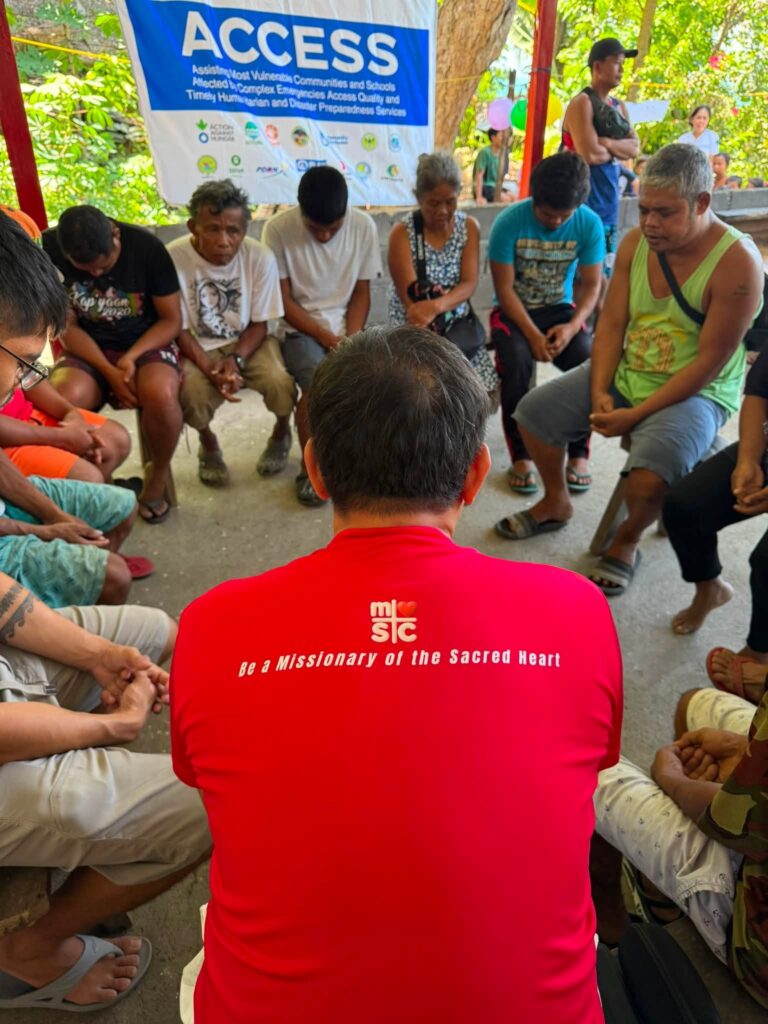
Images via the Facebook page for the MSC Centre for the Poor.
Aug 11, 2026
Br Deiby Fuenmayor MSC shares the latest update from the Venezuelan earthquake relief programme, following the double earthquake that shook the city of Caracas on June 24th. Aid efforts are ongoing following the disaster, and the Missionaries of the Sacred Heart in Venezuela are working in conjunction with Caritas Caracas to bring vital support to survivors of the quakes.
Today, we share the latest update from Br Deiby, featuring the most recent report on the ecclesiastical mission in the wake of the disaster.
SHADOW AND HOPE
The Ecclesial Mission Following the Tragedy
Accompaniment, Faith, and Solidarity in Caracas and La Guaira
Please click here to view the full report PDF.
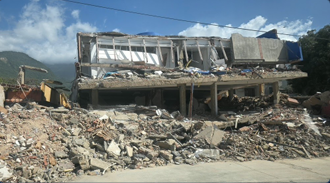
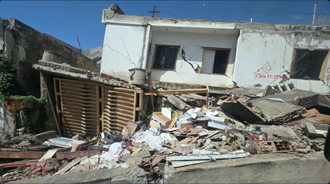
On June 24, a historic mark was left on Venezuela due to the devastating impact of the double earthquake that severely shook the national territory, with the city of Caracas and the state of La Guaira being the most affected epicenters. Faced with the pain of material loss and the regrettable physical departure of numerous brothers and sisters, the human and Christian response was immediate, transforming collective grief into a vast network of fraternity and uninterrupted service.
The Living Presence of the Church on the Ground
Given the magnitude of the emergency, diocesan and parish service structures deployed an immediate and sustained effort. The coordinated labor between Cáritas Caracas, Cáritas La Guaira, various religious congregations, priests, and an innumerable contingent of faithful men and women has represented a living light of hope amid the ruins.
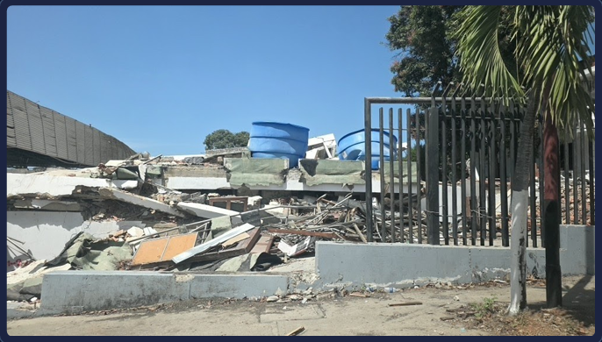
This extraordinary dedication has materialized in the receipt, sorting, and transparent distribution of all supplies and provisions collected at official collection centers, meticulously organized by both the Archdiocese of Caracas and the Diocese of La Guaira. Each package delivered carries not only material relief, but also the comforting embrace of an entire community that refuses to leave anyone behind.
“We ask the Lord to reward all our deceased brothers and sisters with eternal life, and that those who are still on their pilgrimage carry in their hearts the firm conviction that God accompanies, listens to, and walks beside His beloved people.”
Comprehensive Care in Shelters and Temporary Camps
At the heart of this humanitarian effort, the work of La Santa Cruz Parish together with the Missionaries of the Sacred Heart (MSC) stands out. Their constant presence in temporary camps and shelter centers located within the parish jurisdiction as well as in other key areas of the Propatria Archpriestship encompasses comprehensive and cross-cutting care:
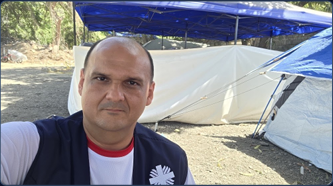
The Ministry of Listening: Spaces for emotional relief and support for families impacted by loss and trauma.
Sacramental Accompaniment: Celebration of faith, reconciliation, and the Eucharist, renewing the spiritual strength of those affected.
Recreational and Community Spaces: Activities directed toward children, youth, and older adults to instill joy and restore community routine.
United in Divine Providence
Despite physical adversity and the complexity of the situation, the Venezuelan Church reaffirms its absolute trust in God’s Providence. The solidarity shown by institutions, volunteers, and individuals continues to be received with deep gratitude, allowing care to remain steady during the most complex stages of recovery.
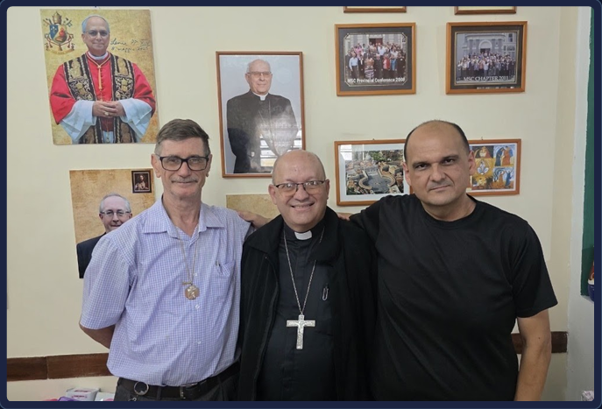
The testimony of communion and pastoral and priestly dedication throughout the Propatria and Catia Archpriestship confirms that, even amid rubble and uncertainty, charity and hope remain firm and unwavering.
Fraternally,
Br. Deiby Fuenmayor, MSC
Pastoral Animator
Caracas, August 8, 2026
Read Br Deiby’s last letter from Caracas
Read more about ongoing relief operations in Venezuela
Aug 6, 2026
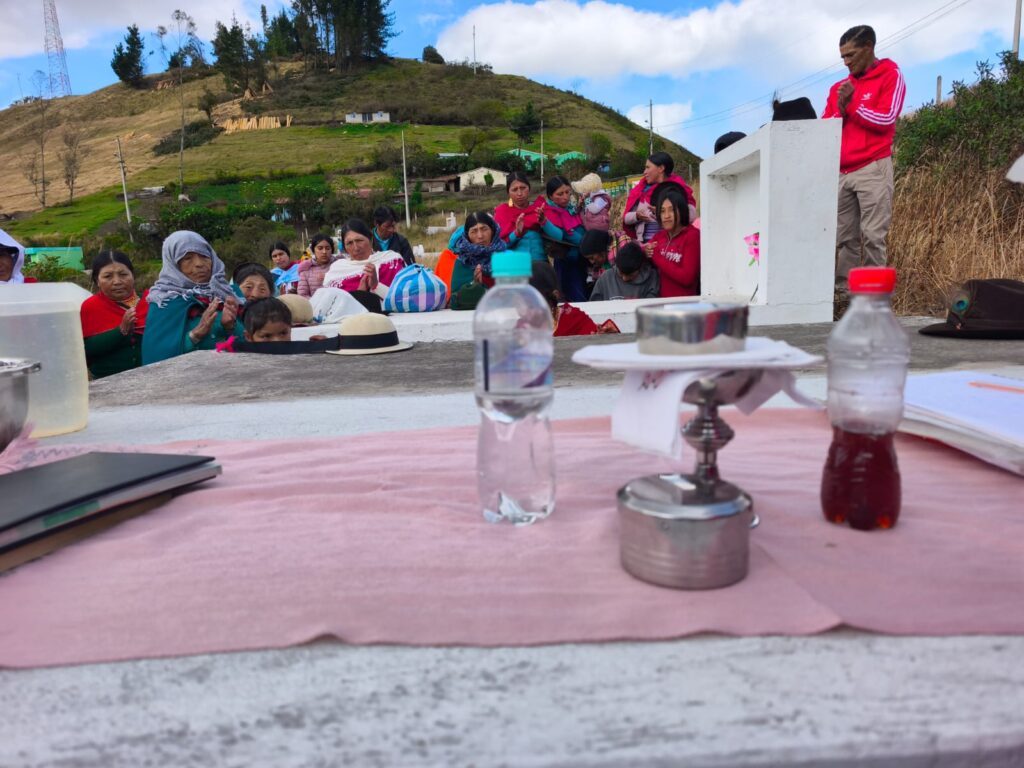
In July, Ecuadorian Section Leader Fr Marcelo Campoverde MSC led a special Mass at a local cemetery in remembrance of loved ones who have gone to their eternal rest in the Lord’s embrace. The ceremony was both poignant and uplifting, as the community remembered their dead and celebrated their earthly lives and loves.
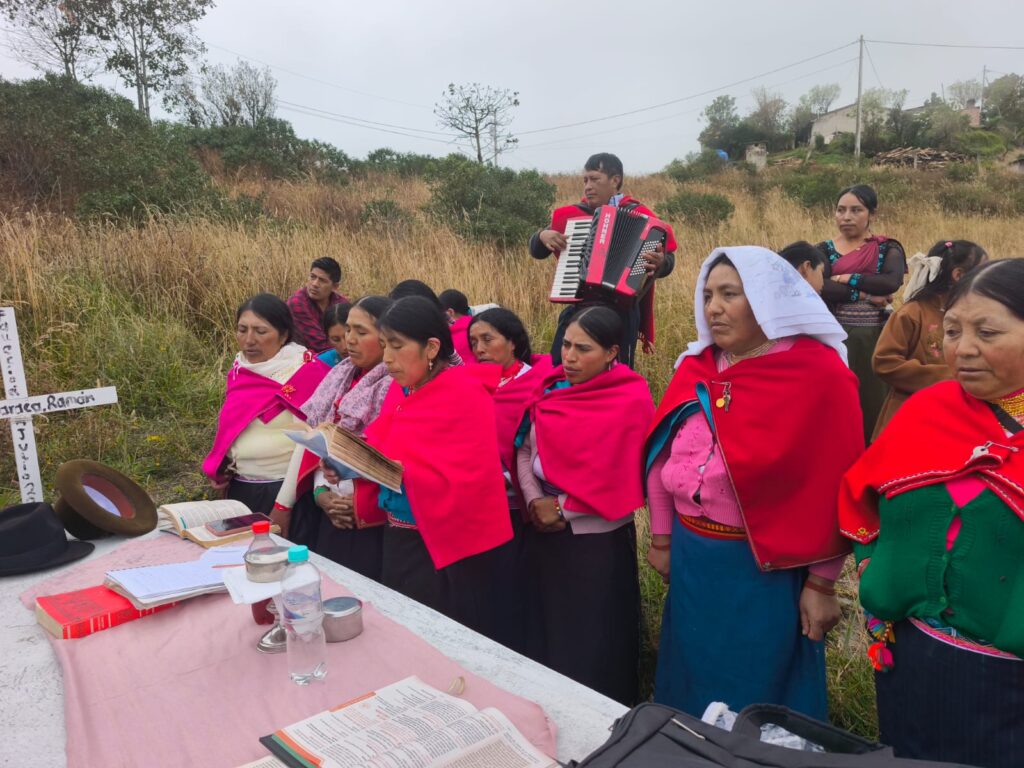
The MSC mission in Ecuador is looking forward to an exciting August, with a third Ecuadorian priest, Diego, due to be ordained on August 8th. “We are working to place greater emphasis on youth and vocation ministry,” writes Fr Marcelo. “Diego will be the one leading this work, utilizing social media and working with young people in our parishes. I ask for your prayers for him.”
We pray for Diego, Fr Marcelo, and all on the MSC mission in Ecuador, with every grace and blessing of the Sacred Heart. We remain truly grateful for the support of our mission friends and benefactors here at home, which goes such a long way in helping Fr Marcelo and indigenous communities in Ecuador. May God bless you all.
IF YOU CAN, PLEASE SUPPORT OUR GLOBAL MISSION PROJECTS
Aug 5, 2026
Br Deiby Fuenmayor MSC has shared further updates from the Venezuelan earthquake relief programme, following the double earthquake that shook the city of Caracas on June 24th. Aid efforts are ongoing following the disaster, and the Missionaries of the Sacred Heart in Venezuela are working in conjunction with Caritas Caracas to bring vital support to survivors of the quakes.
Today, we share the latest video update from Br Deiby and the Caritas team, and the most recent report on the ongoing outreach programme.
Faith and Hope Accompaniment After the Earthquakes
Humanitarian and Pastoral Assistance Mission: State of La Guaira and Caracas, Venezuela
Please click here to view the full report PDF.
A Call Not to Lower Our Guard Amid Adversity
After the devastating double earthquake that shook our country on June 24th, leaving deep scars of pain and extensive material losses across various regions, the Catholic Church, through Cáritas Caracas and the parish network, reaffirms with renewed commitment its uninterrupted presence alongside the most affected communities and families.
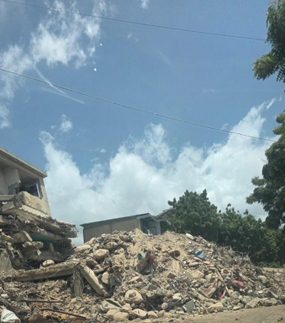
Accompaniment in Shelters and a Call to Solidarity
We make a fraternal and urgent appeal to all Venezuelan people and to all people of goodwill: Let us not lose heart, let us not be careless, and let us not lower our guard!
The initial emergency has transitioned into a crucial stage of human, social, and spiritual support. The pain of our brothers and sisters requires us to keep the flame of solidarity alive and continue channeling aid through the various collection centers established in both the Archdiocese of Caracas and the Diocese of La Guaira.
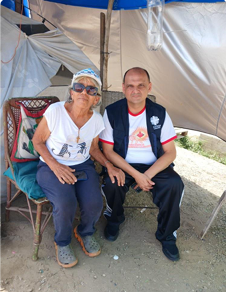
“Our greatest strength is the faith we share. We will rise again! Jesus Christ does not remain distant from suffering; He walks side-by-side with every man and woman in these crucial moments.”
Impact of the Tragedy and the Pastoral Response
The double seismic movement caused atrocious damage to infrastructure and housing. Although the city of Caracas suffered severe damage in several sectors, the State of La Guaira was the area of greatest impact and devastation.
Faced with this difficult reality, the ecclesial response has not been limited solely to the delivery of material provisions.
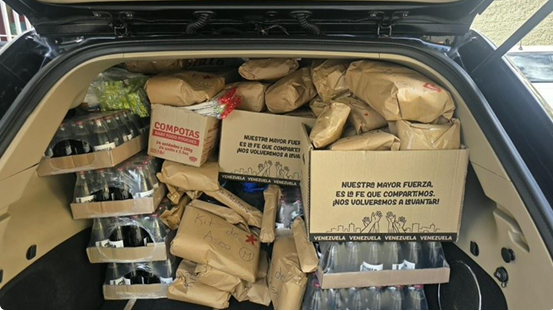
“OUR GREATEST STRENGTH IS THE FAITH WE SHARE. WE WILL RISE AGAIN! VENEZUELA VENEZUELA VENEZUELA”
Direct Assistance and Support Framework
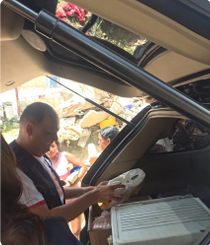
Material Aid in Collection Centers
- Non-perishable food: Baby food, infant formula, and grains.
- Personal Hygiene Kits: Soap, diapers, and toiletries.
- Drinking water & medicines: Priority medical supplies.
- Responsible distribution: Direct delivery to the most vulnerable families.
Spiritual and Human Accompaniment
- Pastoral Listening: Offering comfort and emotional guidance.
- Proclamation of the Word: Bringing the light of the Gospel to pain.
- Fraternal Closeness: Walking alongside those who suffer in the shelter.
- Community Prayer: Constant intercession for victims and grieving.
The Comfort of Christ and the Conviction of Hope
Amid the rubble and difficulty, the central message of our faith remains steadfast: Jesus Christ remains and walks with every man and woman. Through Pastoral Listening and the close presence of our priests, religious, and laity, we continue to offer spaces for emotional relief, affective containment, and spiritual strength.
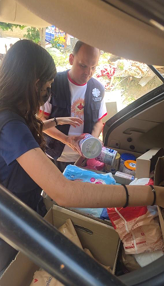
We express our deep gratitude to every person, family, and institution that, with their valuable contribution, makes it possible for this work to continue. Every donation and every prayer translates into a tangible embrace from the Church for those who need it today.
Closing Reflection and Commitment
We offer our special prayers for the eternal rest of all those who lost their lives in this tragedy, and we ask the Lord to grant fortitude, peace, and conviction to those of us who are still journeying through this arduous trial of life.
“We press on, united in the Love of the Sacred Heart.”
Bro. Deiby Fuenmayor MSC
Missionaries of the Sacred Heart
La Santa Cruz Parish (Propatria)
Date: August 4, 2026
Read Br Deiby’s last letter from Caracas
Read more about ongoing relief operations in Venezuela