Jun 5, 2018
Having graduated from the Loreto Secondary School in Rumbek, South Sudan, Salome Piath Gum began work in the Loreto Primary School as part of the Loreto Graduate Programme. In this role, she is gaining invaluable skills and taking the next steps towards a positive future as a successful, independent woman. Here, Salome tells us how the Loreto Graduate Programme has changed her life for the better.
“I love my job.”
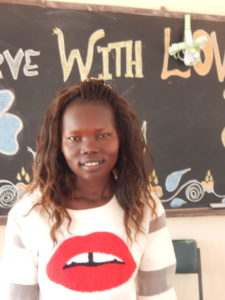 “I am the office secretary at the Loreto Primary School. My daily tasks include typing, printing, photocopying, recording results, filing, and answering the office phone. I facilitate the students as they attend the clinic, I issue school uniforms, and I make sure that the offices and classrooms are locked securely after the school day. I also act as a translator at meetings with the local staff and teachers, and take minutes during these meetings. Sr Orla is my mentor.
I really enjoy working with the students, especially when I’m giving uniforms to small children. They are very funny – they always make me laugh when we talk, asking me different questions about what I’m doing and what different things in the office are used for.
My job can be quite pressurised at times, especially during examinations. At these times, I am kept very busy typing, photocopying, and recording results on the computer. Some teachers also pass work on to me. However, I love my job, and I try to complete my tasks as quickly as possible so that everything gets done.”
“At home, I face a bigger challenge… but I persevere.”
“At home, I face a bigger challenge. I am the eldest girl in the family, and I am an orphan. I want to continue with my education, but I face a lot of difficulties. My siblings are suffering, because they are in school and they don’t have enough food. My cousin paid my school fees during my secondary school education, but is unable to pay for my university studies.
I accept the situation and I persevere, hoping that I will get the chance to study further. My ambition is to go to university. I have already learned computer skills, communication skills, and administration skills. I was not expecting to have the opportunities to develop my translation skills, but I can now easily translate Dinka into English and vice versa.
In the future, I would like to be able to train others in clerical and administration skills. I can also use these skills to work anywhere in the community. I would like it if this programme could be expanded further in order to help more of our graduates who are looking for similar opportunities.”
We at the Missionaries of the Sacred Heart are proud to be able to support the Loreto community in their graduate programme, and we extend our sincere thanks to our mission friends in Ireland and around the world for continuing to care.
PLEASE HELP US TO TRANSFORM LIVES IN SOUTH SUDAN
May 29, 2018
Since February, the MSC Mission Office in the Philippines have been working to bring aid to families affected by the eruption of Mount Mayon. Between January 13th and February 1st 2018, the volcano of Mount Mayon erupted more than 35 times, and over 85,000 people were forced to evacuate their homes by the middle of February.
The volcano continued to spew lava and ash for some time following these eruptions, causing thousands of cases of respiratory diseases and severe overcrowding and lack of supplies in evacuation centres. In some cases, over 20 families were crowded together in one classroom, just so that they had somewhere safe to stay in the aftermath of the eruptions. The MSC Missions Office in the Philippines were on the scene to provide evacuees with immediate essentials such as food and clean water, and they are now continuing to support displaced families by providing vital aid.
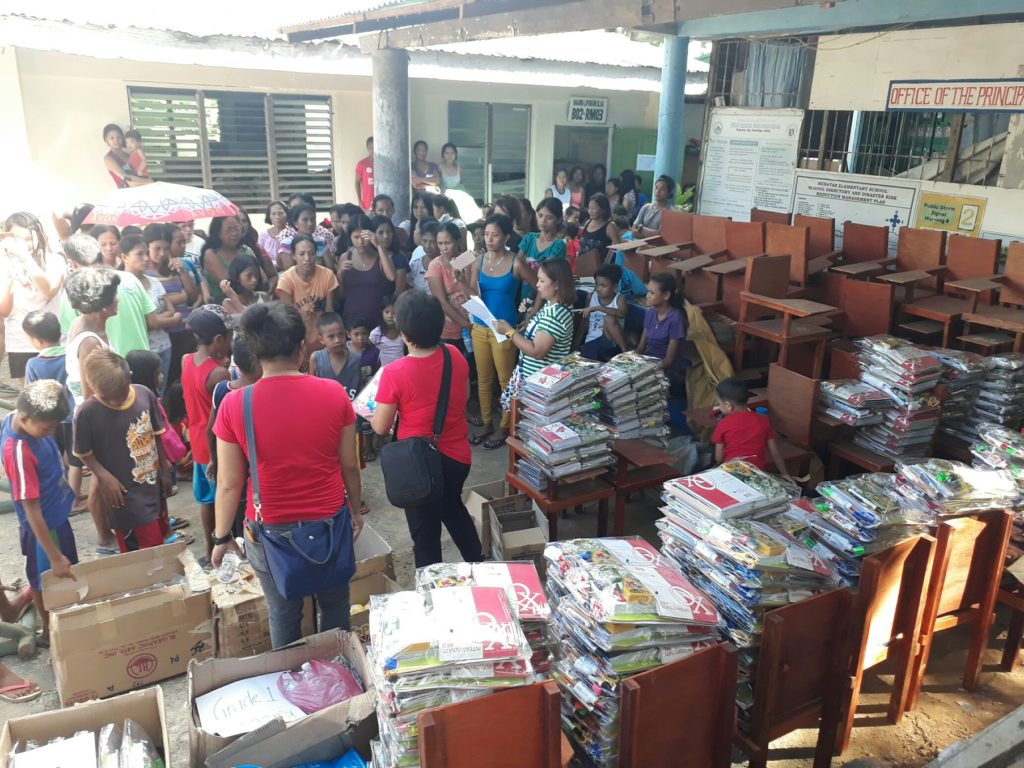
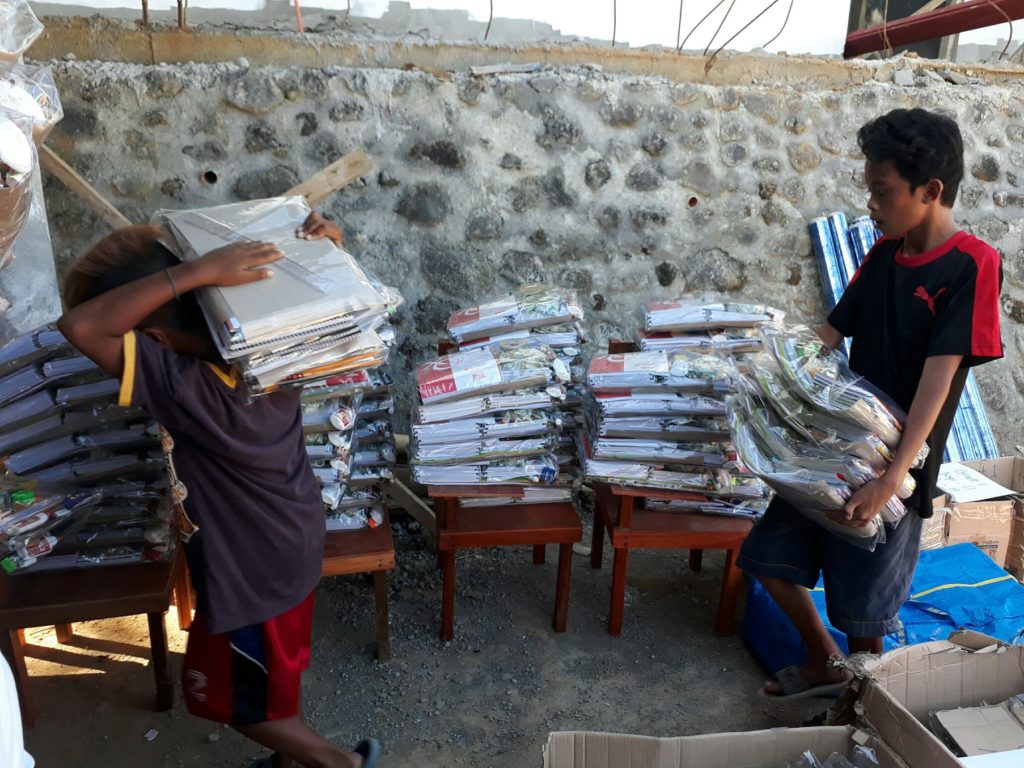
In May, the MSC Missions in the Philippines ran a School Supplies Distribution Project in Buhatan Elementary School in Sto. Domingo, Albay as part of the second phase of the Mayon Mission Outreach Programme. A total of 224 students were given a school supplies kit, containing notebooks, paper, crayons, pens, pencils, an eraser, a pencil sharpener, a ruler, scissors, sticky tape, and a tumbler.
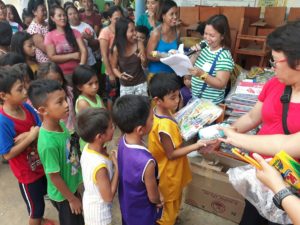
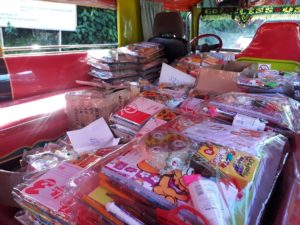
“The teachers and parents were very grateful for the help that was extended to their children,” says the MSC Missions Office in the Philippines. “We would like to thank the donors and benefactors who shared their resources for the procurement of school supplies. We would also like to thank the Mayon Mission Outreach team in Albay for helping us to prepare the school supplies kit and organise the outreach activity.”
For the latest updates from the MSC Missions in the Philippines, please visit their Facebook page.
PLEASE SUPPORT OUR MISSION PROJECTS IN THE PHILIPPINES
May 22, 2018
Marius Rahayaan is a student at Siwa Lima St Joseph’s Technical School in Langgur, Indonesia. Built in 1970, the school is run by the Missionaries of the Sacred Heart with the aim of educating young people in the region so “they can do something good for themselves and for their families”. In a region where poverty is a pressing issue, St Joseph’s provides the youth of the community with hope for the future. Here is Marius’ story:
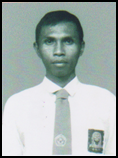 “My name is Marius Rahayann and I am 22 years old.
I have a simple family, but I am proud of it. I chose to go to St Joseph’s Technical School because my uncle also graduated from this school, and he now has practical skills and can do something useful for his family. Seeing this gave me great motivation to go to the same school.
I am in the third class now. During my time in this school, I have been actively involved in all of my classes and programmes. I am diligent in my study, I work hard, and I have learned to appreciate and respect my teachers and my fellow students. I have received certificates for my achievements in learning and I am so proud of these.
I am especially proud because I now have the skills to do great things. I can make items which I can then sell to pay my school fees and contribute to my family. I am very glad to be a part of this school, and I am very thankful to be a student here. Above all, I am thankful to God for His blessings on me – may God bless us all.”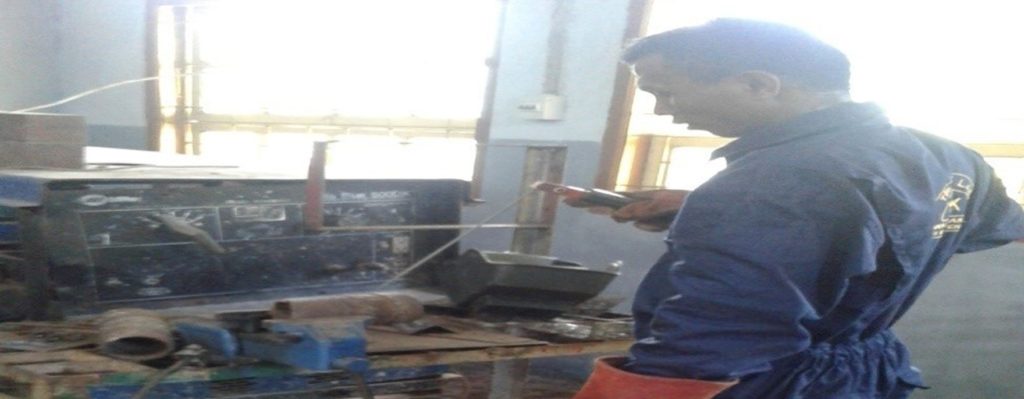
PLEASE HELP US TO TRANSFORM LIVES IN INDONESIA
May 15, 2018
Elizabeth Aghar Mark is a graduate of the Loreto Secondary School in Rumbek, South Sudan. She has remained with the Loreto community as part of their graduate programme, where the care, guidance, and tuition given have provided Elizabeth with the potential for a future filled with hope and possibility. Here, Elizabeth shares what the Loreto Graduate Programme has meant to her…
“I have the courage and confidence to accomplish the world.”
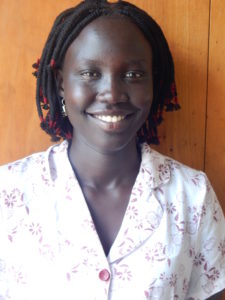 “I work as an office assistant, with Sr Orla as my mentor. I deal with photocopying, printing, and working with the school administration.
I enjoy my work, such as photocopying, printing, and making certificates and report cards, as it is giving me great experience in clerical and administration work for the future. Sometimes, there is a lot of work to do, and I have to work for more hours than I am supposed to some days. I see this as a challenge that makes me stronger, and I have the courage and confidence to accomplish the world.”
“At home, I faced another challenge, as some of my relatives wanted me to be married off.”
“At home, I faced another challenge, as some of my relatives wanted me to be married off. This was settled by my father, when I approached him and explained that I want to achieve further studies. My father agreed and suspended the marriage, and now my plan is to go to university and get a job so I can help to support my parents and my brothers and sisters.
In my current role, I have learned computer skills, office management skills, and teaching skills. I was not expecting to gain experience in teaching, and now I would like to be a lecturer in South Sudan after my further studies. I find teaching very exciting, and I hope that the Loreto community can continue with this programme, as it benefits so many graduates by preparing them for the future.”
We at the Missionaries of the Sacred Heart are proud to be able to support the Loreto community in their graduate programme, and we extend our sincere thanks to our mission friends in Ireland and around the world for continuing to care.
PLEASE HELP US TO TRANSFORM LIVES IN SOUTH SUDAN
May 11, 2018
At the end of April, the MSC Missions Office in Cork received a lovely letter from Fr Ondrej Slavik in Saratov, Russia. Fr Ondrej got in touch to extend his thanks to the mission friends of the Irish Province of the Missionaries of the Sacred Heart for their kindness and generosity, as a recent donation has allowed for the purchase of a new minibus to assist in parish activities.
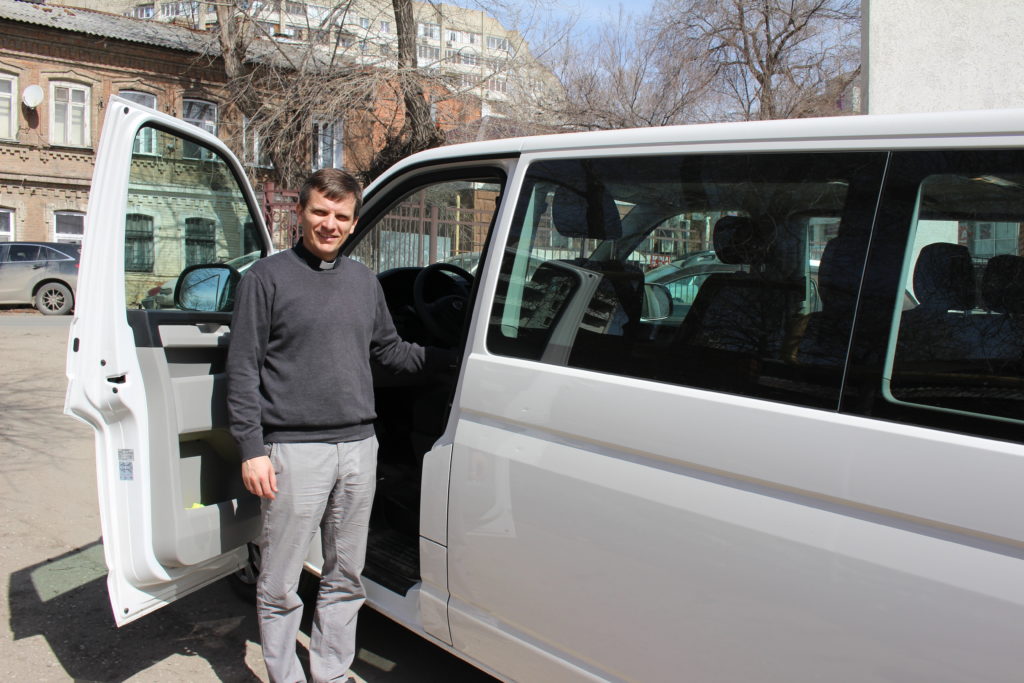
Together with Bishop Clemens Pickel, Fr Ondrej appealed for helping in buying a minibus for the parish of St Clement in Saratov. “I am very pleased to inform you that, thanks to your support, we were able to purchase a new VW Caravelle minibus for the pastoral activities of our parish,” writes Fr Ondrej.
“On behalf of myself and the whole parish, the people whom this car will serve, I express my most sincere gratitude.”
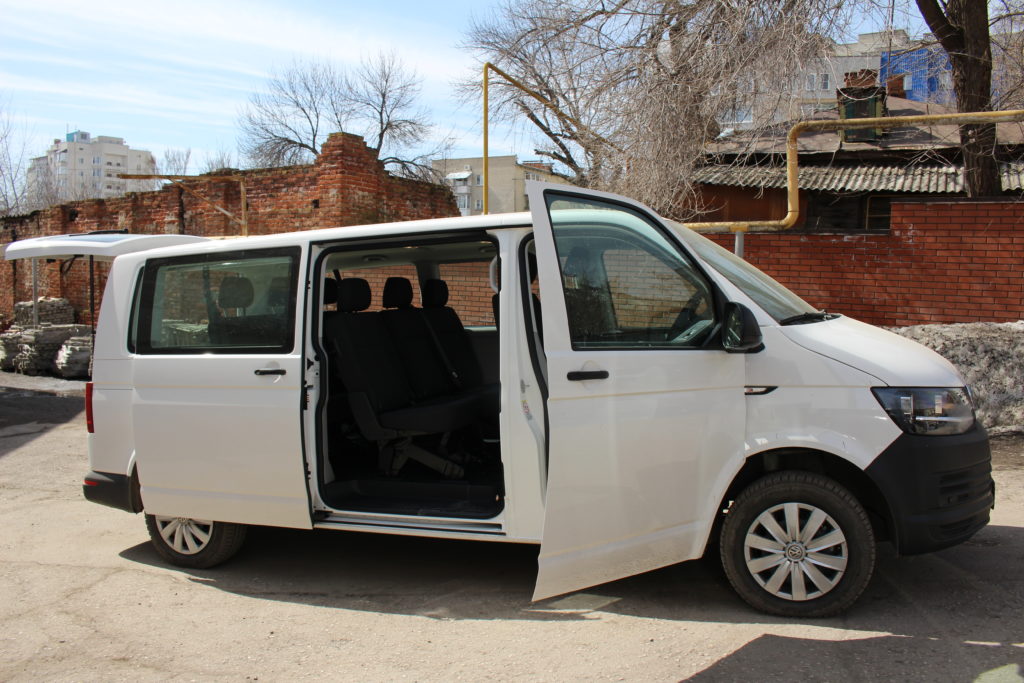
The Missionaries of the Sacred Heart have been working to share the message of God’s love in Russia for over 20 years, as the country’s churches began to rebuild themselves after their collapse during the revolution. The Russian mission began with just three MSC priests in 1995, and today, the Missionaries of the Sacred Heart continue to support the work being done by local communities in Russia as we encourage social and spiritual development in regions in need.
PLEASE SUPPORT OUR MSC MISSIONS WORLDWIDE
May 8, 2018
We are delighted to hear that the first group of Loreto graduates have moved into the MSC Graduate House & Women’s Shelter!
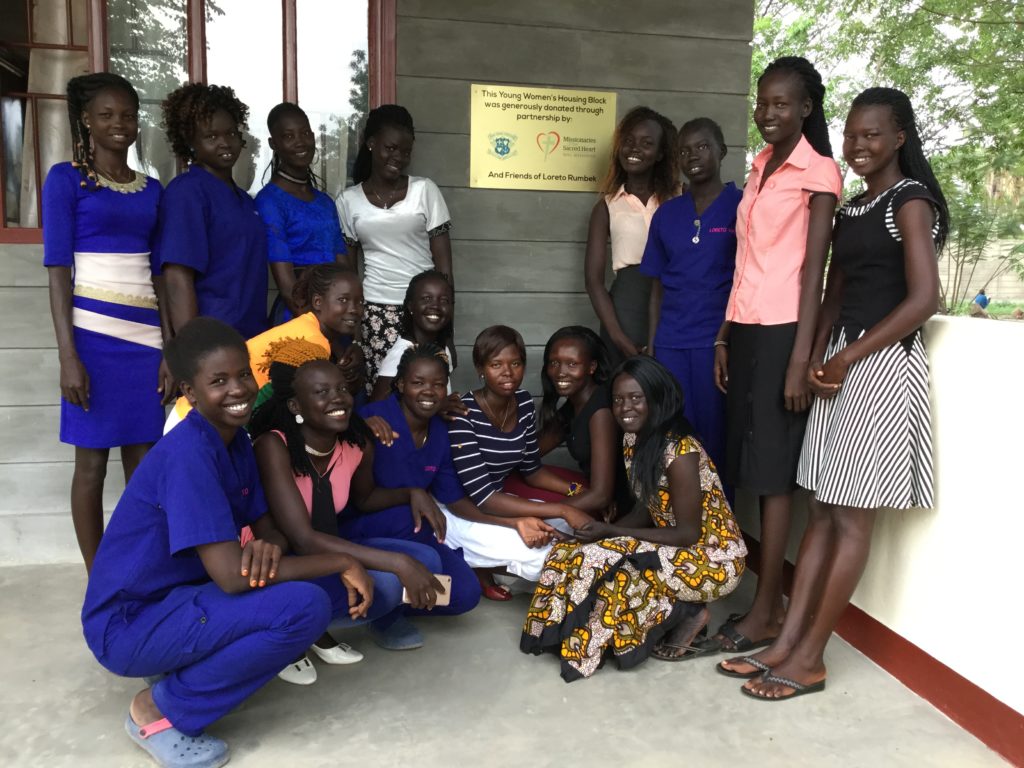
Last summer, we asked our mission friends in the Irish Province to join with us and reach out to help the Loreto Sisters to transform lives in South Sudan. A country in the grip of a terrible crisis, the community of Rumbek faced unimaginable struggles with violence, illness, and malnutrition – and it still does.
Thanks to the kindness and generosity of spirit shown by our mission friends in Ireland and around the world, the Missionaries of the Sacred Heart have been able to send support to the Loreto Sisters in Rumbek, where they run a primary school, a secondary school, a health care unit, and a graduate programme. They have already been able to make a difference to thousands of local people, and now, the MSC-funded Graduate House & Women’s Shelter has opened its doors to 16 young women who are working towards a brighter future.
The graduate programme will allow them to develop their skills and talents within various employment roles, giving them a solid foundation for future careers. This endeavour has lit a beacon of hope where the future once looked bleak, and we wish the Loreto community all the very best as they begin this exciting new chapter!
Read more about the work of the Loreto community in South Sudan as they celebrate 10 years in Rumbek.
You can also find out more about recent developments at Loreto Rumbek here.
PLEASE HELP US TO SAVE LIVES IN SOUTH SUDAN
You can also follow the Loreto Schools’ progress via Facebook or on their website.