Aug 9, 2017
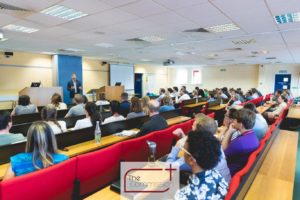
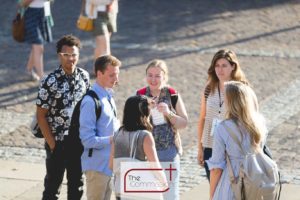 The Commission was a project that came from a group of people with a passion for university mission in the UK. Originally piloted in Richmond 2016 (then Student Leadership Training), The Commission was a huge success among the seventy students who attended. They went away after three days with a new found enthusiasm and skill set for modern day discipleship on campus!
In 2017, it went to the next level. From the 9th until the 12th of July, the Commission was held in St Mary’s University in Twickenham, featuring speakers from the FOCUS college evangelisation team from the US.
 FOCUS (Fellowship of Catholic University Students) are a group inspired and conceived from Saint John Paul II’s call to “New Evangelisation”. Their mission is to simply live the great commission which Jesus instructed through student outreach on university campuses. Using tools they have developed specifically for the evangelisation of young people, FOCUS now have over 500 missionaries on 100 campuses in 36 of the United States of America. (more…)
Aug 8, 2017
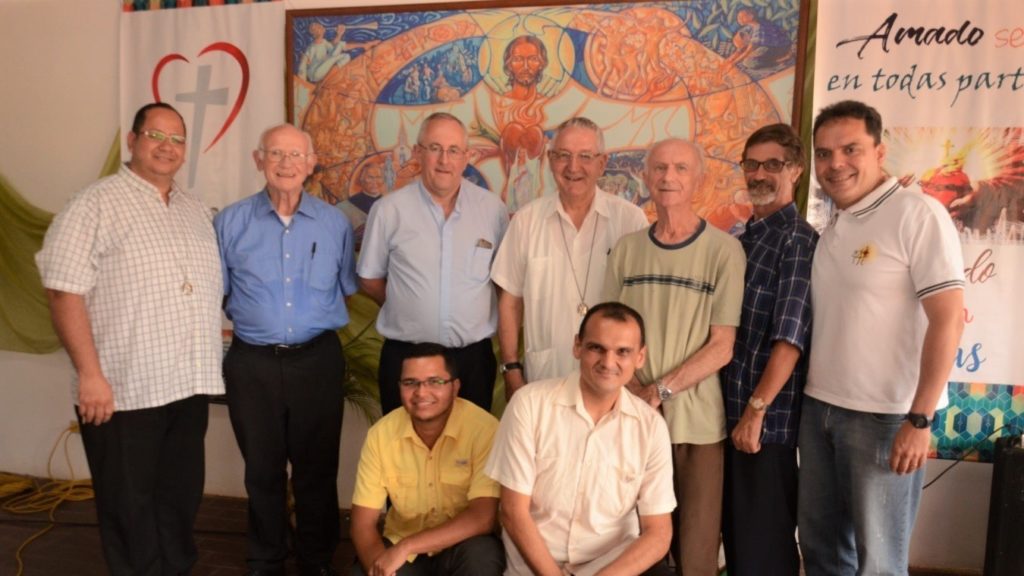
The summer of 2017 marked 50 years since the first MSC mission began in Venezuela.
Today, the Missionaries of the Sacred Heart are the only Irish priests working in this turbulent region, where social and political turmoil mean that daily life is fraught with danger and suffering for local people.
MSCs bring the message of God’s love to the homes and hearts of the people
In June of 2017, Irish and Venezuelan MSCs joined together with local parishioners in Maracaibo and Caracas to commemorate the Golden Jubilee of the Venezuelan mission, which began in 1967. Celebratory Masses took place across the region, with a special outdoor ceremony in the parish of La Santa Cruz, Caracas, on June 17th.
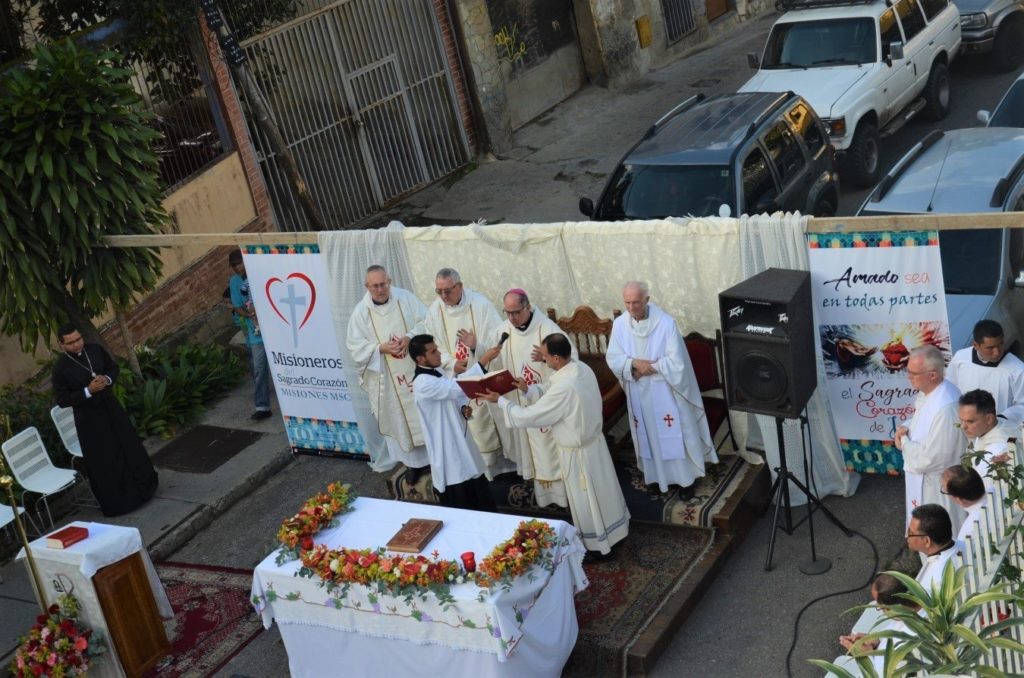
An altar was set up outside the parish church in order to accommodate the large crowds in attendance, reflecting the true essence of the MSC mission: to make God’s love known everywhere, and to everyone. Our mission is not limited to the church or the sacristy – our missionaries bring the message of God’s love to the homes and hearts of the people, no matter where they may be.
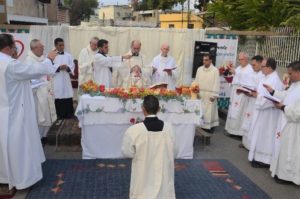
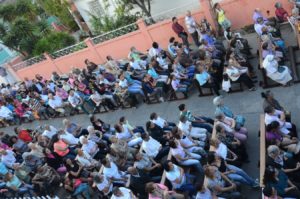
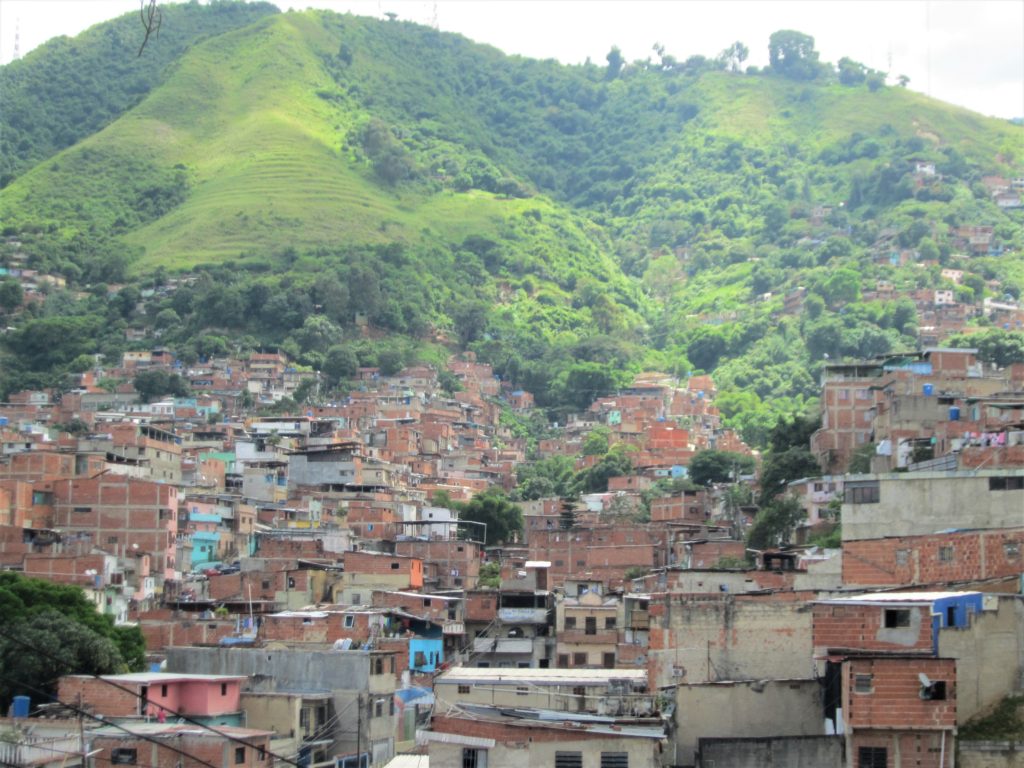
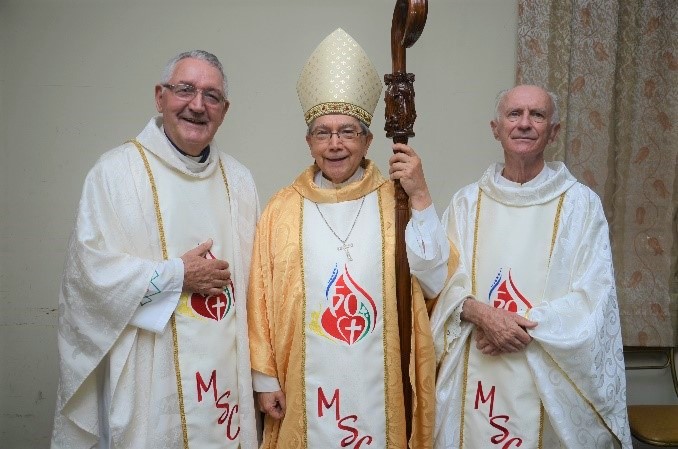
The Jubilee celebrations also commemorated Fr Joe Ruddy MSC, who is retiring from the Venezuelan mission after 50 years of dedication and service. In 1967, Fr Joe arrived in Venezuela with three Irish MSCs: Fr Eamonn Donoghue, Fr Vincent Screene, and Fr Tony Moran. Since then, Fr Joe and a growing community of MSC brothers have gone up into the hills and out into the streets of the barrios to minister to parishioners living in the slums, helping local people to take pride in their parishes as they work together with a renewed sense of unity and co-operation.
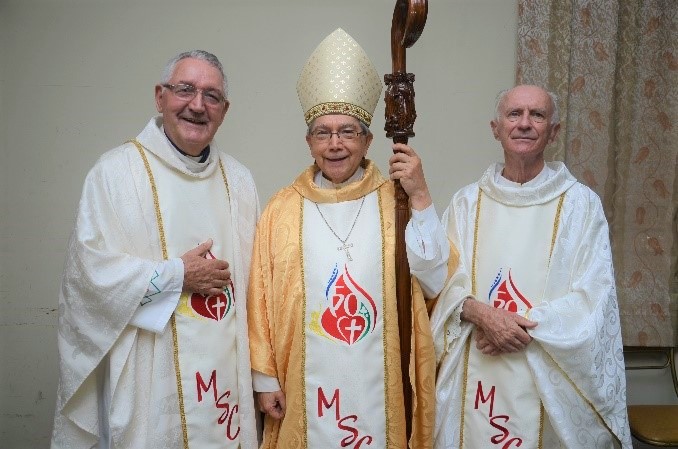
Looking to the future with hope
Today, Venezuela is a troubled land, one where poverty, hardship, and social and political unrest motivate young Venezuelans to go abroad to create better lives for themselves. During this time of great disorder and uncertainty, the MSC Golden Jubilee celebrations offered missionaries and locals alike the opportunity for reflection on the achievements that have been accomplished over the last 50 years, and hope for better things to come in the years ahead.
During his time as Irish Provincial Leader, Fr Joseph McGee MSC visited Maraciabo and Caracas to take part in the Golden Jubilee celebrations. Read more about his thoughts on our Venezuelan mission here.
PLEASE HELP US TO CONTINUE OUR VITAL WORK IN VENEZUELA
Aug 8, 2017
The summer of 2017 marked 50 years since our MSCs first reached out to help the people of Venezuela in 1967. To commemorate our Golden Jubilee Fr Joseph McGee MSC, during his time as Irish Provincial Leader, visited our Venezuelan missions in June of 2017. Here, he shares his thoughts on our ongoing mission as we look ahead to the future of this troubled region.
Fr Joe writes, “I have been coming here for the past 12 years and have had much food for thought on each visit. Nevertheless, on this occasion, I left feeling very disturbed by what I witnessed. The feeling of unrest is palpable in this region of social and political turmoil.
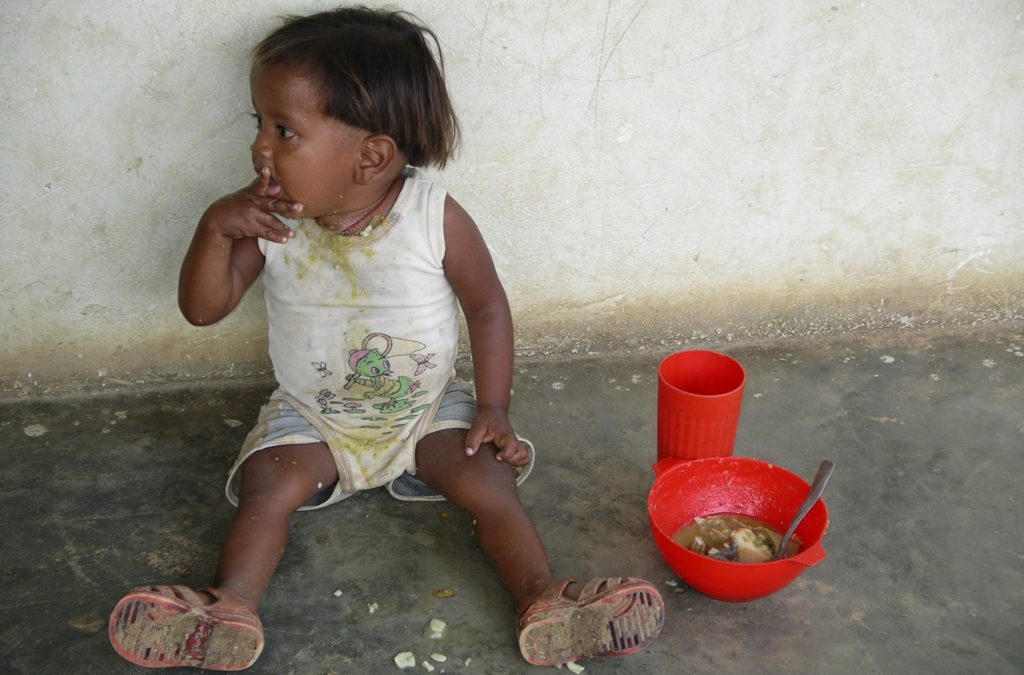
An inflation rate of 700% means that food shortages and exorbitantly high prices are the order of the day. Long queues in shops and at petrol stations are a regular occurrence. When, for example, word gets out that the local bread shop has bread for sale, people will queue for hours to buy a loaf of poor-quality bread.
Soap for personal hygiene or for laundry is a luxury item and is rationed. Clean water is a scarce commodity, and one is conscious when drinking filtered water that it too is in short supply and very expensive. The most difficult thing I witnessed was seeing people scavenge in the rubbish heaps for scraps that have burst through the overflowing rubbish bags and appear to be edible.”
“People are doing all they can to leave the country and start a new life.”
“Public transport is always dangerous and not for the faint-hearted. I was fortunate enough to travel by air between Maracaibo and Caracas. The single journey cost a mere €10, but in local currency, this is simply out of the reach of the vast majority of citizens who have to make the 12-hour journey by coach overnight.
Travellers on this arduous journey must endure at least one hold-up by the National Guard searching for drugs or illegal substances – saying nothing of the poor quality of the roads and the danger of armed robberies and hold-ups.
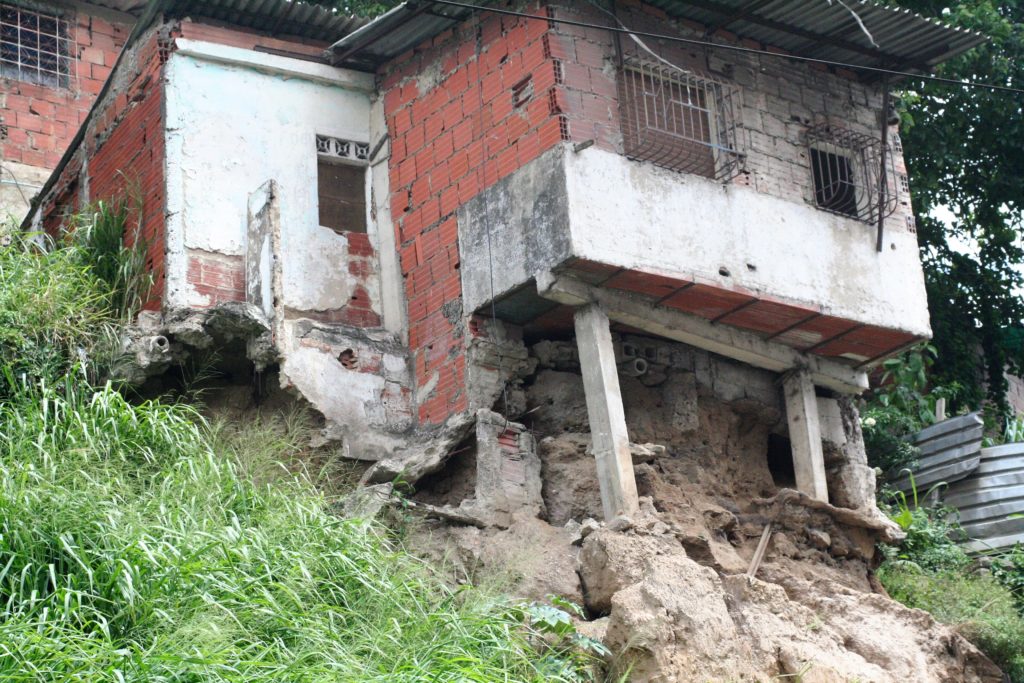
The average monthly wage of all citizens, whether they are school teachers or labourers, doctors or street sweepers, is the same and is standardised by the government. Medical necessities are scarce, and while doctors give prescriptions, patients will often find that the necessary medication is not available in the pharmacy. Poor public transport and lack of finances means that sick people or their carers find it extremely difficult to seek out a pharmacy that may have the required medication.
The political system is heavily weighted in favour of the government. TV and radio channels must be careful what they broadcast; if they make any criticism of the government, they can be shut down without warning. It is difficult for an outsider to understand the political system, but it’s clear that there is no such thing as freedom of speech – something that we would take for granted in any democratic society.
People who can get their hands on financial resources, usually sent from relatives abroad, are doing all they can to leave the country and start a new life elsewhere.”
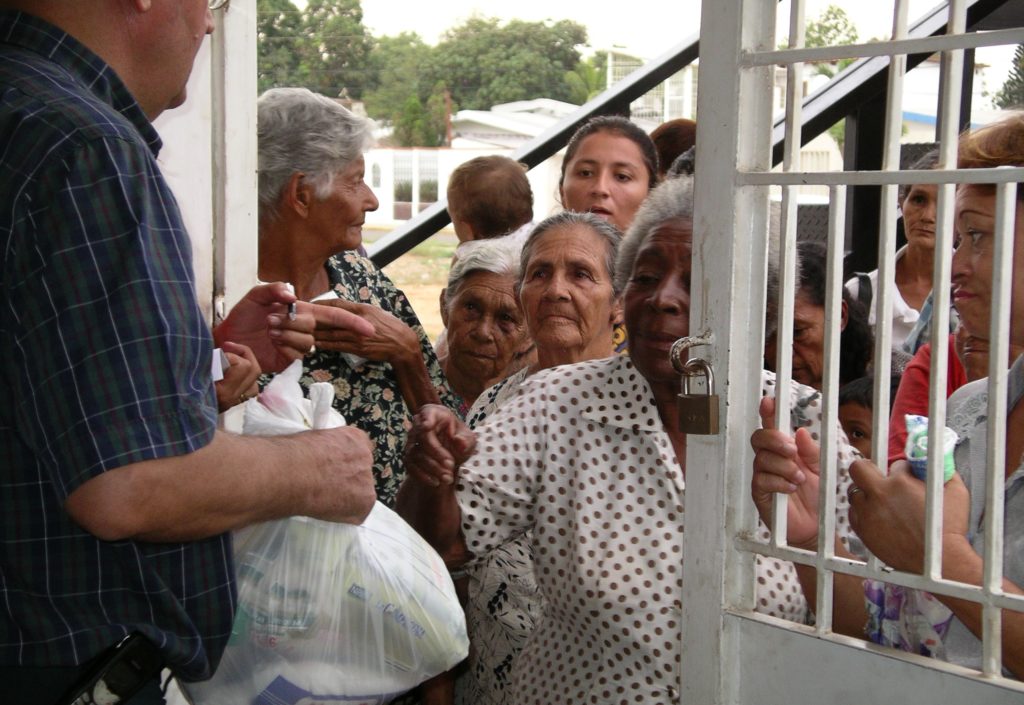
“It was a privilege to celebrate the Golden Jubilee with the faithful.”
“During all of this turmoil, the MSCs working in the region managed to gather and celebrate the Golden Jubilee of the MSC presence in this troubled land. It was a privilege to be with them, and with the faithful people who gathered for the celebrations in Maracaibo and Caracas.
 On behalf of the whole Province, I offer sincere congratulations to our MSC brothers, past and present, who have worked and continue to work in this beautiful but troubled land.”
Fr Joseph McGee MSC
PLEASE HELP US TO CONTINUE OUR VITAL WORK IN VENEZUELA
For more information on the current situation in Venezuela, BBC Radio’s Briefing Room has posted an informative discussion titled “Is Venezuela on the brink of collapse?”. Fr Joseph highly recommends this programme: “This discussion gives a brief and comprehensive understanding of the current situation in Venezuela where our men have been working for these past 50 years, and where they remain in solidarity with the people. This year, as we celebrate the Golden Jubilee of the presence of the Irish Province in that part of the world, I urge everyone to listen to this programme and to keep the Venezuelan situation in your prayers.”
For more about Fr Joseph’s experiences in Maracaibo and Caracas, read The Irish Catholic’s front-page feature on the ongoing work of the Missionaries of the Sacred Heart in Venezuela.
Aug 1, 2017
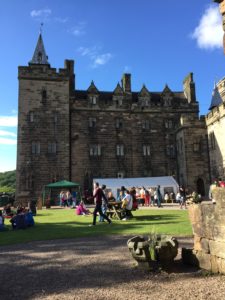
It’s a festival like no other – and it comes with its own castle!
Now going for over 20 years, the Brightlights Festival is an opportunity for young Catholics to come together – to have fun, listen to inspiring and engaging speakers, take part in interesting workshops, and hear some great bands and musical talent. All of this, with awesome times for prayer and encounters with the Sacraments!
The Brightlights Festival is a place where you can discover something more about yourself, others, and God in a safe and relaxed environment; a place where you can experience something of the depth and diversity of the Catholic Church, and share your own faith and experiences with others of the same age-group and outlook.
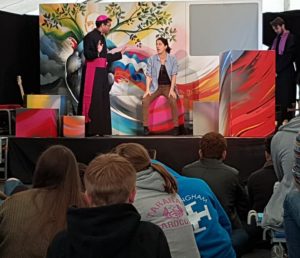
It’s about music, theatre, and dance… but above all, it’s about joy and faith.
Once again, the Missionaries of the Sacred Heart were there with our friends from Birmingham’s Kenelm Youth Trust in Alton Castle. It was a wonderful weekend meeting up with old friends and making new ones. The One Hope Project led the music and RISE Theatre performed their amazing production celebrating the life of Blessed Oscar Romero. (more…)
Jul 31, 2017
Throughout the month of June 2017, the MSC community in Venezuela have joined together in celebration of 50 years of MSC ministry in the region. Since 1967, when four Irish Missionaries of the Sacred Heart began the first MSC mission in Maracaibo, our missionaries have been working to bring hope to local people struggling with extreme poverty and hardship.
On June 10th, 2017, parishioners and MSCs alike gathered to mark the Golden Jubilee of our Venezuelan mission in the parish of Nuestra Senora De La Paz La Victoria. Here, local parishioners were joined by Fr Joseph McGee MSC, members of the MSC community from near and far, and well-wishers from all over the city of Maracaibo.
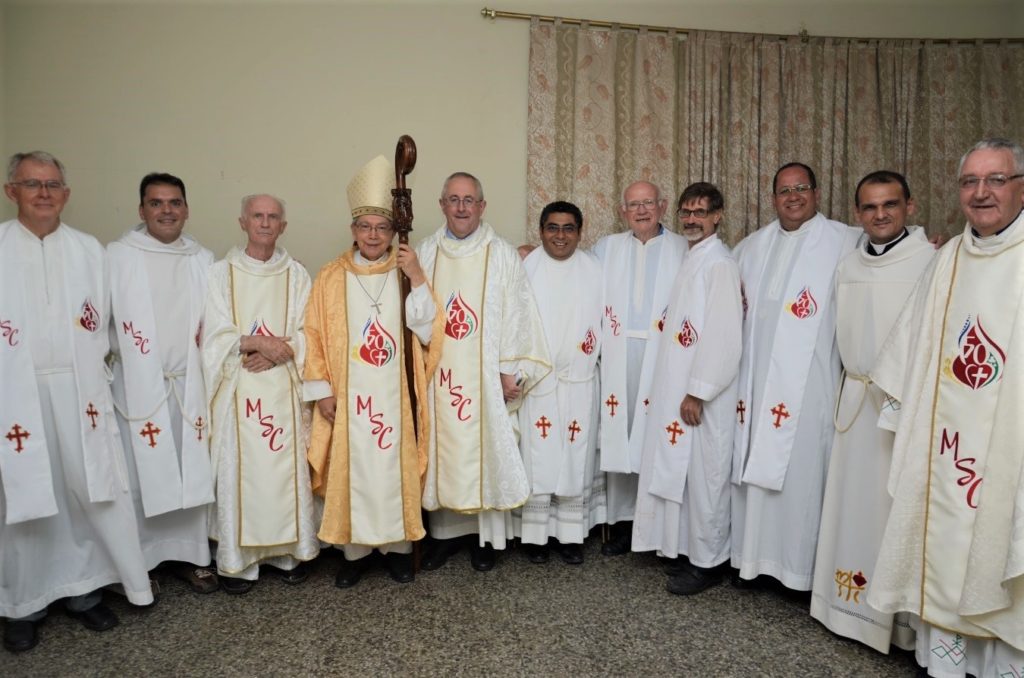
In his homily, which reflected on the mystery of God as it is revealed in the Trinity, Archbishop Ubaldo Santana quoted from Pope Benedict’s writings on Christian hope, Spe Salvi.
“Our encounter with God who in Christ has shown us his face and opened his heart must be, for us too, not just informative but performative,” said Archbishop Santana. In essence, this encounter with Jesus must change our lives so that we know we are redeemed. We are invited into a personal relationship with God, Father, Son, and Spirit – the God who has opened his heart to us in Christ.
Embracing the mission of MSC founder Fr Jules Chevalier
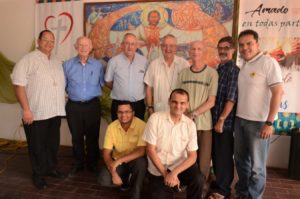 This thought is very close to the spirituality of the Missionaries of the Sacred Heart, who have worked in the diocese for the past 50 years. The Archbishop acknowledged the great efforts that have been made by the MSC over the years – efforts that have required a significant investment of time and financial resources, incorporating the building of churches, educational facilities, and medical centres. In all of these places, reflected the Archbishop, local people have been able to find healing, peace, and dignity as children of God. Giving thanks to the community of the Missionaries of the Sacred Heart, the Archbishop recognised the dedication and perseverance of Irish MSCs since 1967, when they were first invited into the region by Archbishop Roa Perez.
Archbishop Santana also expressed his gratitude that the presence of Irish MSCs has inspired young Venezuelan men to devote themselves to religious life as Missionaries of the Sacred Heart, continuing the great work that has already been done in the region. He noted that the MSC founder, Fr Jules Chevalier, wanted the Sacred Heart of Jesus to be known and loved everywhere, and today, the Missionaries of the Sacred Heart continue to embrace this mission in Venezuela and across the world.
Celebrations in the streets of La Santa Cruz
A second thanksgiving Mass was celebrated by Auxiliary Bishop Monsignor Jesus Gonzales de Zarete on Saturday, June 17th, in the parish of La Santa Cruz, Caracas. To facilitate the crowds in attendance, Mass was celebrated outside the parish church, where the street was closed off for the day. The Bishop reflected that it was very appropriate to celebrate Mass on the street with the people, as the Missionaries of the Sacred Heart are not simply missionaries of the church or the sacristy. Instead, MSCs bring the message of the Gospel to the streets, to the homes and hearts of the people to whom they minister. The celebration of Mass outdoors on the street, welcoming all who wished to take part, perfectly reflected the missionary nature of the work of the MSC.
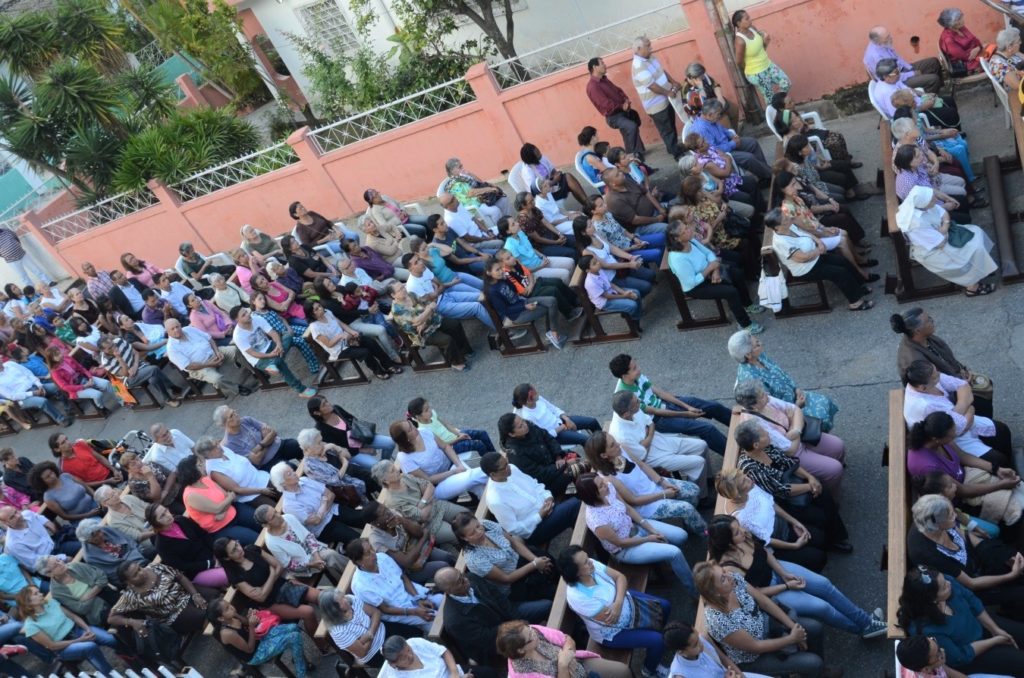
Over the past 50 years, triumphs and achievements have been accompanied by trials and struggles for the MSC community in Venezuela, reflected the Bishop. This MSC mission has not just been about giving; Irish MSCs have walked alongside the people of Maracaibo and Caracas throughout the years, and have been enriched by the spirit of these communities. Though times are still difficult, great improvements have also been made, and MSCs and the local community are encouraged to trust in God’s loving presence as they move forward together.
The Bishop specifically mentioned Fr Joe Ruddy MSC, who was one of the first Irish MSCs to undertake ministry in Venezuela, and who is retiring from the mission this year. When the mission first began, the people of Caracas were in desperate need of help, and many challenges faced Fr Joe and his fellow MSCs. Over the years, Fr Joe has never hesitated to go out into the streets or up to the hills to visit the homes of local people. Fr Joe and his fellow missionaries have never been too proud or too afraid to climb the steps of the barrios of La Santa Cruz to help local people living in the slums. Together, Fr Joe and the Irish MSCs have enabled local people to take pride in their parish as they join together as a community.
Looking to the future
The MSC mission first arrived in Venezuela in 1967, at the invitation of Pope Saint John XXIII and the Vatican Council. 1960’s Venezuela was a very different place from the one it is today – a place that was at the time recognised as “an immigrants’ paradise”. Emigrants came from the United States, Europe, and all over the world. Today, Venezuela is a changed society, one where poverty, hardship, and social and political unrest motivate young Venezuelans to go abroad to create better lives for themselves. During this time of great suffering and uncertainty, the Bishop encouraged the gathered assembly not to lose hope that one day, their country will once again become a place where everyone can find prosperity, peace, and justice.
PLEASE HELP US TO CONTINUE OUR VITAL WORK IN VENEZUELA
Jul 24, 2017
During the summer of 2017, the Missionaries of the Sacred Heart reached out to support students at Berea-Albion Football Club and Academy, South Africa, where disadvantaged youths are given hope and encouragement as they strive for a better future.
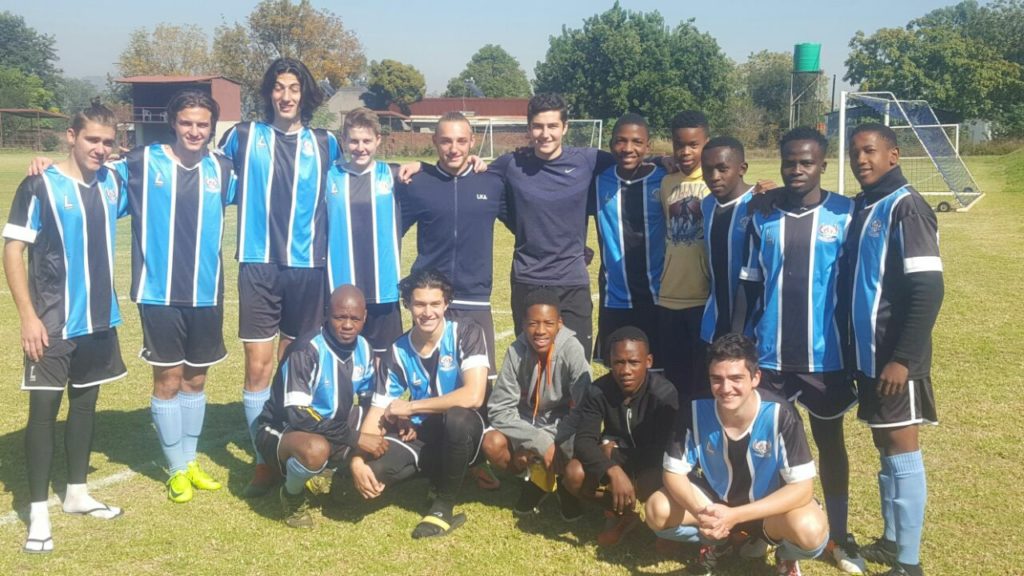
Cougar Park in Pretoria, South Africa, is home to Berea-Albion Football Club and Academy, which was established in 2009 by Stephen Haupt and Neil Bosman.
Students of the academy live in Cougar Park on a full-time basis, where they are entirely devoted to pursuing their dreams of playing football at a professional level while also learning essential social skills and receiving academic tuition. “The majority of disadvantaged youths in our development programmes are orphans, or they come from single parent families,” says co-founder Neil Bosman. “They have struggled with poverty, HIV/AIDS, abuse, alcoholism, and poor educational backgrounds.”
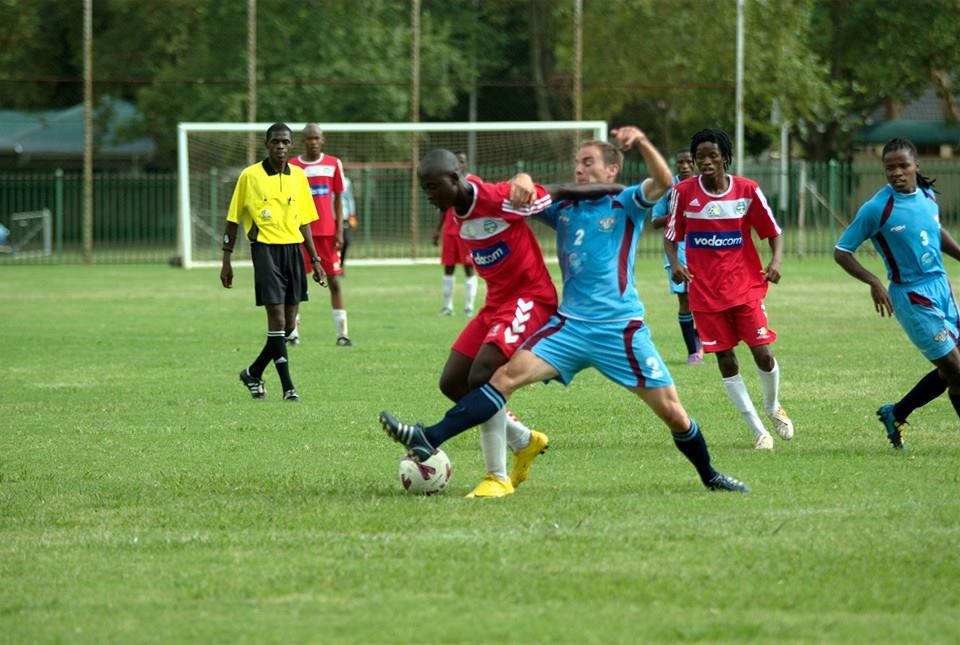
The academy is situated on 4.2 hectares of land in the Magaliesberg Mountains of Pretoria. Here, the rough grassland of the mountainous terrain has been developed to create a working football club and academy where students can fully focus on their studies without the distractions of urban life.
The academy is currently home to 50 students, who share two full-sized playing fields, a small pitch, a gym, a pool, a study centre, and a residential area.
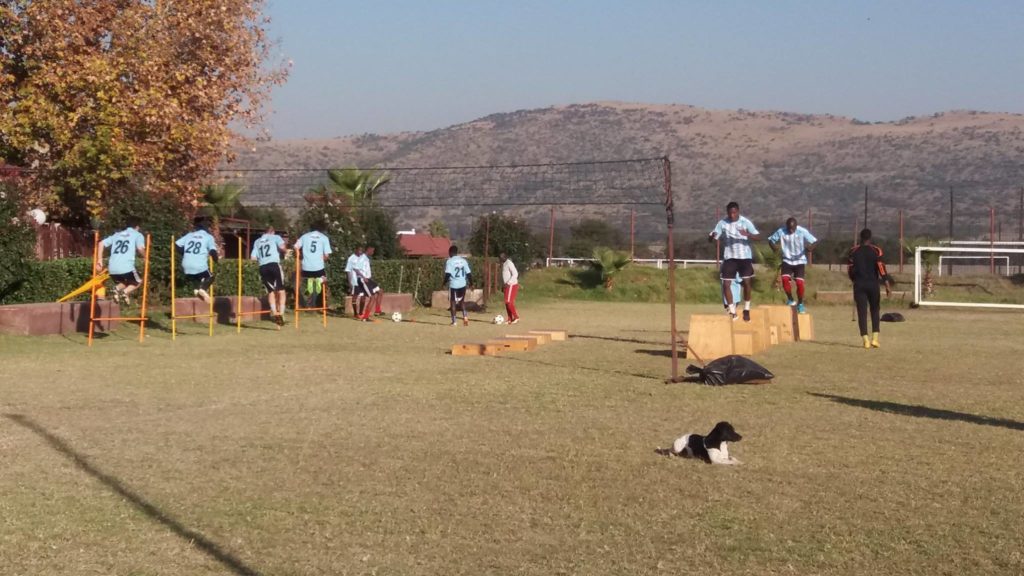
“Excellent preparation for the next step in education, in work, and in life.”
 At Cougar Park, students also attend Bosman College, where the focus is on providing “a sound education base” as well as full professional training in football. The academy aims to promote “a sense of structure that is conducive to diligent and consistent academic performance, while also allowing the necessary flexibility for the training programme”.
The 30-week academic courses are run via the University of Cambridge’s International Examinations programme, which are designed to give each student an “excellent preparation for their next steps in education, in work, and in life”. Students receive support from tutors as they gain experience in practical problem-solving and social skills, while also networking with fellow students from around the world. A trained facilitator oversees the students’ daily progress, and written exams take place at a local accredited exam centre.
“Passio Pro Perfecto”
The academy’s motto is “Passio Pro Perfecto” (a passion for perfection), and the Missionaries of the Sacred Heart are delighted to be able to support both staff and students in their future endeavours as they pursue their passion.
“We sincerely thank you for your generous donation of €10,000, and particularly for your support and interest in our youth development programmes. Your donation is being put to very good use as we make sure that our young footballers are housed, clothed, educated, trained, and nutritiously fed at Cougar Park.”
Neil Bosman, co-founder of Berea-Albion Academy
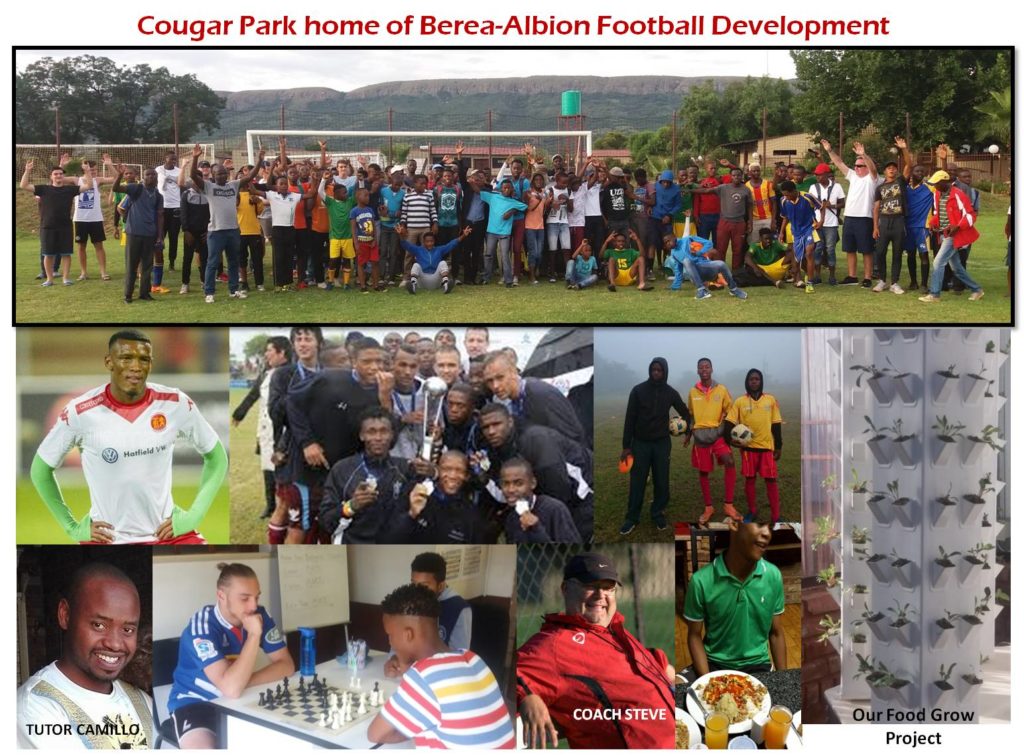
The Berea-Albion Academy Mission
• To provide the best football development programme in South Africa, and to compete with the best internationally.
• To promote skills and expertise locally, and to develop a culture of good sportsmanship, friendship, and hospitality.
• To develop self-belief in our players, and to create a safe and enjoyable environment within a self-sustainable facility.
• To establish a passion for perfection (“Passio Pro Perfecto”).